ROAMOPEDIA
King Sobhuza II Memorial Park
Discover the legacy of King Sobhuza II at Eswatini’s historic memorial park.
“Discover the legacy of King Sobhuza II at Eswatini’s historic memorial park.”
Discover the Rich History of Eswatini at King Sobhuza II Memorial Park in Lobamba

Eswatini, formerly known as Swaziland, is a small landlocked country in Southern Africa. Despite its size, Eswatini is rich in culture and history. Located in the heart of the country, Lobamba is the traditional and spiritual capital of Eswatini. It is home to the King Sobhuza II Memorial Park, a must-visit destination for anyone interested in learning about Eswatini’s history and paying tribute to the nation’s longest-reigning king.

The King Sobhuza II Memorial Park is a beautiful and peaceful park that covers about 12 hectares of land. The park is named after the late King Sobhuza II, who was the longest-reigning monarch in the world. He ruled Eswatini for over 60 years, from 1921 until his death in 1982. The park is a fitting tribute to his legacy and contribution to the country.

One of the park’s most striking features is the statue of King Sobhuza II, which stands at the entrance. It is a beautiful bronze statue that captures the king’s regal demeanor and his love for his people. The statue is a popular spot for visitors to take photos and pay their respects to the king.

The park is also home to the King Sobhuza II Museum, which is dedicated to the king’s life and reign. The museum houses a collection of artifacts, photographs, and documents that showcase the king’s achievements and contribution to Eswatini. Visitors can learn about the king’s early life, his ascension to the throne, and his reign. The museum also has a section dedicated to the king’s family, which includes his wives and children.

Another notable feature of the park is the traditional village, which is a replica of a typical Eswatini homestead. The village is a great place to learn about Eswatini’s culture and way of life. Visitors can see how traditional houses are built, the type of clothing worn by the locals, and the various household items used in their daily lives. The village also hosts cultural performances, where visitors can witness traditional dances and songs.

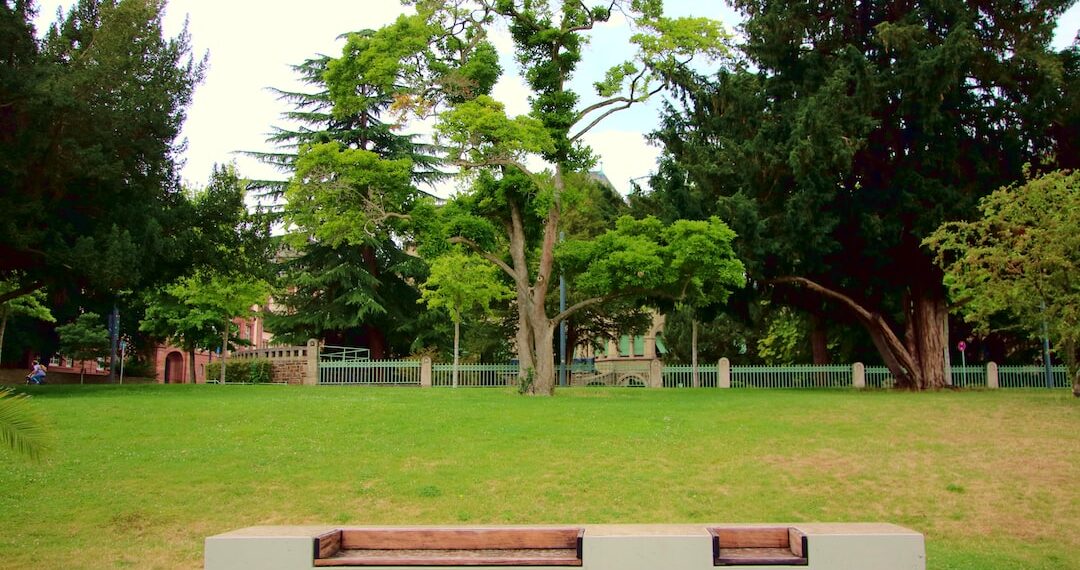
The park’s natural beauty is also a major drawcard. The park is surrounded by lush greenery, and there are several walking trails that visitors can explore. The trails lead to various sections of the park, including the waterfall, the bird sanctuary, and the picnic area. The waterfall, in particular, is a popular spot for visitors to relax and take in the beautiful scenery.

The park’s picnic area is a great place to enjoy a family outing or a romantic picnic. There are several benches and tables scattered around the area, and visitors can enjoy a meal while taking in the park’s natural beauty. The area is also equipped with braai facilities, making it a perfect spot for a traditional South African braai.

Apart from being a popular tourist destination, the King Sobhuza II Memorial Park is also an important historical site. The park is a reminder of the country’s struggle for independence and the role that King Sobhuza II played in achieving it. The king was a visionary leader who fought tirelessly for the rights of his people. His legacy lives on, and his contribution to the country’s history is celebrated every year on his birthday, which is a public holiday.

In conclusion, the King Sobhuza II Memorial Park is a must-visit destination for anyone interested in learning about Eswatini’s history and paying tribute to the nation’s longest-reigning king. The park’s numerous attractions, including the statue of King Sobhuza II, the museum, the traditional village, and the natural beauty of the park, make it a great place to visit. The park is a fitting tribute to the king’s legacy and contribution to the country, and it is a reminder of Eswatini’s struggle for independence. A visit to the park is not just a tourist activity, but a way to connect with Eswatini’s rich history and culture.

  • Print
  • +-
    Font Size