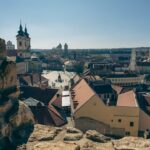
Discover the multicultural heritage of Pécs, Hungary’s hidden gem.
“Discover the multicultural heritage of Pécs, Hungary’s hidden gem.”
Pécs
Hungary is a landlocked country in the heart of Europe, known for its rich cultural heritage and stunning architecture. The city of Pécs is one of the most popular destinations for tourists in Hungary, thanks to its unique blend of cultures and traditions.
Pécs is located in the southern part of Hungary and has a population of around 150,000 people. The city has a rich history that dates back to the Roman times, and it has been home to many different cultures and civilizations over the centuries. This multicultural history is reflected in the city’s architecture, food, and traditions.
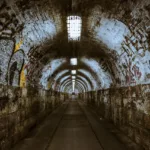
One of the most popular attractions in Pécs is the Early Christian Necropolis, a UNESCO World Heritage Site. This underground burial site is a fascinating glimpse into the early Christian era and features more than 4,000 tombs. The site is located beneath the city’s cathedral, and visitors can take a guided tour to learn more about the history and significance of the Necropolis.
Another must-see attraction in Pécs is the Mosque of Pasha Qasim. This 16th-century mosque is one of the few remaining examples of Ottoman architecture in Hungary and is a testament to the city’s multicultural history. Visitors can explore the mosque and its beautiful courtyard, which features a fountain and a traditional Turkish bath.
For those who love art and culture, Pécs has plenty to offer. The Zsolnay Cultural Quarter is a complex of buildings that includes museums, galleries, and performance spaces. The quarter is named after Vilmos Zsolnay, a famous Hungarian ceramic artist, and features his works as well as those of other artists. The quarter also hosts a variety of cultural events throughout the year, including concerts, theater performances, and art exhibitions.
Foodies will also love Pécs, as the city is known for its delicious cuisine. One of the most popular dishes in Pécs is the fisherman’s soup, a spicy soup made with freshwater fish, paprika, and vegetables. Another local specialty is the chimney cake, a sweet pastry that is cooked over an open flame and topped with cinnamon and sugar.
In addition to its many cultural attractions, Pécs is also a great destination for outdoor enthusiasts. The nearby Mecsek Mountains offer hiking and biking trails, as well as stunning views of the surrounding countryside. The city is also located near several natural hot springs, which are perfect for a relaxing soak after a day of exploring.
Overall, Pécs is a hidden gem in Hungary that is well worth a visit. Its multicultural history, stunning architecture, and delicious cuisine make it a unique and fascinating destination for travelers of all interests. Whether you’re interested in art and culture, outdoor activities, or simply experiencing a new culture, Pécs has something to offer everyone.
Pécs Cathedral, also known as St. Peter’s Basilica, is one of the most iconic landmarks in the city of Pécs, Hungary. This magnificent structure stands tall and proud, showcasing the rich history and culture of the region.
As one of the oldest and most significant churches in Hungary, Pécs Cathedral has a long and fascinating history. It was first built in the 11th century, but was destroyed and rebuilt several times over the centuries due to wars, fires, and other natural disasters.
Today, the cathedral is a stunning example of Romanesque architecture, with its massive stone walls, soaring arches, and intricate carvings. It is also home to a number of important religious artifacts, including a 13th-century wooden statue of the Virgin Mary and a 14th-century altar dedicated to St. Peter.
But Pécs Cathedral is not just a place of worship. It is also a symbol of the city’s multicultural heritage, reflecting the influence of various cultures that have left their mark on Pécs over the centuries.
One of the most notable examples of this multicultural influence is the cathedral’s stunning stained glass windows, which were designed by a Hungarian artist named Miksa Róth in the early 20th century. These windows are a beautiful blend of traditional Hungarian motifs and Art Nouveau style, featuring vibrant colors and intricate patterns that reflect the diverse cultural influences of the region.
Another example of Pécs Cathedral’s multicultural heritage can be seen in the various memorial plaques and statues that adorn its walls and grounds. These include a plaque dedicated to the city’s Jewish community, which was once one of the largest in Hungary before being decimated during the Holocaust, and a statue of the famous Hungarian poet János Arany, who was born in Pécs in the 19th century.
Visitors to Pécs Cathedral can also explore the nearby Bishop’s Palace, which houses a number of interesting exhibits on the history and culture of the region. Here, you can learn about the city’s Roman past, its medieval period, and its role as a cultural center for Hungary and Europe.
Overall, Pécs Cathedral is a must-see attraction for anyone visiting Hungary. Its stunning architecture, rich history, and multicultural heritage make it a true gem of the region, and a testament to the enduring spirit of the Hungarian people. Whether you are a history buff, an art lover, or simply a curious traveler, a visit to Pécs Cathedral is sure to be a memorable and enriching experience.
Early Christian Mausoleum
As one of Hungary’s lesser-known destinations, Pécs is a city rich in history, culture, and diversity. Located in the southern part of the country, Pécs is a multicultural gem that boasts a fascinating blend of Roman, Ottoman, and Hungarian influences. A visit to this city is a journey through the centuries, with its ancient ruins, stunning architecture, and vibrant cultural scene.
One of the city’s most notable landmarks is the Early Christian Mausoleum, a UNESCO World Heritage Site that dates back to the 4th century. This impressive structure is one of the oldest Christian burial grounds in Europe and a testament to the city’s rich history. The mausoleum is located in the heart of Pécs, just a stone’s throw away from the bustling city center.
As you step inside the Early Christian Mausoleum, you’ll be transported back in time to the early days of Christianity. The interior of the mausoleum is adorned with intricate frescoes and mosaics, depicting scenes from the Bible and early Christian life. The most famous of these is the mosaic of the Good Shepherd, which is considered one of the finest examples of early Christian art in Europe.
The mausoleum is also home to numerous sarcophagi, which were used to bury the city’s most prominent citizens. These stone coffins are intricately carved and provide a fascinating insight into the funerary practices of the early Christians. The most notable of these is the sarcophagus of Bishop Janus, which is adorned with intricate carvings and inscriptions.
As you explore the mausoleum, you’ll also discover the remains of an ancient Roman cemetery, which dates back to the 2nd century. These tombs provide a glimpse into the lives of the city’s early inhabitants and are a testament to the city’s rich cultural heritage.
Beyond its historical significance, the Early Christian Mausoleum is also a testament to the city’s commitment to cultural preservation. The site has undergone extensive restoration work over the years, ensuring that it remains a vital part of Pécs’ cultural landscape for generations to come.
In addition to the Early Christian Mausoleum, Pécs is home to a wealth of cultural attractions. The city’s vibrant arts scene is evident in its numerous galleries, museums, and theaters, while its stunning architecture is a testament to its Ottoman and Hungarian influences.
One of the city’s most iconic buildings is the Mosque of Pasha Qasim, which dates back to the 16th century. This stunning structure is a testament to the city’s Ottoman past and is one of the few remaining mosques in Hungary. Today, the mosque serves as a concert hall and cultural center, hosting a wide range of events throughout the year.
Another must-see attraction in Pécs is the Zsolnay Cultural Quarter, a sprawling complex of museums, galleries, and workshops dedicated to the city’s famous Zsolnay ceramics. The quarter is home to some of the city’s most impressive architecture, including the iconic Zsolnay Tower and the ornate Zsolnay Fountain.
As you explore Pécs, you’ll discover a city that is rich in history, culture, and diversity. Its multicultural heritage is evident in its stunning architecture, vibrant arts scene, and fascinating historical landmarks, making it a must-visit destination for anyone interested in Hungary’s rich cultural heritage.
Zsolnay Cultural Quarter
Nestled in the heart of Hungary lies the city of Pécs, a hidden gem that is often overlooked by tourists visiting the country. However, those who take the time to discover this multicultural city will find a wealth of history, culture, and beauty waiting to be explored.
One of the must-see attractions in Pécs is the Zsolnay Cultural Quarter, a vibrant and colorful complex that showcases the city’s rich artistic heritage. The quarter is named after the Zsolnay family, who were famous for their ceramics and played a significant role in Pécs’ cultural development.
At the heart of the Zsolnay Cultural Quarter is the Zsolnay Museum, which houses a vast collection of ceramics and art pieces from the Zsolnay family. The museum is a treasure trove of beautiful and intricate designs, showcasing the family’s creativity and innovation.
Aside from the museum, the Zsolnay Cultural Quarter also features a range of other attractions. Visitors can stroll through the stunning gardens, which are home to a variety of plants and flowers, or explore the various buildings that make up the complex.
One of the standout buildings in the Zsolnay Cultural Quarter is the House of Arts, a striking structure that features a unique blend of Art Nouveau and Secessionist architecture. The building serves as a hub for various cultural activities, including exhibitions, concerts, and theater performances.
Another building worth visiting in the Zsolnay Cultural Quarter is the Planetarium, which offers an immersive and educational experience for visitors of all ages. The Planetarium features a state-of-the-art digital projector that allows visitors to explore the wonders of the universe in stunning detail.
Aside from its cultural offerings, the Zsolnay Cultural Quarter is also a popular destination for foodies. The complex is home to several cafes and restaurants that serve up delicious Hungarian cuisine, including traditional goulash and hearty stews.
For those looking to take home a piece of Pécs’ artistic heritage, the Zsolnay Cultural Quarter is also home to several shops selling handmade ceramics and other crafts. Visitors can browse through a range of unique and beautiful designs, each one a testament to Pécs’ rich artistic tradition.
Overall, the Zsolnay Cultural Quarter is a must-visit destination for anyone traveling to Pécs. Whether you’re a history buff, an art lover, or a foodie, there is something for everyone in this vibrant and colorful complex. So why not take a journey through Hungary’s multicultural gem and discover the wonders of Pécs for yourself?
Mosque of Pasha Qasim
As I walked through the streets of Pécs, I couldn’t help but feel a sense of wonder and excitement. This Hungarian city, located in the southwest of the country, is a true gem of multiculturalism. The city has been inhabited by many different peoples throughout history, including Romans, Ottomans, and Hungarians, and each group has left its mark on the city’s architecture and culture.
One of the most striking examples of this multicultural heritage can be found in the Mosque of Pasha Qasim, located in the heart of Pécs. This mosque, which was built in the 16th century during the Ottoman occupation of Hungary, is a testament to the city’s rich history and the diverse cultures that have coexisted here over the centuries.
As I approached the mosque, I was struck by its imposing size and grandeur. The exterior of the building is made of red brick and features intricate carvings and decorations that are typical of Ottoman architecture. The mosque’s minaret, which towers over the surrounding buildings, is particularly impressive and serves as a reminder of the building’s religious significance.
Upon entering the mosque, I was immediately struck by the beauty and serenity of the interior. The walls of the mosque are covered in intricate tilework and calligraphy, while the high ceilings are adorned with delicate patterns and designs. The prayer hall, which is the central space of the mosque, is particularly impressive, with its large dome and rows of prayer mats.
One of the most interesting aspects of the Mosque of Pasha Qasim is its history. The mosque was originally built by the Ottoman governor of Pécs, Pasha Qasim, in the 16th century as a symbol of Ottoman power and influence in the region. At the time, Pécs was an important city in the Ottoman Empire, and the mosque served as a center of religious and cultural life for the city’s Muslim population.
However, after the Ottoman Empire was defeated in the late 17th century, the mosque fell into disrepair and was eventually converted into a Catholic church. It wasn’t until the 20th century that the building was restored to its original purpose as a mosque, and today it serves as an important symbol of Hungary’s multicultural heritage and religious tolerance.
As I explored the mosque further, I couldn’t help but be struck by the sense of peace and tranquility that permeated the space. Despite its long and complex history, the Mosque of Pasha Qasim remains a place of spiritual significance and cultural significance, a testament to the enduring power of faith and the importance of preserving our shared cultural heritage.
discovering Pécs and its rich multicultural heritage was a truly unforgettable experience. The Mosque of Pasha Qasim, with its impressive architecture, intricate tilework, and fascinating history, is just one of the many treasures that this city has to offer. Whether you’re a history buff, a lover of architecture, or simply someone who appreciates the beauty of different cultures coming together, Pécs is a must-see destination that is sure to leave a lasting impression.
Pécs Zoo
Nestled in the southwestern corner of Hungary, lies Pécs, a city steeped in history, culture, and multiculturalism. The city is a melting pot of different nationalities, and this diversity is reflected in its architecture, cuisine, and way of life. Pécs has been inhabited since ancient times, and its rich history is evident in its many monuments, museums, and archaeological sites.
One of the most popular attractions in Pécs is the Pécs Zoo. The zoo is located in the foothills of the Mecsek Mountains and is home to over 500 animals from 140 different species. The zoo is spread over an area of 11 hectares, and visitors can explore the various habitats and ecosystems that are home to these animals.
One of the highlights of the zoo is its collection of big cats. Visitors can see lions, tigers, leopards, and cheetahs up close and learn about their habitats, behaviors, and conservation efforts. The zoo also has a large collection of primates, including lemurs, gibbons, and monkeys. Visitors can observe these fascinating creatures as they play, feed, and interact with each other.
Another popular attraction at the Pécs Zoo is the bird collection. The zoo has a large aviary that is home to over 70 different species of birds from around the world. Visitors can see colorful parrots, majestic eagles, and graceful swans as they fly, feed, and nest in their natural habitats.
The zoo also has a reptile house, where visitors can see snakes, lizards, and turtles from different parts of the world. The reptile house is home to over 50 different species, and visitors can learn about their unique adaptations, behaviors, and habitats.
Apart from the animal exhibits, the Pécs Zoo also has a playground, a petting zoo, and a picnic area. Visitors can relax and enjoy the beautiful surroundings while their children play and interact with the friendly animals.
The Pécs Zoo is not only a place for entertainment and education but also a hub for conservation efforts. The zoo is involved in various breeding and conservation programs aimed at protecting endangered species and preserving their natural habitats. The zoo also conducts research and education programs to raise awareness about the importance of biodiversity and wildlife conservation.
the Pécs Zoo is a must-visit destination for anyone traveling to Hungary. The zoo offers a unique opportunity to explore different habitats and ecosystems and see a diverse range of animals up close. Visitors can also learn about conservation efforts and the importance of biodiversity in our world. So, pack your bags and embark on a journey through Hungary’s multicultural gem, Pécs, and discover the wonders of the Pécs Zoo.
Király Street
Hungary is a country known for its rich history, stunning architecture, and delicious cuisine. One city that embodies all of these elements is Pécs. Located in the south-western part of the country, Pécs is a multicultural gem that has been shaped by centuries of history.
One of the best places to start your journey through Pécs is Király Street. This historic street is lined with beautiful buildings that showcase the city’s unique architectural style. As you walk down the street, you’ll notice the mix of Baroque, Art Nouveau, and Ottoman architecture that makes Pécs so special.
One of the most impressive buildings on Király Street is the Mosque Church. This building was originally a mosque during the Ottoman period and was later converted into a church. The Mosque Church is a perfect example of Pécs’s multicultural heritage. The building’s exterior features Islamic architectural elements, while the interior is decorated with Christian symbols.
Another must-see attraction on Király Street is the Zsolnay Cultural Quarter. This complex of buildings was once the site of the Zsolnay Porcelain Factory, which was one of the most important ceramic manufacturers in Europe during the 19th and 20th centuries. Today, the Zsolnay Cultural Quarter is home to a museum, art galleries, and a cultural center that hosts concerts and other events.
One of the most unique aspects of Pécs is its underground world. The city has a series of underground tunnels and caves that were used for various purposes throughout history. One of the most fascinating underground attractions is the Early Christian Necropolis. This underground cemetery dates back to the 4th century and is a UNESCO World Heritage Site. The necropolis is home to over 4,000 tombs and is a testament to Pécs’s rich history.
For those who love food, Pécs is a culinary paradise. The city is known for its hearty Hungarian dishes, such as goulash and chimney cake. However, Pécs also has a thriving café culture. One of the best places to experience this is the Király Café. This cozy café has a charming atmosphere and serves up delicious coffee and pastries.
If you’re looking for a unique shopping experience, Pécs has you covered. The city has a number of markets and boutiques that offer handmade crafts, clothing, and souvenirs. One of the best places to shop is the Pécs Farmers’ Market. This market is held every Saturday and is a great place to sample local produce and homemade goods.
Finally, no trip to Pécs would be complete without a visit to the Pécs Cathedral. This stunning cathedral is one of the most important landmarks in the city. It features a mix of Gothic, Renaissance, and Baroque architecture and is home to a number of impressive works of art.
Pécs is a city that offers a unique blend of history, culture, and cuisine. Whether you’re interested in exploring its underground world, sampling its delicious food, or admiring its stunning architecture, Pécs has something for everyone. So, if you’re planning a trip to Hungary, be sure to add Pécs to your itinerary.
Szechenyi Square
Pécs is a city in the southern part of Hungary that is often overlooked by tourists. However, those who do take the time to explore the city will find a multicultural gem that is rich in history, art, and architecture. One of the best places to start your journey through Pécs is Szechenyi Square.
Szechenyi Square is the heart of Pécs and is surrounded by some of the city’s most important landmarks. The square is named after István Szechenyi, a Hungarian politician and writer who played a significant role in the country’s development during the 19th century. At the center of the square is a statue of Szechenyi that was erected in 1904.
One of the most impressive buildings on Szechenyi Square is the Mosque of Pasha Qasim, which was built in the 16th century during the Ottoman occupation of Hungary. The mosque was converted into a church after the Ottomans were expelled from Hungary, and today it is known as the Church of the Blessed Virgin Mary. The church’s minaret is still intact and can be climbed for a stunning view of the city.
Another notable building on Szechenyi Square is the Pécs National Theatre, which was built in 1895 in the Art Nouveau style. The theatre was designed by the Hungarian architect Marcell Komor and is considered one of his most important works. The theatre hosts a variety of performances throughout the year, including plays, operas, and ballets.
Next to the theatre is the Zsolnay Cultural Quarter, which is home to the Zsolnay Porcelain Museum and the Zsolnay Factory. The Zsolnay family was one of the most prominent porcelain manufacturers in Hungary during the 19th and 20th centuries, and their products are still highly sought after today. The museum showcases some of the family’s most beautiful and intricate pieces, while the factory continues to produce porcelain using the same techniques that were developed over a century ago.
If you’re looking for a place to relax and enjoy some Hungarian cuisine, Szechenyi Square has plenty of options. The square is surrounded by cafes and restaurants that serve traditional Hungarian dishes like goulash, paprikash, and chimney cake. One of the best places to try these dishes is the Kollarics Bakery, which has been in business since 1855 and is known for its delicious pastries and cakes.
In addition to its historical and cultural significance, Szechenyi Square is also a popular spot for events and festivals. The square hosts a variety of events throughout the year, including the Pécs International Dance Festival, the Pécs Wine Festival, and the Pécs Christmas Market. These events are a great way to experience Hungarian culture and meet locals who are passionate about their city.
Overall, Szechenyi Square is a must-visit destination for anyone who is interested in exploring Pécs and discovering its rich history and culture. Whether you’re interested in art, architecture, or cuisine, there is something for everyone on this vibrant and multicultural square. So, take a stroll through Szechenyi Square and immerse yourself in the beauty and diversity of Pécs.