Health concerns and necessary vaccinations for travel to Hungary.

Related
All related contents.
Related Posts

Discover the untamed beauty of Hungary’s Hortobágy National Park

Experience the grandeur of Hungarian arts at the iconic Hungarian State Opera House in Budapest.

Discover the beauty of Hungary’s Votive Church of Szeged and its iconic Dome.

Experience the grandeur of Budapest with Chain Bridge’s breathtaking views.

Discover the multicultural heritage of Pécs, Hungary’s hidden gem.
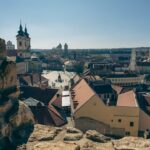
Discover the medieval charm of Eger Castle and the rich history of Hungary.

Fisherman’s Bastion: A magical vantage point showcasing Budapest’s enchanting beauty in the heart of the historic Castle District.

Experience Hungary’s legacy at Heroes’ Square, Budapest.

Discover the rich history and stunning architecture of Pécs Cathedral in Hungary.

Discover the beauty and history of Hungary’s Keszthely on the shores of Lake Balaton.

Step back in time at Visegrád Royal Palace and witness the grandeur of Hungary’s royal past amidst breathtaking Danube Bend scenery.

Discover the beauty of Budapest from above at Gellért Hill.

Discover the vibrant culture and stunning architecture of Szeged, Hungary’s City of Sunshine.

Discover the vibrant charm of Siófok, Hungary’s ultimate summer destination on Lake Balaton.

Step into the rich history of Hungarian Protestantism at the Great Reformed Church in Debrecen.

Experience the beauty and history of Tihany, Hungary’s hidden gem on the shores of Lake Balaton.

Discover the charm of Eger, Hungary’s historical gem.

Experience the medieval charm and fine wines of Sopron, Hungary.

Experience the beauty of Hungary in Győr – where history and modernity meet.

Discover the beauty of Hungary’s rich history at St. Stephen’s Basilica.
Discover the heart of Europe in Hungary – where history, culture, and natural beauty meet.

Discover the rich history and art of Hungary’s Buda Castle.

Discover the beauty of Hungary’s Lake Balaton, where relaxation meets adventure in Keszthely and its charming towns.

Discover the grandeur of Hungary’s Parliament Building in Budapest.

Discover the beauty and history of Budapest, Hungary’s dynamic capital city.