Malta’s internet connectivity is reliable and widespread, making it easy to stay connected while exploring the island. Getting a local SIM card is recommended for those who need constant access to data.

Related
All related contents.
Related Posts
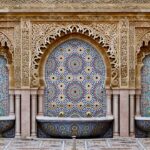
Discover Malta’s rich history and culture in charming Rabat.

Malta: A Mediterranean Paradise

Discover the charm of traditional fishing and savory seafood in Marsaxlokk, Malta.

Experience the perfect blend of entertainment, relaxation, and gastronomy in St. Julian’s, Malta’s vibrant seaside destination.

Upper Barrakka Gardens: Where beauty meets history in Valletta, Malta.

Discover paradise on earth at Malta’s hidden gem, Comino Island.

Discover the perfect blend of old-world charm and modern amenities in Sliema, Malta’s coastal gem.

Discover the breathtaking beauty of Malta’s Gozo and capture the perfect shot at the Azure Window.
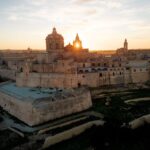
Experience the enchanting beauty of Mdina’s medieval charm.

Discover the spiritual beauty of Ta’ Pinu Basilica in Gozo, Malta.

Discover the ancient wonders of Malta’s Ggantija Temples in Gozo.

Discover the charm of Malta’s Marsaxlokk Fishing Village – where the sea meets the land in a burst of colors and flavors.

Step into the grandeur of Malta’s past at Casa Rocca Piccola.

Discover Malta’s Ancient Past at the National Museum of Archaeology in Valletta.

Discover the beauty and history of Malta at St. John’s Co-Cathedral in Valletta.

Step back in time and discover the magic of Malta’s Silent City, Mdina.

Discover the beauty of Sliema Promenade in Malta.

Experience the grandeur of the past at Manoel Theatre in Valletta, Malta.

Discover the rich history and breathtaking views of Valletta at Fort St. Elmo.

Discover the beauty of Xlendi Bay in Gozo, Malta – Your ultimate aquatic adventure awaits!

Discover the beauty and history of Valletta, Malta’s capital city.

.Discover the rustic beauty and rich history of Malta’s sister island – Gozo.

Discover Malta’s rich history at Grandmaster’s Palace in Valletta.
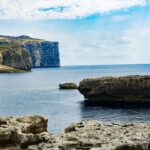
Discover the natural beauty of Malta’s Gozo and Dwejra Bay.