“Discover Malta: Unveil Timeless Wonders, Vibrant Festivities, and Enchanting Landscapes”
Exploring Malta’s Top Attractions: Historical Sites, National Parks, and More
Nestled in the heart of the Mediterranean, Malta is a small archipelago that boasts a rich history, stunning landscapes, and a vibrant culture. With its unique blend of ancient and modern attractions, Malta offers something for everyone, from history buffs to nature lovers and adventure seekers. As you embark on your journey to explore Malta’s top attractions, prepare to be captivated by the island’s charm and beauty.
One of the most iconic historical sites in Malta is the ancient city of Mdina. Known as the “Silent City,” Mdina is a fortified city that dates back more than 4,000 years. Walking through its narrow, winding streets, you’ll feel as though you’ve stepped back in time. The city’s impressive architecture, including the Baroque-style St. Paul’s Cathedral and the medieval Palazzo Falson, is a testament to Malta’s rich history and diverse cultural influences.
Another must-visit historical site is the Ħal Saflieni Hypogeum, a subterranean complex that dates back to around 4000 BC. This UNESCO World Heritage site is an architectural marvel, with its intricate network of chambers and passages carved out of the limestone rock. The Hypogeum is believed to have been used as both a burial site and a sanctuary, and its walls are adorned with fascinating prehistoric art.
For those interested in Malta’s military history, the island of Gozo is home to the imposing Ġgantija Temples. These megalithic structures, which are older than the Egyptian pyramids, were built around 3600 BC and are among the oldest free-standing structures in the world. The temples’ massive stone blocks, some weighing more than 50 tons, are a testament to the ingenuity and skill of their ancient builders.
In addition to its historical sites, Malta is also home to several national parks and nature reserves that showcase the island’s diverse landscapes and ecosystems. One such park is the Majjistral Nature and History Park, located on the northwestern coast of Malta. This park, which spans over 6 square kilometers, is home to a variety of habitats, including coastal cliffs, sand dunes, and garigue. Visitors can explore the park’s many walking trails, which offer stunning views of the Mediterranean Sea and the surrounding countryside.
Another popular nature reserve in Malta is the Salina National Park, which is known for its salt pans that date back to the Roman period. The park is an important habitat for migratory birds, including flamingos and herons, making it a popular destination for birdwatching enthusiasts. The park also features a visitor center, where you can learn about the history of salt production in Malta and the park’s conservation efforts.
For those looking to experience Malta’s vibrant culture, the island hosts numerous festivals and events throughout the year. One such event is the Malta International Fireworks Festival, which takes place annually in April. This spectacular event showcases the talents of local and international fireworks manufacturers, with dazzling displays lighting up the night sky over the historic Grand Harbour in Valletta.
Another popular cultural event in Malta is the annual Carnival, which takes place in February. This lively celebration features colorful parades, elaborate costumes, and traditional music and dance performances. The festivities culminate in a grand parade through the streets of Valletta, with participants competing for the coveted title of “King Carnival.”
Malta’s rich history is also on display in its many museums and galleries. The National Museum of Archaeology in Valletta houses a vast collection of artifacts that span the island’s history, from the prehistoric era to the present day. Highlights of the museum include the “Sleeping Lady” figurine, which dates back to the Neolithic period, and the Phoenician sarcophagus, which is one of the few examples of Phoenician funerary art found outside of Lebanon.
For art enthusiasts, the St. John’s Co-Cathedral in Valletta is a must-visit destination. This Baroque masterpiece, which was built in the 16th century, is home to an impressive collection of art, including works by Caravaggio and Mattia Preti. The cathedral’s ornate interior, with its gilded vaults and intricate marble floor, is a stunning example of Baroque art and architecture.
Finally, no visit to Malta would be complete without exploring its breathtaking coastline and crystal-clear waters. The Blue Grotto, a series of caves on the island’s southern coast, is a popular destination for boat tours and snorkeling. The caves’ azure waters and dramatic rock formations make for a truly unforgettable experience.
For a more adventurous coastal experience, consider taking a guided sea kayaking tour around the Maltese islands. Paddling along the rugged coastline, you’ll have the opportunity to explore hidden coves, sea caves, and secluded beaches that are inaccessible by land.
As you explore Malta’s top attractions, you’ll quickly discover that this small island nation has much to offer. From its ancient historical sites and stunning national parks to its vibrant festivals and world-class museums, Malta is a destination that will captivate and inspire you at every turn.


Related
All related contents.
Related Posts

Upper Barrakka Gardens: Where beauty meets history in Valletta, Malta.

Discover the charm of traditional fishing and savory seafood in Marsaxlokk, Malta.

Discover Malta’s rich history at Grandmaster’s Palace in Valletta.

Step into the grandeur of Malta’s past at Casa Rocca Piccola.

Discover the spiritual beauty of Ta’ Pinu Basilica in Gozo, Malta.

Discover the natural beauty of Malta’s Gozo and Dwejra Bay.

Discover the breathtaking beauty of Malta’s Gozo and capture the perfect shot at the Azure Window.

Discover the ancient wonders of Malta’s Ggantija Temples in Gozo.

Discover the beauty and history of Malta at St. John’s Co-Cathedral in Valletta.

Discover the beauty of Sliema Promenade in Malta.
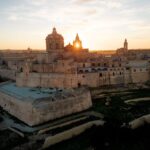
Experience the enchanting beauty of Mdina’s medieval charm.
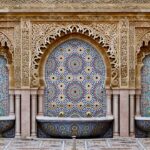
Discover Malta’s rich history and culture in charming Rabat.

Experience the perfect blend of entertainment, relaxation, and gastronomy in St. Julian’s, Malta’s vibrant seaside destination.

Discover the charm of Malta’s Marsaxlokk Fishing Village – where the sea meets the land in a burst of colors and flavors.

Experience the grandeur of the past at Manoel Theatre in Valletta, Malta.

Discover the beauty and history of Valletta, Malta’s capital city.

Step back in time and discover the magic of Malta’s Silent City, Mdina.

.Discover the rustic beauty and rich history of Malta’s sister island – Gozo.

Discover paradise on earth at Malta’s hidden gem, Comino Island.

Discover Malta’s Ancient Past at the National Museum of Archaeology in Valletta.

Discover the perfect blend of old-world charm and modern amenities in Sliema, Malta’s coastal gem.

Malta: A Mediterranean Paradise

Discover the beauty of Xlendi Bay in Gozo, Malta – Your ultimate aquatic adventure awaits!

Discover the rich history and breathtaking views of Valletta at Fort St. Elmo.