ROAMOPEDIA
Mozambique's Culture
Exploring Mozambique: Understanding the Traditions, Customs, Language, and Etiquette for a Richer Travel Experience
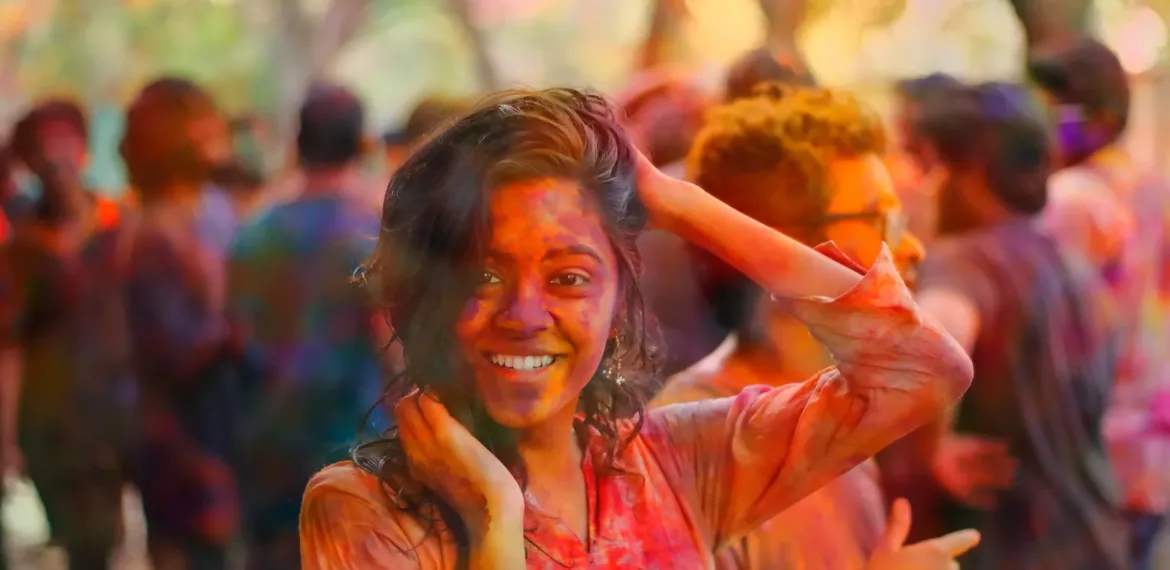
smiling woman holding her head and hair during daytime
“Discover Mozambique’s rich cultural tapestry and avoid cultural missteps during your travels.”
Exploring Mozambique: Understanding the Traditions, Customs, Language, and Etiquette for a Richer Travel Experience

Mozambique is a country located in southeastern Africa, bordered by Tanzania to the north, Malawi, Zambia, and Zimbabwe to the west, South Africa and Eswatini to the south, and the Indian Ocean to the east. The country is known for its stunning beaches, rich history, and diverse culture. Understanding the traditions, customs, language, and etiquette of Mozambique can help travelers have a more enriching experience and avoid any cultural faux pas.

One of the most important aspects of Mozambican culture is family. Family is highly valued, and it is not uncommon for extended family members to live together in the same household. Respect for elders is also an important part of Mozambican culture. It is customary to greet elders with a handshake or a bow, and to use formal titles such as “senhor” or “senhora” when addressing them.

Another important aspect of Mozambican culture is religion. The majority of the population is Christian, with a significant Muslim minority. It is important to be respectful of religious customs and practices, such as covering one’s head and removing shoes when entering a mosque.

Language is also an important part of Mozambican culture. The official language is Portuguese, which is spoken by the majority of the population. However, there are also many other languages spoken throughout the country, including Swahili, Makhuwa, and Sena. Learning a few basic phrases in the local language can go a long way in showing respect for the culture and building connections with locals.

When it comes to etiquette, there are a few things to keep in mind when traveling in Mozambique. Dress modestly, especially when visiting religious sites or rural areas. It is also important to be aware of local customs and traditions, such as not using the left hand to eat or greet others, as it is considered impolite. Tipping is not expected in Mozambique, but it is appreciated for exceptional service.

Food is an important part of Mozambican culture, and the cuisine is a blend of African, Portuguese, and Indian influences. Seafood is a staple, and dishes such as grilled prawns and fish stew are popular. It is also common to eat with your hands, using bread or cassava to scoop up food. Sharing food is a common practice, and it is considered impolite to refuse an offer of food or drink.

Music and dance are also an important part of Mozambican culture. Traditional music is often played on instruments such as the marimba and the mbira, and dance is a way to celebrate important events and milestones. Visitors may have the opportunity to see traditional dance performances or attend music festivals during their travels.

Mozambique has a rich history, and there are many cultural sites and landmarks to explore. The Island of Mozambique, a UNESCO World Heritage Site, is home to many historic buildings and landmarks, including the Chapel of Nossa Senhora de Baluarte, the oldest European building in the southern hemisphere. The Fort of São Sebastião, built by the Portuguese in the 16th century, is another important cultural site.

In addition to cultural sites, Mozambique is also known for its stunning natural beauty. The Bazaruto Archipelago, a group of islands off the coast of Mozambique, is home to some of the country’s most beautiful beaches and coral reefs. The Gorongosa National Park, located in central Mozambique, is home to a diverse range of wildlife, including lions, elephants, and hippos.

In conclusion, understanding the traditions, customs, language, and etiquette of Mozambique can help travelers have a more enriching experience and avoid any cultural faux pas. Family, religion, language, and food are all important aspects of Mozambican culture, and visitors should be respectful of local customs and traditions. Mozambique has a rich history and stunning natural beauty, and there are many cultural sites and landmarks to explore. By taking the time to learn about the culture and customs of Mozambique, travelers can have a more meaningful and enjoyable experience.

  • Print
  • +-
    Font Size