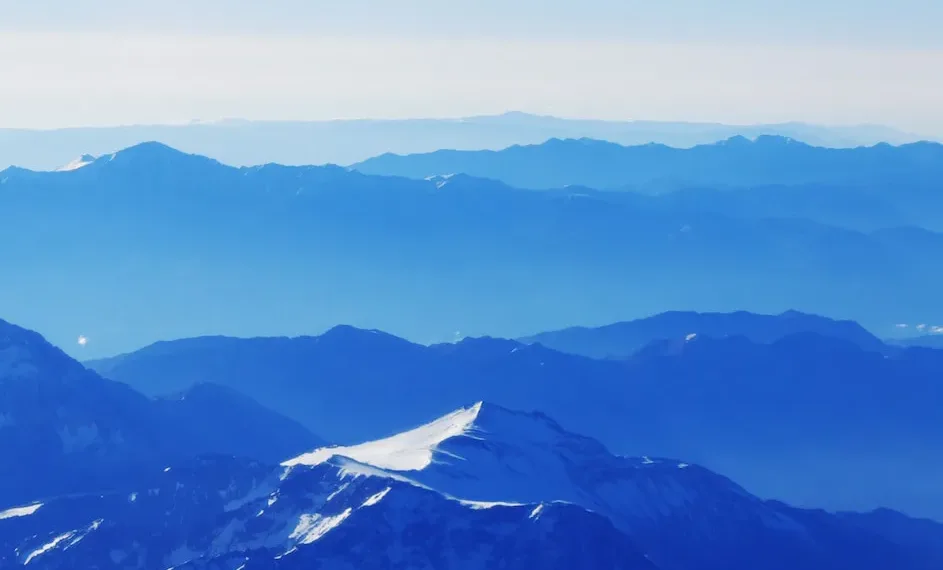
Mozambique: A diverse landscape with mountains, beaches, forests, and wildlife, offering endless opportunities for adventure.
Related
All related contents.
Related Posts

Explore the cultural and natural wonders of Ilha de Moçambique, a hidden gem in Mozambique.

Experience the vibrant culture and flavors of Mozambique at Maputo Central Market.

Discover paradise at Tofo Tofo in Mozambique – where the ocean meets the shore.

Discover the natural beauty of Mozambique’s Chimanimani Mountains.

Explore Mozambique’s rich history at Fortaleza of Maputo.
Discover the vibrant culture and breathtaking beauty of Nampula, Mozambique.

Discover the vibrant culture and stunning scenery of Beira, Mozambique.

Discover paradise at Ponta do Ouro Beach in Mozambique.

Discover the untamed beauty of Gorongosa National Park in Mozambique.
Tagline: Discover the vibrant culture and stunning architecture of Maputo, Mozambique.

Discover the beauty and culture of Mozambique at Pemba – your ultimate coastal getaway.

Discover the charm of Inhambane – where history, culture, and nature intertwine.

Discover paradise on earth in Mozambique’s Vilanculos and Bazaruto Archipelago.

Discover the historic charm of Ilha de Moçambique – a UNESCO World Heritage site.

Discover Mozambique’s hidden gem at Pemba and Quirimbas Archipelago.
Discover paradise at Tofo Beach in Mozambique.

Discover paradise on earth at Mozambique’s Quirimbas Archipelago.
Discover the natural wonders of Gorongosa, Mozambique’s hidden gem.
Escape to Mozambique: A Showcase of Must-See Travel
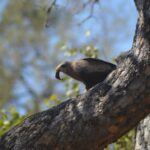
Discover the untamed beauty of Mozambique’s Limpopo National Park.

Step back in time at Maputo Railway Station, a true architectural gem of Mozambique.

Discover the beauty and history of Inhambane, Mozambique’s charming coastal gem.
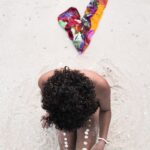
Discover the beauty of Mozambique’s Vilankulo – a coastal paradise with endless adventures to explore!
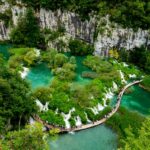
Discover the tranquility of Bilene Lagoon in Mozambique – the ultimate destination for water activities and beach relaxation.