ROAMOPEDIA
Longyearbyen
Discover the wonders of the Arctic in Longyearbyen, Norway’s northernmost town.
“Discover the wonders of the Arctic in Longyearbyen, Norway’s northernmost town.”

Longyearbyen

Longyearbyen is a small town situated in the northern part of Norway. It is the largest settlement in Svalbard, an archipelago located in the Arctic Ocean. This town is known for its unique and breathtaking natural scenery, as well as its rich history. There are many things to discover in Longyearbyen, and it is a popular destination for adventurers and nature lovers.

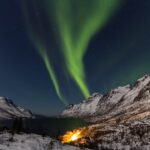
One of the most exciting things about Longyearbyen is the chance to witness the Northern Lights, also known as Aurora Borealis. This natural phenomenon occurs when charged particles from the sun collide with the Earth’s atmosphere, creating a beautiful display of colorful lights. Longyearbyen is one of the best places in the world to see the Northern Lights due to its location in the Arctic Circle. Visitors can take a guided tour to see the lights, or they can simply step outside on a clear night and hope for the best.

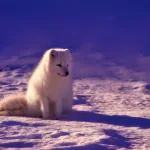
Another highlight of Longyearbyen is its wildlife. The town is home to a variety of Arctic animals, including polar bears, reindeer, and Arctic foxes. Visitors can take a guided tour to see these animals in their natural habitat, or they can explore on their own. However, it is important to remember that these animals are wild and should be observed from a safe distance.

Longyearbyen is also home to some fascinating historical sites. The town was founded in 1906 by an American industrialist named John Munroe Longyear, who established a coal mining operation there. The town grew rapidly, and by the 1920s, it had become a major center for coal mining in the Arctic. Today, visitors can explore the abandoned mining sites and learn about the history of the town.

One of the most unique things about Longyearbyen is its polar night. During the winter months, the town experiences complete darkness for several weeks. This phenomenon is caused by the tilt of the Earth’s axis, which causes the sun to remain below the horizon. Despite the darkness, there are still plenty of things to do in Longyearbyen during the polar night. Visitors can take a dog sledding tour, go snowmobiling, or simply enjoy the peacefulness of the town.

Longyearbyen is also a great place for outdoor activities. The town is surrounded by stunning natural scenery, including glaciers, mountains, and fjords. Visitors can go hiking, kayaking, or take a boat tour to explore the area. There are also several ski resorts in the area, making Longyearbyen a popular destination for winter sports enthusiasts.

Overall, Longyearbyen is a fascinating and unique destination that offers something for everyone. Whether you are interested in history, wildlife, or outdoor activities, there is plenty to discover in this Arctic wonderland. With its stunning natural scenery and rich cultural heritage, Longyearbyen is a destination that should not be missed.

Svalbard Museum

Longyearbyen is a small town located in the Svalbard archipelago, Norway. It is a unique place, surrounded by stunning Arctic landscapes, rugged mountains, and glaciers. The town is also home to the Svalbard Museum, where visitors can discover the fascinating history of the region and learn about its wildlife and natural wonders.

The Svalbard Museum is a must-visit for anyone interested in Arctic exploration and the history of the region. The museum showcases the unique cultural and natural heritage of Svalbard, which dates back to the 17th century when Dutch whalers first arrived in the archipelago. The museum’s exhibits include artifacts and photographs from the early whaling industry, as well as the history of coal mining in the region, which started in the late 19th century.

One of the most interesting exhibits at the museum is the display of Arctic wildlife. Visitors can learn about the various species that inhabit the region, including polar bears, walruses, and Arctic foxes. The museum also has a collection of bird specimens, including the rare ivory gull, which is only found in the Arctic. The exhibit provides a unique opportunity to learn about the diversity of Arctic wildlife and the challenges they face in a changing environment.

Another fascinating part of the museum is the section dedicated to Arctic exploration. Visitors can learn about the expeditions of famous explorers such as Roald Amundsen and Fridtjof Nansen, who were the first to navigate the Northwest Passage. The exhibit also tells the story of the famous airship Norge, which was built and flown by Italian explorer Umberto Nobile in 1926. The airship made history by becoming the first aircraft to fly over the North Pole.

The Svalbard Museum also has a section dedicated to the history of Longyearbyen itself. Visitors can learn about the town’s development from a small mining settlement to a modern community. The exhibit includes photographs and artifacts from the early days of the town, as well as information about the challenges of living in such a remote and harsh environment.

In addition to the exhibits, the museum offers a range of activities and events for visitors. These include guided tours of the exhibits, lectures on Arctic topics, and workshops where visitors can learn about traditional Arctic handicrafts such as sewing and knitting. The museum also hosts regular film screenings, which showcase the beauty and diversity of the Arctic region.

Visitors to Longyearbyen can also explore the surrounding area, which is home to some of the most spectacular landscapes in the world. The town is located on the edge of the Arctic Ocean and is surrounded by glaciers and mountains. Visitors can take a guided tour of the glaciers or go hiking in the mountains to experience the stunning scenery up close.

Overall, Longyearbyen and the Svalbard Museum offer a unique and unforgettable experience for visitors. The town’s history and culture, combined with its stunning Arctic landscapes, make it a must-visit destination for anyone interested in the Arctic region. Whether you are interested in history, wildlife, or simply want to experience the beauty of the Arctic, Longyearbyen and the Svalbard Museum are sure to leave a lasting impression.

Global Seed Vault

Longyearbyen is a small town located in Svalbard, Norway. It is the northernmost town in the world, and it is known for its incredible Arctic wonders. One of the most fascinating attractions in Longyearbyen is the Global Seed Vault.

The Global Seed Vault is a secure storage facility that was built to preserve the world’s crop diversity. It was established in 2008, and since then, it has become a vital resource for scientists and researchers around the world.

The Seed Vault is located deep inside a mountain, and it is designed to withstand natural disasters such as earthquakes and floods. The facility houses over 900,000 seed samples from around the world, making it the largest collection of seeds in the world.

Visitors to Longyearbyen can take a guided tour of the Seed Vault, where they can learn about the importance of preserving crop diversity. The tour takes visitors through the facility’s various rooms, including the entrance hall, the seed storage rooms, and the backup generator room.

One of the most fascinating aspects of the Seed Vault is its backup generator room. This room is located at the back of the facility and contains two diesel generators that can power the entire facility in case of an emergency. The room is also designed to withstand extreme weather conditions, such as a blizzard or a hurricane.

Another interesting feature of the Seed Vault is its seed storage rooms. These rooms are kept at a constant temperature of -18 degrees Celsius, which is ideal for preserving seeds. The rooms are also kept dark to prevent any light from damaging the seeds.

The Seed Vault is not only an important resource for researchers and scientists, but it is also a symbol of hope for the future. By preserving crop diversity, the Seed Vault ensures that future generations will have access to a wide variety of crops that can withstand changing climates and pests.

In addition to the Seed Vault, Longyearbyen offers visitors a range of other Arctic wonders. The town is surrounded by stunning glaciers and mountains, and visitors can take guided hikes or snowmobile tours to explore the area.

One of the most popular activities in Longyearbyen is dog sledding. Visitors can take a guided tour through the Arctic wilderness, where they will be pulled by a team of enthusiastic sled dogs. The tours offer a unique opportunity to experience the beauty of the Arctic landscape while getting up close and personal with some of its most iconic inhabitants.

Overall, Longyearbyen is an incredible destination for anyone interested in Arctic wonders. From the Seed Vault to dog sledding, there is something for everyone to enjoy. Whether you are a scientist, a nature lover, or just someone looking for a unique adventure, Longyearbyen is a destination that should not be missed.

Svalbard Church

Longyearbyen, Norway is a unique destination in the Arctic that offers visitors the opportunity to explore the wonders of this remote region. Located on the island of Spitsbergen in the Svalbard archipelago, Longyearbyen is the northernmost settlement in the world with a permanent population. With its stunning natural beauty, rich history, and unique culture, Longyearbyen is a must-visit destination for any adventurer seeking to explore the Arctic.

One of the most iconic landmarks in Longyearbyen is the Svalbard Church. Built in 1958, the church is a testament to the resilience of the local community, which has survived harsh Arctic conditions for generations. The church is a beautiful example of modern Scandinavian design, with its striking white walls and minimalist interior. Visitors to the church will be struck by the sense of peace and tranquility that pervades the space, as well as the stunning views of the surrounding mountains and fjords.

The Svalbard Church is also a hub for the local community, hosting a wide range of events and activities throughout the year. From concerts and art exhibitions to religious services and community gatherings, the church is a vital part of life in Longyearbyen. Visitors to the church can participate in these events and get a glimpse into the unique culture and traditions of the Arctic.

In addition to its cultural significance, the Svalbard Church is also an important landmark for those interested in Arctic history. The church was built on the site of the original church, which was destroyed during World War II. The old church was a symbol of hope and resilience for the local community, and its destruction was a devastating blow. The construction of the new church was a testament to the strength and determination of the people of Longyearbyen, who refused to let the harsh Arctic conditions defeat them.

Visitors to the Svalbard Church can learn more about the history of Longyearbyen and the Arctic by visiting the nearby Svalbard Museum. The museum is dedicated to preserving the unique cultural heritage of the region, and features exhibits on everything from the wildlife and landscapes of the Arctic to the history of mining and exploration in the region. The museum also offers guided tours of Longyearbyen and the surrounding area, providing visitors with a unique perspective on life in the Arctic.

For those seeking a more adventurous experience, Longyearbyen offers a range of outdoor activities, from hiking and skiing to dog sledding and snowmobiling. Visitors can explore the stunning Arctic landscape, with its towering mountains, sparkling glaciers, and vast expanses of ice and snow. The Arctic is also home to a rich variety of wildlife, including polar bears, reindeer, arctic foxes, and many species of birds. Visitors can observe these magnificent creatures in their natural habitat, and learn more about their unique adaptations to life in the extreme Arctic environment.

Longyearbyen is a truly unique destination, offering visitors the opportunity to explore the wonders of the Arctic in all their glory. From the stunning natural beauty of the landscape to the rich cultural heritage of the local community, Longyearbyen is a must-visit destination for anyone seeking to discover the Arctic. And with its iconic Svalbard Church at the heart of the community, Longyearbyen is a place of hope, resilience, and inspiration for all who visit.

Arctic Wildlife Tours

Longyearbyen, Norway is a small town located in the Svalbard archipelago, which is situated in the Arctic Ocean. This remote destination is known for its magnificent glaciers, unique wildlife, and stunning landscapes that are unlike anything else on Earth. If you’re looking to explore the Arctic and witness some of its most incredible wonders, Longyearbyen is the perfect place to start.

One of the most popular activities in Longyearbyen is wildlife tours. These tours allow visitors to get up close and personal with some of the Arctic’s most iconic animals, including polar bears, reindeer, and arctic foxes. Many of these tours are led by experienced guides who are experts in the local wildlife, and who can provide valuable insights and information about the animals and their habitats.

One of the best places to see polar bears in Longyearbyen is on the Svalbard island of Spitsbergen. This island is home to one of the largest populations of polar bears in the world, and visitors can often see these magnificent creatures roaming the icy landscapes. Some tours even offer the opportunity to see polar bears from a safe distance on a boat tour, which allows visitors to witness these animals in their natural habitat without disturbing them.

In addition to polar bears, Longyearbyen is also home to a variety of other arctic animals, including reindeer and arctic foxes. Reindeer can be seen grazing in the tundra, while arctic foxes can often be spotted darting across the snow. Birdwatchers will also love Longyearbyen, as the area is home to a variety of seabirds, including puffins and guillemots.

Aside from wildlife tours, Longyearbyen is also a great place to explore the Arctic’s stunning landscapes. Glaciers are a common sight in the area, and visitors can take a boat tour to see these massive ice formations up close. Many tours also offer the opportunity to go dog sledding, which is a unique way to explore the Arctic and see its stunning landscapes from a different perspective.

For those who are interested in history, Longyearbyen also has a rich past. The town was founded in the early 20th century as a mining settlement, and visitors can still see the remnants of the mining industry throughout the area. One of the most interesting historical sites in Longyearbyen is the Svalbard Global Seed Vault, which is a secure facility that stores seeds from around the world in case of a global catastrophe.

Overall, Longyearbyen is a truly unique destination that offers visitors the opportunity to explore the Arctic’s stunning landscapes and wildlife. Whether you’re interested in seeing polar bears up close or exploring the area’s rich history, Longyearbyen has something for everyone. So if you’re looking for an adventure like no other, consider booking a trip to Longyearbyen and discovering the wonders of the Arctic for yourself.

Longyear Glacier

Longyearbyen, Norway is a small town located on the island of Spitsbergen, in the Svalbard archipelago. This remote location is a haven for adventurers and nature lovers who want to experience the Arctic wilderness in all its glory. One of the highlights of a trip to Longyearbyen is visiting the Longyear Glacier, which is a stunning natural wonder that is sure to take your breath away.

The Longyear Glacier is the largest glacier in the Longyear Valley and is located just a short distance from the town of Longyearbyen. The glacier is approximately 14 kilometers long and is a popular destination for tourists who want to experience the beauty of the Arctic up close. The glacier is surrounded by snow-capped mountains and is home to a wide variety of wildlife, including polar bears, reindeer, and Arctic foxes.

To get to the Longyear Glacier, visitors can take a guided tour or hike to the glacier on their own. The hike to the glacier is approximately 6 kilometers long and takes about 2-3 hours to complete. Along the way, hikers will pass through stunning Arctic landscapes, including frozen rivers, snow-covered mountains, and icy valleys.

Once you reach the glacier, you will be greeted by an otherworldly landscape of ice and snow. The glacier is an impressive sight, with its towering walls of ice and deep blue crevasses. Visitors can explore the glacier on foot or by taking a guided snowmobile tour. Snowmobiling is a thrilling way to experience the Arctic wilderness and is a popular activity for tourists visiting Longyearbyen.

In addition to the Longyear Glacier, there are many other natural wonders to explore in the area. Visitors can take a boat tour to see the stunning fjords and glaciers that surround the town, or go on a wildlife safari to see polar bears, Arctic foxes, and other native animals in their natural habitat.

Longyearbyen is also home to a number of cultural attractions, including the Svalbard Museum, which offers a fascinating look at the history of the region. The museum features exhibits on the indigenous Sami people, the whaling industry, and the history of mining in the area.

Despite its remote location, Longyearbyen is a vibrant and welcoming town that offers visitors a unique and unforgettable experience. Whether you want to explore the Arctic wilderness, learn about the history of the region, or simply relax and enjoy the stunning beauty of the natural world, Longyearbyen is the perfect destination for anyone who loves adventure and exploration.

Overall, visiting the Longyear Glacier is a must-do activity for anyone visiting Longyearbyen. This stunning natural wonder is a testament to the power and beauty of the Arctic wilderness and is sure to leave a lasting impression on anyone who sees it. So if you’re planning a trip to Longyearbyen, be sure to add the Longyear Glacier to your itinerary and experience the wonders of the Arctic for yourself.

  • Print
  • +-
    Font Size