Norway’s climate varies throughout the year, so plan accordingly for your visit.

Related
All related contents.
Related Posts

Discover the awe-inspiring beauty of Norway’s Lofoten archipelago.

Embrace the Arctic Enchantment: Lofoten Islands – Norway’s Scenic Wonderland and Dancing Skies
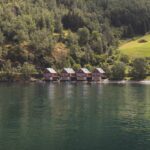
Experience the beauty and adventure of Norway’s Flåm.

Discover the wonders of the Arctic in Longyearbyen, Norway’s northernmost town.
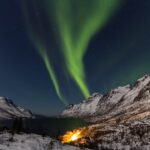
Discover the Arctic’s wonders in Tromsø, Norway.

Discover the Soul of Oslo: Experience the Munch Museum – A Journey into Edvard Munch’s Artistic Legacy

Ascend to New Heights: Discover Bergen’s Breathtaking Beauty Aboard the Fløibanen Funicular!

Discover the beauty of Norway’s Art Nouveau gem in Ålesund.

Discover Norway’s Timeless Treasure: Nidaros Cathedral – Where Gothic Grandeur Honors Saint Olav’s Legacy

Embracing Tranquility at Tromsø’s Arctic Cathedral: Where Arctic Beauty Meets Architectural Brilliance

Discover the perfect blend of history, art, and outdoor adventure in Stavanger, Norway.

Discover the beauty of Bergen, Norway – where history meets nature.

Discover Geirangerfjord: Norway’s Breathtaking UNESCO Gem with Majestic Waterfalls, Verdant Mountains, and Idyllic Villages

Discover the cultural wonders of Oslo, Norway.

Oslo’s Timeless Guardian: Discover Akershus Fortress, the 700-year-old medieval castle with breathtaking vistas of the city and fjord.

Bergen’s Bryggen Hanseatic Wharf: A Colorful Gateway to Norway’s UNESCO World Heritage Site and Historic Trading Legacy

Stavanger’s Preikestolen: Where Majestic Mountains Meet the Lysefjord – Experience the Pinnacle of Norway’s Natural Beauty
Journey Through Norway: A Tour of the Nation’s Highlights

Oslo’s Vigeland Sculpture Park: Discover the Artistic Legacy of Gustav Vigeland with Over 200 Enchanting Masterpieces

Discover Polar Pioneers: Unravel Oslo’s Fram Museum and Dive into Norway’s Icy Exploration Legacy
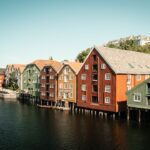
Experience history, culture, and natural beauty in Norway’s vibrant city of Trondheim.
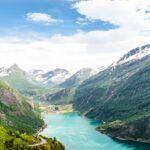
Discover the natural beauty of Norway in Geiranger, where adventure meets stunning scenery.

Ascend Bergen’s Sky-High Beauty: Mount Ulriken Cable Car Adventure Awaits!

Explore Tromsø’s Polaria Arctic Aquarium: Dive into the Arctic’s Wonders, Where Wildlife, Ecosystems, and Adventure Unite!

Discover Flåm: Norway’s Majestic Railway Adventure through the Heart of the Fjords