ROAMOPEDIA
Munch Museum
Discover the Soul of Oslo: Experience the Munch Museum – A Journey into Edvard Munch’s Artistic Legacy
“Discover the Soul of Oslo: Experience the Munch Museum – A Journey into Edvard Munch’s Artistic Legacy”

Exploring Norway: A Day at Oslo’s Munch Museum

Norway, a country known for its stunning fjords, picturesque towns, and spectacular landscapes, is also home to a thriving cultural scene. One of the standout attractions in this regard is the Munch Museum, located in the bustling city of Oslo. Dedicated to the life and work of Norwegian artist Edvard Munch, this museum houses an extensive collection of his paintings, including the famous ‘The Scream.’ As a testament to the artist’s impact and importance, the Munch Museum offers visitors a unique opportunity to delve into the life and work of one of the most renowned artists in history.

Oslo, the capital city of Norway, is a melting pot of history, culture, and natural beauty. The city is nestled between the Oslofjord and a vast forested area, making it an ideal destination for those who wish to experience both urban life and the great outdoors. As the country’s largest city, Oslo boasts a fantastic array of museums, galleries, and cultural attractions. Among these, the Munch Museum stands as a prominent fixture in the city’s cultural landscape.

The Munch Museum was established in 1963 to honor Edvard Munch, one of Norway’s most famous artists. Munch was born in 1863 in Løten, a small village in southeastern Norway. He grew up in Oslo, and it was here that he honed his skills as an artist. Over the course of his life, Munch produced an impressive body of work that included thousands of paintings, drawings, and prints. Today, the Munch Museum houses the largest collection of his works, with more than 28,000 pieces in its possession.

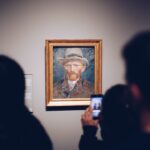
Entering the Munch Museum, visitors are immediately struck by the vastness of the collection. The museum’s exhibition spaces are spread across several floors, with each area dedicated to different aspects of Munch’s life and work. As visitors meander through the galleries, they are treated to a comprehensive overview of Munch’s artistic journey, from his early days as a student in Oslo to his later years spent working in France and Germany.

One of the highlights of the Munch Museum is, of course, the opportunity to view ‘The Scream’ up close. This iconic painting, created in 1893, is perhaps Munch’s most famous work and has become synonymous with the artist himself. The image of a figure clutching their head in anguish against a backdrop of swirling colors has captured the imagination of audiences worldwide, making it one of the most recognizable pieces of art in history. At the Munch Museum, visitors can not only admire ‘The Scream’ but also learn about the circumstances surrounding its creation and the various interpretations of its meaning.

In addition to ‘The Scream,’ the Munch Museum also showcases other significant works by the artist. Among these are ‘Madonna,’ ‘The Sick Child,’ and ‘Vampire.’ Each of these paintings offers a glimpse into Munch’s psyche, revealing his fascination with the darker aspects of human existence. By exploring themes of death, love, and despair, Munch’s work stands as a powerful reflection of the human condition.

As visitors progress through the museum, they are offered a deeper understanding of Munch’s artistic process. The museum houses an extensive collection of Munch’s sketches and preliminary studies, allowing visitors to witness the evolution of his ideas from initial conception to final execution. Additionally, the museum displays many of Munch’s personal items, such as his paintbrushes, easels, and palettes. These artifacts, combined with the wealth of information provided by the museum’s knowledgeable staff, help to paint a vivid picture of Munch’s life and artistic practice.

One of the most compelling aspects of the Munch Museum is its commitment to showcasing the artist’s work within the broader context of his time. The museum’s exhibitions often draw connections between Munch’s paintings and the social, political, and cultural climate in which he lived. Through this approach, the museum helps visitors to appreciate not only the aesthetic value of Munch’s work but also its historical significance.

In recent years, the Munch Museum has made significant efforts to expand and modernize its facilities. The museum is currently undergoing a massive renovation project, which will see the construction of a new building designed by the award-winning architecture firm, Estudio Herreros. The new Munch Museum, set to open in 2021, promises to be a state-of-the-art cultural institution, equipped with cutting-edge technology and contemporary exhibition spaces. With this expansion, the museum aims to solidify its status as an essential destination for art lovers and tourists alike.

The Munch Museum is not only a testament to the artistic genius of Edvard Munch but also a celebration of Norway’s rich cultural heritage. By preserving and promoting Munch’s work, the museum plays a crucial role in fostering an appreciation for the arts within the country and beyond. For those visiting Oslo, a trip to the Munch Museum is a must-see experience, offering a fascinating insight into the life and work of one of the world’s most acclaimed artists.

In conclusion, the Munch Museum in Oslo is a must-visit destination for art enthusiasts and casual visitors alike. With its extensive collection of Edvard Munch’s paintings, including the iconic ‘The Scream,’ the museum provides a captivating glimpse into the artist’s life and work. As a testament to the importance of art and culture in Norway, the Munch Museum is an essential stop on any trip to this fascinating country.

  • Print
  • +-
    Font Size