ROAMOPEDIA
Oslo
Discover the cultural wonders of Oslo, Norway.
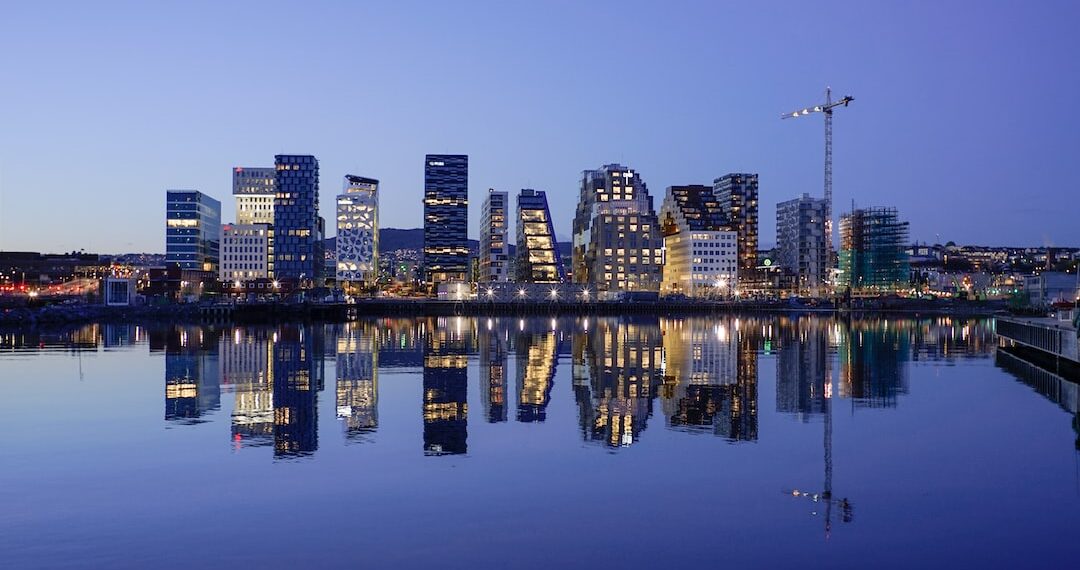

Oslo

Oslo, the capital of Norway, is a city that is rich in culture, history, and natural beauty. It is a vibrant city that offers something for everyone, whether you are a history buff, an art lover, or a nature enthusiast. In this guide, we will explore some of the top attractions that Oslo has to offer.

The first stop on our tour of Oslo is the Vigeland Sculpture Park. This park is home to over 200 bronze, granite, and cast iron sculptures created by Gustav Vigeland. The sculptures depict the human form in all its glory and are arranged in a beautiful park setting. The park is open year-round and is free to the public.

Another must-see attraction in Oslo is the Akershus Fortress. This medieval castle was built in the late 13th century and has played an important role in Norwegian history. Today, it is a popular tourist destination that offers stunning views of the Oslo Fjord. Visitors can tour the castle and learn about its history, as well as enjoy the beautiful grounds.

If you are interested in art, then you cannot miss the National Gallery. This museum is home to an impressive collection of Norwegian and international art, including works by Edvard Munch and Pablo Picasso. The museum is open year-round and is a must-visit for any art lover.

For a taste of Norwegian culture, head to the Folk Museum. This open-air museum features over 160 traditional buildings from all over Norway, as well as exhibits on Norwegian folk art, costumes, and music. Visitors can also see live demonstrations of traditional crafts, such as weaving and woodcarving.

No visit to Oslo would be complete without a trip to the Holmenkollen Ski Jump. This iconic ski jump is one of the most famous in the world and has hosted numerous international ski jumping competitions. Visitors can take a tour of the jump and learn about its history, as well as enjoy stunning views of Oslo and the surrounding area.

For a taste of nature, head to the Oslo Fjord. This beautiful fjord is home to numerous islands and is a popular destination for boating and fishing. Visitors can also hike along the fjord and enjoy the stunning scenery.

If you are interested in science and technology, then the Norwegian Museum of Science and Technology is a must-visit. This museum features exhibits on everything from space exploration to renewable energy, as well as interactive exhibits that allow visitors to explore scientific concepts.

Finally, no visit to Oslo would be complete without a stroll through the city’s vibrant neighborhoods. From the trendy Grünerløkka to the historic Gamlebyen, Oslo’s neighborhoods offer something for everyone. Visitors can explore local shops and restaurants, as well as enjoy the city’s lively nightlife.

Oslo is a city that is rich in culture, history, and natural beauty. From the Vigeland Sculpture Park to the Oslo Fjord, there is something for everyone in this vibrant city. Whether you are interested in art, history, or nature, Oslo is a must-visit destination that is sure to leave a lasting impression.

Vigeland Sculpture Park

Oslo, the capital of Norway, is a city that is rich in history and culture. From museums to parks, there is no shortage of things to see and do in this vibrant city. One of the top attractions that should be on every visitor’s list is the Vigeland Sculpture Park.

Located in the Frogner Park, the Vigeland Sculpture Park is a unique and stunning display of over 200 bronze, granite, and cast iron sculptures created by the Norwegian artist Gustav Vigeland. The park is open to the public year-round, and admission is free.

The sculptures in the park are arranged in a series of themes, each depicting different aspects of the human experience. The most famous of these themes is the “Circle of Life,” which features over 60 sculptures that represent the different stages of life, from birth to death.

One of the most striking sculptures in the park is the “Monolith,” a towering granite structure that stands at the center of the park. The sculpture is over 14 meters high and is made up of 121 human figures carved from a single block of stone.

Visitors can also explore the park’s many fountains, bridges, and pathways, all of which are adorned with Vigeland’s sculptures. The park is a popular spot for picnics, walks, and outdoor concerts, and it’s easy to see why.

In addition to the sculptures, the park also features a museum that is dedicated to the life and work of Gustav Vigeland. The museum is housed in the artist’s former studio and includes a collection of his drawings, sketches, and models.

One of the best times to visit the Vigeland Sculpture Park is during the summer months, when the park comes alive with music and performances. The park hosts a series of outdoor concerts and festivals, including the Oslo Chamber Music Festival and the Norwegian Wood Music Festival.

No trip to Oslo would be complete without a visit to the Vigeland Sculpture Park. The park is a masterpiece of art and design, and it offers visitors a unique and unforgettable experience. Whether you’re a lover of art, history, or just looking for a beautiful place to relax, the Vigeland Sculpture Park is a must-see attraction in Norway’s capital.

Viking Ship Museum

Oslo, the capital of Norway, is a city steeped in history and culture. One of the most fascinating aspects of Oslo’s history is its Viking heritage, and the Viking Ship Museum is the perfect place to explore this rich past.

The Viking Ship Museum is located on the Bygdøy peninsula, just a short ferry ride from central Oslo. The museum is home to three Viking ships that were excavated from burial mounds in the Oslo fjord. These ships date back to the 9th century and are incredibly well-preserved, offering a glimpse into the lives of the Vikings who lived in Norway over a thousand years ago.

The first ship you’ll encounter at the museum is the Oseberg ship, which was discovered in 1904. This ship was buried in a large burial mound along with the remains of two women, who are believed to have been of high status. The Oseberg ship is incredibly ornate, with intricate carvings and a stunningly preserved dragon’s head at the bow.

Next up is the Gokstad ship, which was discovered in 1880. This ship is larger than the Oseberg ship and was likely used for long-distance travel and trading. The Gokstad ship is also beautifully decorated, with carvings of animals and mythological creatures adorning the sides of the ship.

The third ship at the museum is the Tune ship, which was discovered in 1867. This ship is smaller than the other two and was likely used for coastal voyages and fishing. The Tune ship is less ornate than the other two ships, but it’s still an impressive sight to see.

In addition to the ships themselves, the Viking Ship Museum also houses a number of other artifacts from the Viking Age. These include sledges, carts, and other items that were buried with the ships. There are also displays showcasing the different types of wood used to build the ships and the tools that were used in their construction.

One of the most interesting aspects of the Viking Ship Museum is the opportunity to see the ships up close. Visitors can walk around the ships and even climb aboard the Oseberg ship to get a closer look at the carvings and other details. There are also interactive exhibits that allow visitors to learn more about the Vikings and their way of life.

Overall, the Viking Ship Museum is a must-visit attraction for anyone interested in the history and culture of Norway. The museum offers a fascinating glimpse into the lives of the Vikings who lived in Norway over a thousand years ago, and the well-preserved ships are truly a wonder to behold. Whether you’re a history buff or just looking for something unique to see in Oslo, the Viking Ship Museum is definitely worth a visit.

Royal Palace

Oslo, the capital of Norway, is a beautiful city that is rich in history, culture, and natural beauty. One of the most popular attractions in Oslo is the Royal Palace. The Royal Palace is the official residence of the Norwegian monarch and is one of the most iconic landmarks in the city.

The Royal Palace was built in the early 19th century and is a neoclassical masterpiece. The palace has 173 rooms, including the famous Great Hall, which is used for state banquets and official receptions. The palace also has a beautiful park that is open to the public and is a popular spot for picnics and leisurely walks.

One of the best ways to explore the Royal Palace is by taking a guided tour. The tour will take you through the various rooms of the palace, including the Royal Chapel, the Council Chamber, and the State Rooms. You will also learn about the history and traditions of the Norwegian monarchy and get a glimpse into the daily life of the royal family.

Another popular attraction at the Royal Palace is the changing of the guard ceremony. The ceremony takes place every day at 1:30 pm and is a colorful and impressive display of military precision. The ceremony includes a marching band, soldiers in full dress uniform, and the Norwegian Royal Guards.

If you are interested in art and history, you should not miss the opportunity to visit the Royal Palace’s art collection. The collection includes works by some of Norway’s most famous artists, including Edvard Munch, Jacob Weidemann, and Harald Sohlberg. The collection also includes works by international artists such as Pablo Picasso, Vincent van Gogh, and Paul Cézanne.

The Royal Palace is also a popular venue for cultural events and exhibitions. The palace hosts a variety of events throughout the year, including concerts, theater performances, and art exhibitions. The palace’s beautiful gardens and park are also used for outdoor concerts and festivals during the summer months.

If you are visiting Oslo with children, the Royal Palace is a great place to take them. The palace offers a special children’s tour that is designed to be fun and educational. The tour includes a visit to the palace’s stables, where the children can meet the horses and learn about the royal family’s equestrian traditions.

the Royal Palace is one of the top attractions in Oslo and a must-visit destination for anyone interested in Norwegian history, art, and culture. Whether you are taking a guided tour, watching the changing of the guard ceremony, or exploring the palace’s art collection, the Royal Palace is sure to leave a lasting impression on you. So, if you are planning a trip to Oslo, be sure to add the Royal Palace to your itinerary and experience the wonders of Norway’s capital city.

Akershus Fortress

Oslo, the capital city of Norway, is a beautiful and vibrant destination that offers a wealth of attractions for visitors to explore. One of the city’s most impressive landmarks is the Akershus Fortress, which is located in the heart of the city and has a rich history dating back over 700 years.

The fortress was originally built in the 13th century by King Haakon V as a defensive stronghold to protect the city from invaders. Over the centuries, it has been expanded and renovated many times, and today it is a popular tourist attraction that offers a glimpse into Norway’s fascinating past.

Visitors to the fortress can explore the many different parts of the complex, including the castle, the old prison, and the military museum. The castle is particularly impressive, with its ornate façade and beautiful interior, which features a grand hall, a chapel, and a banquet hall.

The old prison is also worth a visit, as it provides a fascinating insight into the harsh conditions that prisoners faced in Norway’s past. Visitors can see the cramped cells, the punishment room, and even the execution chamber, which is a sobering reminder of the fortress’s dark history.

Another highlight of the Akershus Fortress is the military museum, which showcases Norway’s military history from the Viking era to the present day. The museum has a vast collection of weapons, uniforms, and other military artifacts, and visitors can learn about the country’s involvement in various conflicts throughout history.

In addition to the historical attractions, the Akershus Fortress also offers stunning views of the city and the Oslo Fjord. Visitors can climb to the top of the fortress walls and enjoy panoramic views of the surrounding area, including the famous Oslo Opera House and the Royal Palace.

Overall, the Akershus Fortress is a must-visit destination for anyone interested in Norway’s rich history and culture. Whether you’re a history buff, a military enthusiast, or simply looking for a beautiful place to explore, this impressive fortress has something for everyone.

If you’re planning a trip to Oslo, be sure to put the Akershus Fortress at the top of your list of attractions to visit. With its fascinating history, stunning views, and varied attractions, it’s a must-see destination that will leave a lasting impression on visitors of all ages.

Munch Museum

The Munch Museum in Oslo is a must-visit attraction for art enthusiasts and anyone interested in the life and work of Norwegian artist Edvard Munch. The museum is home to a vast collection of Munch’s paintings, drawings, and prints, including his famous masterpiece, “The Scream.”

Edvard Munch was born in 1863 in a suburb of Oslo, and the city played a significant role in his life and work. The Munch Museum was established in 1963, on the hundredth anniversary of the artist’s birth, and has since become one of the most popular tourist destinations in Oslo.

The museum’s collection includes approximately 28,000 works by Munch, including paintings, drawings, lithographs, and woodcuts. The collection is continuously growing, and the museum regularly acquires new works by the artist.

One of the highlights of the museum’s collection is “The Scream,” one of Munch’s most famous works. The painting depicts a person screaming against a blood-red sky and has become an icon of modern art. The museum also houses several other versions of “The Scream,” including a pastel version and a lithograph.

In addition to “The Scream,” the museum’s collection includes several other notable works by Munch, including “Madonna,” “The Dance of Life,” and “Puberty.” These paintings explore themes of love, death, and human emotion, and are considered some of Munch’s most significant works.

The museum also has an extensive collection of Munch’s drawings, many of which were created as sketches for his paintings. These drawings provide insight into Munch’s creative process and offer a glimpse into the artist’s mind.

In addition to its permanent collection, the Munch Museum also hosts temporary exhibitions featuring works by other artists. These exhibitions often explore themes related to Munch’s life and work and offer visitors a broader perspective on the artist’s legacy.

The museum’s building, designed by Spanish architect Juan Herreros, is an architectural marvel in its own right. The building features a striking, angular design and is clad in aluminum panels that reflect the light and surrounding landscape. The museum’s interior is spacious and airy, with high ceilings and ample natural light.

The Munch Museum is located in Tøyen, a vibrant neighborhood in Oslo that is home to several other museums and cultural attractions. Visitors can easily spend a day exploring the neighborhood, taking in the sights and sounds of one of Oslo’s most exciting areas.

Overall, the Munch Museum is a must-visit attraction for anyone interested in the life and work of Edvard Munch and modern art. The museum’s collection is vast and varied, offering visitors a unique insight into the artist’s mind and creative process. Whether you’re a seasoned art enthusiast or a casual visitor, the Munch Museum is sure to leave a lasting impression.

  • Print
  • +-
    Font Size