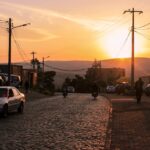
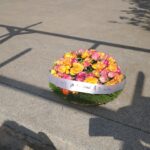
Discover the intellectual and cultural heart of Rwanda in Butare.

Butare
Butare, also known as Huye, is a city located in the southern part of Rwanda. It is a cultural and historical hub that offers visitors a glimpse into the country’s rich heritage. Butare is home to several museums, cultural centers, and historical sites that are worth exploring. Here are some of the must-visit places in Butare.
The National Museum of Rwanda is a great place to start your cultural journey. The museum was established in 1989 and is located in the heart of Butare. It showcases Rwanda’s history, culture, and art, with exhibits ranging from traditional clothing to pottery and musical instruments. The museum also has a section dedicated to the 1994 genocide, which provides visitors with an opportunity to learn about this dark period in Rwanda’s history.
Another interesting place to visit in Butare is the Ethnographic Museum. This museum is located on the campus of the National University of Rwanda and is dedicated to showcasing Rwandan culture and traditions. The museum has a vast collection of artifacts, including traditional clothing, baskets, pottery, and tools. Visitors can also learn about Rwandan customs, such as marriage ceremonies and traditional dances.
For those interested in Rwanda’s colonial history, the King’s Palace Museum is a must-visit. The palace was built in the 19th century and was the residence of King Mutara III Rudahigwa. The museum showcases the lifestyle of the Rwandan monarchy during the colonial era and has exhibits that include the king’s throne, royal regalia, and traditional weapons.
Butare is also home to the Nyanza Genocide Memorial, which is located about 30 minutes from the city center. The memorial is dedicated to the victims of the genocide and serves as a reminder of the atrocities that occurred during that period. Visitors can learn about the history of the genocide, pay their respects to the victims, and reflect on the importance of reconciliation and forgiveness.
If you’re looking to experience Rwandan culture firsthand, the National Ballet of Rwanda is a great place to start. The ballet is made up of young Rwandans who perform traditional dances and songs that showcase the country’s rich cultural heritage. The performances are energetic and colorful and provide visitors with a unique insight into Rwandan culture.
In addition to these cultural and historical sites, Butare is also home to several beautiful gardens and parks. The Butare Botanical Garden is a great place to take a leisurely stroll and enjoy the beautiful flora and fauna. The garden has a vast collection of plants, including medicinal plants, orchids, and succulents.
Overall, Butare is a city that offers visitors a unique opportunity to explore Rwanda’s rich cultural and historical heritage. From museums and cultural centers to parks and gardens, there is something for everyone in this vibrant city. So, if you’re planning a trip to Rwanda, be sure to add Butare to your itinerary.
National Museum of Rwanda
Rwanda is a country with a rich cultural and historical heritage that is often overshadowed by the tragic events of the 1994 genocide. However, for those who take the time to explore beyond the headlines, Rwanda has much to offer in terms of art, music, literature, and architecture. One such place to discover the country’s cultural and historical gems is Butare, a city located in the southern province of Rwanda.
Butare is home to the National Museum of Rwanda, which is a must-visit destination for anyone interested in learning about the country’s history and culture. The museum was first opened in 1989 and has since undergone several renovations to improve its facilities and exhibits. The museum’s mission is to promote the understanding and appreciation of Rwanda’s cultural heritage, as well as to educate visitors about the events that have shaped the country’s history.
The museum is divided into several sections, each of which explores a different aspect of Rwandan culture and history. The first section is dedicated to traditional Rwandan art and music. Here, visitors can see examples of traditional art forms such as basket weaving, pottery, and woodcarving. There are also recordings of traditional Rwandan music, which is characterized by its use of drums, flutes, and other traditional instruments.
The second section of the museum is devoted to the history of Rwanda’s monarchy. Rwanda was ruled by a series of Tutsi kings from the 15th century until the 20th century, when the country became a republic. This section of the museum includes exhibits on the life and reign of the kings, as well as displays of their regalia and other artifacts.
The third section of the museum is dedicated to the colonial period in Rwanda’s history. Rwanda was colonized by Germany in the late 19th century, and later by Belgium. This section of the museum includes exhibits on the impact of colonialism on Rwanda, as well as displays of colonial-era artifacts such as maps, photographs, and documents.
The fourth and final section of the museum is devoted to the events leading up to and following the 1994 genocide. This section is perhaps the most difficult to visit, as it includes graphic images and descriptions of the violence that occurred during that time. However, it is also the most important section of the museum, as it serves as a reminder of the need for reconciliation and peace in Rwanda.
In addition to the National Museum of Rwanda, Butare is also home to several other cultural and historical sites. One such site is the Ethnographic Museum, which is located on the campus of the National University of Rwanda. The Ethnographic Museum is dedicated to the study and preservation of Rwanda’s cultural heritage, and includes exhibits on traditional clothing, housing, and food.
Another must-visit destination in Butare is the Cathedral of Sainte Famille. The cathedral was built in the early 20th century and is considered one of the finest examples of neo-Gothic architecture in East Africa. The cathedral’s stained glass windows and intricate carvings are a testament to the skill and artistry of the Rwandan craftsmen who built it.
Butare is a city that is rich in cultural and historical heritage, and the National Museum of Rwanda is a must-visit destination for anyone interested in learning more about the country’s past and present. From traditional art and music to the events of the 1994 genocide, the museum offers a comprehensive look at the many facets of Rwanda’s history and culture. So, if you find yourself in Rwanda, be sure to take the time to explore Butare and discover its many treasures.
Our Lady of Wisdom Cathedral
Rwanda is a small country located in East Africa, known for its stunning natural beauty and wildlife. However, there is much more to this country than its scenery. Rwanda is also home to a rich and diverse cultural heritage that is waiting to be discovered. One of the best places to experience this heritage is in the city of Butare, located in the southern part of the country.
One of the most impressive cultural landmarks in Butare is the Our Lady of Wisdom Cathedral. This stunning cathedral is a testament to the country’s strong Catholic heritage and is a must-see for anyone interested in religious history and architecture.
The cathedral was built in the early 20th century and is an example of the neo-Romanesque style of architecture. The exterior of the building is made of red brick and features a towering bell tower that can be seen from miles away. The interior of the cathedral is just as impressive, with stunning stained-glass windows and intricate carvings.
But the cathedral is not just a beautiful building; it also has an important place in Rwandan history. During the genocide in 1994, the cathedral served as a sanctuary for thousands of Tutsi refugees who were fleeing the violence. The priests and nuns who lived at the cathedral risked their lives to protect these refugees, and their bravery is still remembered and celebrated today.
Visitors to the cathedral can learn more about its history by taking a guided tour. These tours are led by knowledgeable guides who can provide insight into the significance of the cathedral and its role in Rwandan history. The tours are also a great way to learn more about the Catholic faith and the role it has played in shaping Rwandan culture.
But the cathedral is just one of the many cultural and historical gems that can be found in Butare. The city is also home to the National Museum of Rwanda, which is dedicated to preserving the country’s rich cultural heritage. The museum features exhibits on traditional Rwandan art, music, and dance, as well as displays on the country’s history and natural environment.
One of the most fascinating exhibits at the museum is the section dedicated to the Rwandan genocide. This exhibit provides a sobering reminder of the atrocities that occurred in the country just a few decades ago, but it also highlights the resilience and strength of the Rwandan people.
Another must-see attraction in Butare is the King’s Palace Museum. This museum is located in the nearby town of Nyanza and is dedicated to the history of the Rwandan monarchy. The museum features exhibits on the traditional rites and customs of the Rwandan royal court, as well as displays of royal artifacts and clothing.
Visitors to the King’s Palace Museum can also witness traditional Rwandan dance performances and participate in cultural activities such as basket weaving and pottery making. These activities provide a hands-on way to experience the rich cultural heritage of Rwanda and to connect with the local community.
Butare is a city steeped in history and culture, and it is a must-visit destination for anyone interested in learning more about Rwanda’s past and present. Whether you are interested in religious history, traditional art and music, or the country’s monarchy, there is something for everyone in Butare. So, if you are planning a trip to Rwanda, be sure to add Butare to your itinerary and discover the cultural and historical gems that this city has to offer.
Murambi Genocide Memorial
Rwanda is a country that has been through a lot of turmoil in its history, particularly during the 1994 genocide that claimed hundreds of thousands of lives. But despite this dark past, there are still cultural and historical gems to be discovered in the country, particularly in the city of Butare.
Butare is located in the southern part of Rwanda, and it is the country’s second-largest city. It is home to a number of cultural and historical sites that offer visitors a glimpse into Rwanda’s past and present.
One of the most important historical sites in Butare is the Murambi Genocide Memorial. This memorial is located in the former Murambi Technical School, which was used as a refuge by thousands of Tutsis during the genocide. Unfortunately, the school was eventually attacked, and most of the Tutsi refugees were killed.
Today, the Murambi Genocide Memorial serves as a reminder of the atrocities that occurred during the genocide. Visitors can tour the school and see the remains of some of the victims, which have been preserved in a macabre display. The memorial also features exhibits that detail the history of the genocide and the efforts that have been made to rebuild Rwanda in its aftermath.
Another cultural gem in Butare is the National Museum of Rwanda. This museum is dedicated to preserving and showcasing the country’s rich cultural heritage, including its traditional arts and crafts, music, and dance. Visitors can explore the museum’s collections, which include everything from traditional clothing and jewelry to musical instruments and pottery.
The museum also features exhibits on Rwanda’s history, including its pre-colonial kingdoms and its struggle for independence. It is a great place to learn about the country’s past and present, and to appreciate its rich cultural diversity.
Butare is also home to a number of other cultural attractions, including the Nyanza Royal Palace Museum, which showcases the history of Rwanda’s monarchy, and the Ethnographic Museum, which features exhibits on the country’s various ethnic groups. Visitors can also explore the city’s vibrant markets and street food scene, which offer a taste of Rwanda’s delicious cuisine.
Overall, Butare is a city that is rich in cultural and historical treasures. Whether you are interested in learning about Rwanda’s past or simply want to immerse yourself in its vibrant culture, there is something for everyone in this fascinating city. So, if you are planning a trip to Rwanda, be sure to put Butare on your itinerary and discover the many gems that this city has to offer.
Huye Mountain Coffee
Rwanda is a country that is rapidly gaining popularity among tourists, thanks to its breathtaking landscapes and rich cultural heritage. Despite being a small country, Rwanda has a lot to offer, and one of the best places to experience its culture and history is in Butare, a city located in the southern part of the country.
Butare is known as the cultural capital of Rwanda, and it is home to several museums and cultural centers where visitors can learn about the country’s rich history and traditions. One of the most popular attractions in Butare is the National Museum of Rwanda, which is located in the city center. The museum houses a collection of artifacts and exhibits that showcase Rwanda’s history, culture, and natural heritage. Visitors can learn about the country’s pre-colonial era, its struggle for independence, and its current status as a rapidly developing African nation.
Another must-visit attraction in Butare is the Nyanza Royal Palace, which was once the residence of the Rwandan monarchy. The palace is now a museum that showcases the traditional architecture and artwork of the Rwandan people. Visitors can explore the palace’s various rooms and learn about the customs and traditions of the royal family.
For those interested in learning about Rwanda’s traditional arts and crafts, a visit to the Ethnographic Museum is a must. The museum houses a collection of traditional handicrafts, including pottery, basketry, and weaving. Visitors can watch local artisans at work and even try their hand at some of the crafts themselves.
Butare is also home to several cultural centers, including the Rwandan Cultural Center and the Centre Universitaire de Butare. These centers offer a range of cultural and educational programs, including traditional dance and music performances, language classes, and cooking demonstrations.
Butare is not just a city of museums and cultural centers, however. It is also known for its stunning natural beauty, with the Huye Mountain range providing breathtaking views of the surrounding landscape. Visitors can take a hike up the mountain and enjoy panoramic views of the city and its surroundings.
Another popular attraction in Butare is the Huye Mountain Coffee plantation, which offers visitors the opportunity to learn about the coffee growing process and sample some of the finest coffee in Rwanda. The plantation is located on the slopes of the Huye Mountain range, and visitors can take a guided tour of the plantation, learning about the different varieties of coffee grown there and the various stages of the coffee production process.
Butare is a city that offers visitors a unique insight into Rwanda’s rich cultural heritage and natural beauty. Whether you are interested in history, art, or simply want to enjoy the stunning scenery, Butare has something to offer everyone. So next time you are planning a trip to Rwanda, make sure to add Butare to your itinerary – you won’t be disappointed!