“Explore Rwanda’s Past and Present at National Museum of Butare.”

Related
All related contents.
Related Posts

Experience the beauty of Gisenyi and the serenity of Lake Kivu in Rwanda.
Discover the beauty and resilience of Rwanda through its vibrant capital city of Kigali and pay tribute to the fallen heroes at Camp Kigali Memorial.

Tagline: “Experience the wonder of chimpanzee trekking in the ancient Nyungwe Forest National Park.

Experience the ultimate lakeside getaway at Rwanda’s Gisenyi.

Tagline: Discover the beauty of Rwanda and pay tribute to Dian Fossey’s legacy at Volcanoes National Park.

Discover the vibrant spirit of Rwanda at Kimironko Market in Kigali.
Discover the heart of Africa in Kigali, home to the powerful and moving Kigali Genocide Memorial.
Discover the beauty and warmth of Kigali, Rwanda’s capital city.

Discover the intellectual and cultural heart of Rwanda in Butare.

Discover the wonders of African wildlife at Akagera National Park in Rwanda.

Discovering Rwanda: A Journey Through the Land of a Thousand Hills

Discover the colorful expressions of Rwanda at Inema Arts Center, located in the heart of Kigali.

Explore the beauty and culture of Rwanda’s capital with a visit to Kigali’s Kandt House Museum.

Tagline: Remembering the past, honoring the fallen at Nyamata Genocide Memorial in Kigali, Rwanda.

Discover Rwanda’s natural beauty at Nyungwe Forest National Park and take in the stunning views from the Canopy Walkway.
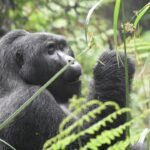
Rwanda: Discover the Majestic Mountain Gorillas at Volcanoes National Park.

Discover the wonders of nature in Musanze, Rwanda.
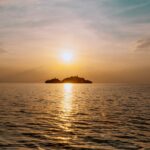
Discover the natural beauty of Rwanda’s Kibuye town on Lake Kivu.

Discover Rwanda’s geological wonders in Musanze’s ancient caves.

Discover the history of Rwanda at the Presidential Palace Museum in Kigali.