“Discover the history and resilience of Senegal in Dakar, home of the House of Slaves.”

Related
All related contents.
Related Posts

Discover the vibrant culture and rich history of Senegal in Dakar and Gorée Island.

Discover the rich history and cultural heritage of Senegal in Dakar, where the House of Slaves stands as a powerful symbol of resilience and hope in the face of oppression.

Discover the beauty of Dakar from the heights of Mamelles Lighthouse.
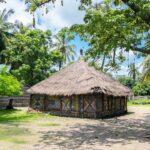
Discover the beauty of Senegal’s Casamance region in Ziguinchor.

Discover the vibrant culture and stunning landscapes of Senegal, including the breathtaking pink waters of Lake Retba in Dakar.

Discover the spirit of African Renaissance in Senegal’s vibrant capital, Dakar.

Explore the natural wonders of Senegal’s Sine-Saloum Delta National Park.

Experience the vibrant culture and flavors of Senegal at Marché Kermel in Dakar.

Discover the beauty of Senegal at Saly Beach.

Experience the ultimate beach getaway at Saly, Senegal’s hidden gem.

Discover the vibrant culture and trade of Senegal in Kaolack.
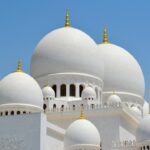
Explore the spiritual heart of Senegal at Dakar Grand Mosque.
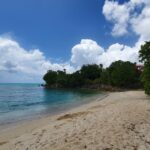
Discover the colorful history and architecture of Senegal’s Saint-Louis, a UNESCO World Heritage Site.

Experience the Vibrant Culture of West Africa at IFAN Museum in Dakar, Senegal.
Discover the natural wonders and cultural richness of Senegal’s Kedougou region.

Discover the rich history and culture of Senegal in the charming Saint-Louis and its scenic island, declared a UNESCO World Heritage site.

Experience the ultimate beach getaway in Senegal’s vibrant Saly.

Explore the vibrant traditions of West Africa at the IFAN Museum of African Arts in Dakar, Senegal.
Exploring Senegal: A Comprehensive Guide to the Country’s Best Kept Secrets

Discover the cultural and natural wonders of Dakar, Senegal’s vibrant capital city.

Discover the spiritual heart of Senegal at Touba – a pilgrimage destination like no other.

Discover the history and beauty of Senegal’s Saint-Louis Island, a cultural gem of French West Africa.