Exploring the Ecological Riches of Senegal’s Sine-Saloum Delta National Park
Senegal is a country located in West Africa, known for its vibrant culture, stunning beaches, and diverse wildlife. One of the country’s most unique and captivating destinations is the Sine-Saloum Delta, a UNESCO World Heritage site that boasts an array of ecosystems, from mangroves to wetlands.
The Sine-Saloum Delta is a vast area of land located at the mouth of the Saloum River, where it meets the Atlantic Ocean. The delta is home to several islands, including Mar Lodj, which is the largest and most populous. The region is known for its diverse wildlife, including over 400 species of birds, crocodiles, manatees, and dolphins.
One of the most significant aspects of the Sine-Saloum Delta is its rich mangrove forests. Mangroves are trees that grow in saltwater and play a crucial role in the ecosystem. They support a wide range of marine life, including fish, crabs, and shrimp, and are also critical to reducing the impacts of erosion and storm surges. The mangroves in the Sine-Saloum Delta are particularly impressive, covering nearly 200,000 hectares of the region.
In addition to the mangroves, the Sine-Saloum Delta is home to vast wetlands that provide a habitat for many species of birds and other wildlife. The wetlands are a crucial stopover point for migratory birds, and many of them spend the winter here. Some of the most common species of birds include pelicans, flamingos, and egrets.
The Sine-Saloum Delta National Park was established in 1976 to protect the area’s unique ecosystems and wildlife. The park covers an area of over 76,000 hectares and is divided into two parts, the northern and southern sections. The northern section is home to a large population of manatees, while the southern section is known for its birdlife.
Tourists who visit the Sine-Saloum Delta National Park can explore the area’s diverse ecosystems by boat. Many local tour operators offer guided tours of the region, where visitors can take in the stunning scenery and spot wildlife along the way. The tours usually include stops at some of the region’s most beautiful islands, where visitors can take a break and enjoy a picnic lunch.
One of the most popular activities in the Sine-Saloum Delta is fishing. The region is home to many species of fish, including tilapia, catfish, and barracuda. Local fishermen use traditional methods to catch fish, including nets and lines. Tourists who are interested in fishing can join local fishermen on their boats and learn about their techniques and way of life.
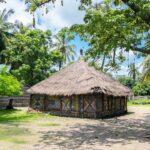
The Sine-Saloum Delta is also home to several traditional villages that offer tourists a glimpse into the local culture. Many of the villages have been inhabited for hundreds of years and have preserved their traditions and customs. Visitors can visit the villages and meet the locals, watch traditional dances, and purchase handmade crafts.
In addition to its natural beauty and cultural heritage, the Sine-Saloum Delta is also an important economic resource for the local population. The region’s fish and seafood are a significant source of income for many families, and many locals rely on tourism for their livelihoods. The Sine-Saloum Delta National Park generates revenue for the local economy by charging entrance fees and employing local guides and boat drivers.
In conclusion, the Sine-Saloum Delta is a unique and captivating destination that offers tourists an opportunity to explore diverse ecosystems and experience the local culture. The region’s mangroves, wetlands, and wildlife make it a haven for nature lovers, while its traditional villages provide a glimpse into the local way of life. The Sine-Saloum Delta National Park is a significant resource for the local economy and plays a crucial role in protecting the region’s natural heritage. A visit to the Sine-Saloum Delta is an unforgettable experience that should be on every traveler’s bucket list.