“Sri Lanka’s Dambulla Cave Temple: A spiritual journey through art and architecture.”

Related
All related contents.
Related Posts

Discover the ancient wonders of Sri Lanka at Sigiriya Rock Fortress and beyond.

Step back in time and immerse yourself in the beauty of Sri Lanka’s Galle, a UNESCO World Heritage Site.

The Enchanting Island of Sri Lanka: Unveiling its Top Travel and Tourism Treasures

Step back in time and explore the ancient wonders of Anuradhapura in Sri Lanka.

Experience the wonders of nature at Udawalawe National Park in Sri Lanka

Discover the charm of Dutch colonial architecture in Galle Fort, Sri Lanka.

Explore the breathtaking beauty of Sri Lanka’s hills and tea plantations at Ella Rock.
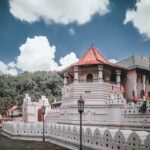
Discover the spiritual heart of Sri Lanka at Kandy’s Temple of the Sacred Tooth Relic.
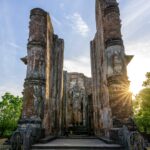
Discover the ancient wonders of Polonnaruwa, Sri Lanka.

Discover the majesty of the oceans in Mirissa, Sri Lanka – your ultimate whale watching destination.

Experience the perfect blend of adventure and relaxation in Sri Lanka’s Arugam Bay.

Discover the charm of ‘Little England’ in Nuwara Eliya, Sri Lanka’s breathtaking hill station.

Experience the urban oasis of Galle Face Green in Colombo, Sri Lanka – where the ocean meets the city.

Discover the beauty and history of Trincomalee in Sri Lanka’s stunning coastal city.

Discover the wild side of Sri Lanka at Yala National Park.

Discover the rich history of Sri Lanka at Polonnaruwa Ancient City.

Discover paradise at Hikkaduwa Beach in Sri Lanka.

Experience the rich culture of Sri Lanka in the enchanting city of Kandy.

Discover the ancient wonders of Sri Lanka at Sigiriya Rock Fortress.

Discover the ancient wonders of Sri Lanka at Anuradhapura.

Experience the wonder of Sri Lanka’s Pinnawala Elephant Orphanage.

Experience the ultimate surfer’s paradise at Arugam Bay, Sri Lanka.

Discover the natural wonders of Sri Lanka in Ella’s lush hills and waterfalls.

Discover the rich heritage and modern charm of Colombo, Sri Lanka’s vibrant capital city.

Discover the breathtaking beauty of Sri Lanka’s Horton Plains National Park and World’s End viewpoint in Nuwara Eliya.