ROAMOPEDIA
Kandy
Experience the rich culture of Sri Lanka in the enchanting city of Kandy.
“Experience the rich culture of Sri Lanka in the enchanting city of Kandy.”

Kandy

Sri Lanka is a land of ancient temples and rich cultural heritage, and the Temple of the Tooth, also known as Sri Dalada Maligawa, is one of its most important religious sites. Located in the city of Kandy, the temple is believed to house the sacred tooth relic of the Buddha, making it a significant pilgrimage site for Buddhists around the world.

The history of the Temple of the Tooth dates back to the 4th century BC, when the tooth relic was brought to Sri Lanka from India. Over the centuries, the tooth relic was passed down from one ruler to the next, and the temple was built to house and protect it. The current temple complex was constructed in the 17th century by King Kirti Sri Rajasinha, and it has since been expanded and renovated multiple times.

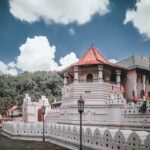
The temple is situated in the heart of Kandy, surrounded by a moat and a wall, which gives it a fortress-like appearance. The entrance to the temple is through the main gate, which is guarded by two stone elephants, and leads to a spacious courtyard. The courtyard is home to a number of buildings, including the main shrine, the audience hall, and the temple museum.

The main shrine is the most important building in the temple complex, and it houses the sacred tooth relic of the Buddha. The shrine is a two-story structure, with a golden roof and intricate wood carvings. Inside the shrine, the tooth relic is kept in a gold casket, which is placed on a raised platform. The casket is only displayed during special ceremonies, and visitors are not allowed to see it up close.

The audience hall, also known as the Magul Maduwa, is another significant building in the temple complex. It was built in the 18th century by King Kirti Sri Rajasinha, and it was used for royal ceremonies and meetings. Today, it is used for religious ceremonies and cultural events, and it is open to visitors.

The temple museum is located in a separate building, and it showcases a collection of artifacts and exhibits related to the history and culture of the temple. The exhibits include ancient manuscripts, traditional costumes, and religious objects. The museum is a great place to learn more about the history and significance of the Temple of the Tooth.

One of the most popular events at the Temple of the Tooth is the Esala Perahera, which is held annually in July or August. The festival is a grand procession that celebrates the tooth relic of the Buddha, and it features traditional dancers, drummers, and elephants. The procession starts at the temple and winds its way through the streets of Kandy, attracting thousands of visitors from around the world.

Visitors to the Temple of the Tooth are required to dress modestly and remove their shoes before entering the temple complex. Photography is allowed in most areas, but there are some restrictions, especially in the main shrine. Visitors should also be respectful of the temple and its traditions, and avoid making loud noises or behaving inappropriately.

the Temple of the Tooth is a must-visit destination for anyone interested in the rich cultural heritage of Sri Lanka. It is a place of great historical and religious significance, and it offers visitors a unique glimpse into the country’s past and present. Whether you’re a Buddhist pilgrim or a curious traveler, a visit to the Temple of the Tooth is sure to be a memorable experience.

Temple of the Tooth

The Temple of the Tooth, also known as Sri Dalada Maligawa, is a significant religious site located in the city of Kandy, Sri Lanka. It is one of the most revered Buddhist temples in the world, and is considered to be the most important temple in Sri Lanka. The temple is located in the royal palace complex of the former Kingdom of Kandy, and is believed to hold the tooth relic of the Buddha.

The temple complex is a UNESCO World Heritage Site, and is a popular tourist attraction in Sri Lanka. Visitors from around the world come to see the temple and learn about its history and significance. The temple is a must-visit destination for anyone interested in Buddhism, history, and culture.

The history of the Temple of the Tooth dates back to the 4th century BC, when the Buddha passed away. The tooth relic was believed to have been smuggled into Sri Lanka during the 4th century AD, and was hidden in various locations throughout the country. It was finally discovered in the 16th century, and was brought to Kandy, where it was enshrined in the temple.

The temple complex is a stunning example of traditional Sri Lankan architecture. The main building of the temple is a two-story structure made of wood, with a red-tiled roof and intricate carvings on the walls. The temple is surrounded by a moat, which adds to its grandeur and beauty. Visitors can enter the temple through the main entrance, which is guarded by two stone elephants.

Once inside the temple, visitors will be struck by the beauty and serenity of the surroundings. The temple is filled with intricate carvings, paintings, and sculptures, all of which depict scenes from Buddhist mythology. The highlight of the temple is the chamber where the tooth relic is kept. The chamber is heavily guarded and is only open to visitors during certain times of the day.

The temple is also home to a museum, which showcases a collection of artifacts related to the temple and the tooth relic. The museum is a great place to learn about the history and significance of the temple, and to gain a deeper understanding of Buddhism.

Visitors to the temple are advised to dress modestly and to remove their shoes before entering the temple. It is also important to be respectful of the religious significance of the temple and to follow the rules and regulations set forth by the temple authorities.

In addition to its religious and cultural significance, the Temple of the Tooth is also an important symbol of Sri Lankan nationalism. The temple played a key role in the country’s struggle for independence from British colonial rule, and is still seen as a symbol of national pride and unity.

Overall, the Temple of the Tooth is a must-see destination for anyone visiting Sri Lanka. Its rich history, stunning architecture, and cultural significance make it one of the most important religious sites in the world. Whether you are a Buddhist or simply interested in history and culture, a visit to the Temple of the Tooth is sure to be an unforgettable experience.

Kandy Lake

The Temple of the Tooth is located in the city of Kandy, Sri Lanka. It is also known as the Sri Dalada Maligawa and is considered one of the most sacred places for Buddhists around the world. The temple houses the sacred tooth relic of Lord Buddha, which is believed to have been brought to Sri Lanka in the 4th century AD.

Kandy Lake, also known as Kiri Muhuda or the Sea of Milk, is located in close proximity to the Temple of the Tooth. It was built in 1807 by King Sri Wickrama Rajasinghe and covers an area of 6,544 square meters. The lake is surrounded by lush greenery and is a popular spot for tourists and locals alike.

Visitors to the Temple of the Tooth can witness the daily rituals and offerings made to the sacred tooth relic. The temple is open from 5:30 am to 8:00 pm, and visitors are required to remove their shoes and cover their shoulders and knees before entering. The temple complex is vast and includes several shrines, museums, and a library.

The main shrine of the temple is the two-story golden-roofed temple, which is said to have been built in the 17th century. The temple is adorned with intricate carvings and paintings that depict the life of Lord Buddha. Visitors can also see the golden casket that houses the sacred tooth relic, which is kept on a raised platform in the inner sanctum of the temple.

Apart from the main shrine, the temple complex also includes the Royal Palace of Kandy, which was built in the 14th century and served as the residence of the Kandyan Kings. The palace has now been converted into a museum that showcases the history and culture of Sri Lanka.

The Temple of the Tooth is also home to several annual festivals and processions that attract thousands of devotees and tourists. The most popular festival is the Esala Perahera, which is held in August and features a grand procession of elephants, dancers, and musicians. The procession culminates with the traditional water cutting ceremony, where the chief elephant of the procession walks into the Mahaweli River.

Kandy Lake is a popular spot for tourists to take a leisurely stroll or enjoy a boat ride. The lake is surrounded by several ancient temples and monuments, including the Temple of the Tooth, the Royal Palace of Kandy, and the Kandy Garrison Cemetery. Visitors can also see several species of birds and fish that inhabit the lake.

The Kandy Lake Club, located on the banks of the lake, is a popular spot for locals to gather and socialize. The club hosts several cultural events and performances throughout the year, including traditional dance and music shows.

the Temple of the Tooth and Kandy Lake are two of the most popular tourist attractions in Sri Lanka. Visitors can witness the rich history and culture of the country while enjoying the natural beauty of the surroundings. The Temple of the Tooth is a must-visit for anyone interested in Buddhism, while Kandy Lake is a great spot for a relaxing stroll or boat ride.

Royal Botanical Gardens

Located in the city of Kandy in Sri Lanka, the Temple of the Tooth is a sacred Buddhist site that houses a tooth relic of the Buddha. The temple is considered one of the most important pilgrimage sites for Buddhists around the world and attracts thousands of visitors every year.

The Temple of the Tooth is situated within the Royal Palace complex, which was once the residence of the Kandyan monarchs. The temple was built in the 17th century and has undergone several renovations and reconstructions over the years. The temple’s architecture is a blend of Sri Lankan, Indian, and Thai styles, and its ornate carvings and intricate paintings are a testament to the skilled craftsmanship of the local artisans.

The highlight of the temple is, of course, the tooth relic of the Buddha. According to legend, the tooth relic was brought to Sri Lanka in the 4th century AD and has been enshrined in various temples over the centuries. The tooth relic is housed in a gold casket that is adorned with precious gems and is kept in a chamber that is only accessible to the temple’s custodians.

Visitors to the temple can view the casket from a distance and offer prayers and offerings to the Buddha. The temple also houses several other relics and artifacts that are related to the life of the Buddha and the history of Buddhism in Sri Lanka.

The Temple of the Tooth is not just a religious site; it is also a cultural and historical landmark that offers a glimpse into the rich heritage of Sri Lanka. The temple is surrounded by lush gardens and scenic views of the city and the nearby mountains. The temple’s annual Esala Perahera festival is a grand spectacle that showcases the country’s vibrant culture and traditions.

If you’re planning a visit to the Temple of the Tooth, be prepared for crowds and long queues. The temple is open to visitors from early morning until late evening, and it’s best to go early in the day to avoid the rush. Visitors are required to dress modestly and remove their shoes before entering the temple premises.

After visiting the Temple of the Tooth, you can head to the nearby Royal Botanical Gardens for a relaxing stroll amidst exotic flora and fauna. The gardens are spread over 147 acres and house over 4,000 species of plants, including rare orchids, palms, and medicinal plants.

The gardens were first established in the 18th century as a pleasure garden for the Kandyan monarchs and were later expanded and opened to the public. The gardens are divided into several sections, each with its own unique features. The spice garden, for instance, showcases a variety of spices that are grown in Sri Lanka, while the orchid house is a haven for orchid enthusiasts.

The Royal Botanical Gardens is also home to several species of birds and butterflies, making it a popular spot for nature lovers. You can hire a guide to take you around the gardens and learn about the different plants and animals that inhabit the area.

a visit to the Temple of the Tooth and the Royal Botanical Gardens is a must-do for anyone visiting Sri Lanka. These two landmarks offer a glimpse into the country’s rich cultural and natural heritage and provide a unique and unforgettable experience for visitors.

Bahiravokanda Vihara Buddha Statue

The Temple of the Tooth, also known as Sri Dalada Maligawa, is a significant religious site in Kandy, Sri Lanka, and one of the most sacred places for Buddhists all around the world. The temple houses the relic of the tooth of Buddha, which is believed to be a source of great power and protection.

The temple complex is situated in the heart of Kandy, surrounded by lush greenery and a tranquil environment. The temple’s architecture is a blend of Kandyan, Indian, and Thai styles, and it features intricate carvings and colorful paintings that depict stories from the life of Buddha. The temple is also home to several shrines, including the Pattirippuwa, which is a stunning octagonal structure that offers panoramic views of the city.

The highlight of the temple is undoubtedly the chamber that houses the tooth relic. The chamber is heavily guarded, and only a selected few have access to it. The relic is kept in a gold casket, which is enclosed within several other caskets made of silver, gold, and precious gems. The chamber is kept dark, and the only source of illumination comes from the oil lamps that burn continuously. The relic is only displayed to the public during the annual Esala Perahera festival, where it is paraded through the streets of Kandy on the back of a majestic elephant.

The Temple of the Tooth is not just a place of worship; it is also a center of culture and tradition. The temple hosts several cultural performances, including traditional dance and music, which showcase the rich heritage of Sri Lanka. The temple complex also houses a museum that displays a vast collection of artifacts and relics related to Buddhism and Sri Lankan history.

Apart from the Temple of the Tooth, another popular attraction in Kandy is the Bahiravokanda Vihara Buddha Statue. The statue is situated on a hilltop, overlooking the city, and is visible from almost every corner of Kandy. The statue stands at an impressive height of 88 feet and is made of concrete and bronze. The statue depicts Buddha in a seated position, with his hand raised in a gesture of blessing.

Visitors can climb up to the hilltop to get a closer view of the statue and enjoy the breathtaking panoramic views of Kandy city. The climb up to the hilltop is a bit steep, but the effort is well worth it. The hilltop also has a small temple, where visitors can offer prayers and make offerings.

the Temple of the Tooth and Bahiravokanda Vihara Buddha Statue are two of the most popular attractions in Kandy, Sri Lanka. Both these sites offer visitors a glimpse into the rich culture and heritage of Sri Lanka and are a must-visit for anyone traveling to the country. The Temple of the Tooth is a place of great religious significance and offers visitors a chance to witness the power of faith and devotion. The Bahiravokanda Vihara Buddha Statue, on the other hand, is a testament to the artistic and architectural prowess of Sri Lanka and offers visitors a chance to enjoy some breathtaking views of the city.

  • Print
  • +-
    Font Size