Discover Arusha’s Hidden Gem: Lake Manyara National Park – Unravel the Mysteries of Tree-Climbing Lions and Flamingo Spectacles
“Discover Arusha’s Hidden Gem: Lake Manyara National Park – Unravel the Mysteries of Tree-Climbing Lions and Flamingo Spectacles”
Exploring Tanzania: Arusha and Lake Manyara National Park
Tanzania, a country in East Africa, is known for its vast wilderness areas and rich biodiversity. Among the numerous national parks and conservation areas that the country boasts, one lesser-known gem is the stunning Lake Manyara National Park, situated in the northern part of the country near the bustling town of Arusha. This scenic park is famous for its diverse ecosystems, tree-climbing lions, and large flocks of flamingos that grace its shores.
The town of Arusha, often referred to as the gateway to Tanzania’s northern circuit of national parks, is a lively and bustling hub of activity. With its markets teeming with the vibrant colors and smells of fresh produce and local cuisine, it is a melting pot of cultures and a great starting point for exploring the region’s natural wonders. Located about 126 kilometers (78 miles) from Arusha, Lake Manyara National Park is easily accessible and its proximity to other famous parks such as Serengeti National Park and Ngorongoro Conservation Area makes it an ideal stop on a Tanzanian wildlife safari.
Lake Manyara National Park, established in 1960, covers an area of approximately 330 square kilometers (127 square miles), of which about 230 square kilometers (89 square miles) are covered by the lake itself. The park’s relatively small size belies the rich diversity of ecosystems it contains, which range from the lush groundwater forest to the grassy floodplains and the alkaline lake shores. The varying habitats support an incredible variety of wildlife, making it a haven for nature lovers and photographers alike.
The park is most famous for its tree-climbing lions, a unique behavior that is relatively rare among lion populations. While lions are known to climb trees in a few other locations, such as Uganda’s Queen Elizabeth National Park, the lions in Lake Manyara National Park are particularly well-known for their arboreal habits. The reason for this unusual behavior is not well understood, but it is thought that the lions climb trees to escape the heat, biting insects, and to gain a better vantage point for spotting prey. Visitors to the park may be fortunate enough to witness these majestic animals lounging on the branches of acacia trees, their powerful limbs dangling lazily as they survey their domain.
In addition to the tree-climbing lions, Lake Manyara National Park is renowned for its large flocks of flamingos that can be found congregating along the lake’s shores. The park provides a vital breeding ground for these elegant birds, and during the wet season, the lake can turn a vibrant pink hue as thousands of lesser and greater flamingos gather to feed on the abundant algae that thrive in the alkaline waters. Watching these flocks of flamingos take flight en masse, their long necks and legs creating an almost surreal spectacle, is an unforgettable experience for any visitor.
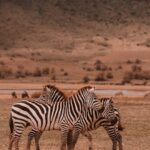
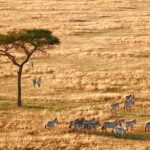
Besides lions and flamingos, the park is home to a multitude of other wildlife species. Elephants, giraffes, zebras, and wildebeest can be spotted grazing in the grassy plains, while the groundwater forest provides a cool refuge for troops of baboons, blue monkeys, and bushbucks. The park also boasts a healthy population of buffalo and hosts a variety of antelope species such as the diminutive dik-dik and the striking impala, which are often seen leaping gracefully through the undergrowth.
Lake Manyara National Park is also a birdwatcher’s paradise, with over 400 recorded bird species. Apart from the iconic flamingos, the park hosts a variety of waterbirds such as herons, storks, and pelicans, which can be seen wading in the shallows or soaring gracefully overhead. The forests and grasslands are home to an array of other bird species, including colorful bee-eaters, rollers, and sunbirds, as well as birds of prey like the fish eagle, which can often be seen swooping down to snatch a meal from the lake’s surface.
A unique feature of Lake Manyara National Park is the presence of hot springs, which are formed by water heated by geothermal processes beneath the Earth’s crust. The most famous of these is the Maji Moto (Swahili for “hot water”) springs, which flows into the lake and forms a series of steamy pools and channels. The mineral-rich waters are said to have therapeutic properties, and a visit to the springs can be an invigorating and rejuvenating experience after a long day of wildlife viewing.
Another feature of the park worth exploring is the Treetop Walkway, an elevated walkway that meanders through the canopy of the groundwater forest. This unique attraction allows visitors to get a bird’s eye view of the forest and its inhabitants, from the monkeys leaping through the branches to the myriad bird species flitting among the leaves. The walkway is accessible to visitors of all ages and physical abilities and is an excellent opportunity to experience the park’s diverse ecosystems from a different perspective.
Lake Manyara National Park may be lesser-known compared to its more famous neighbors, but it is a must-visit destination for anyone embarking on a Tanzanian safari. Its diverse ecosystems, unusual tree-climbing lions, and vibrant flocks of flamingos make it a truly unique and unforgettable experience. Whether you are an avid wildlife enthusiast, a birdwatcher, or simply seeking a tranquil retreat in nature, Lake Manyara National Park is a destination that will leave you in awe of the wonders of the natural world.