Tanzania’s Hidden Treasure: Arusha’s Tarangire National Park
Tanzania is a country that greatly embodies the spirit of Africa, with its diverse landscapes, abundant wildlife, and fascinating cultures. It is a land that captivates the imagination of travelers from all over the world, who come to witness its natural beauty and experience its unique charm. Among the many destinations that Tanzania has to offer, there is one place in particular that holds a special allure for those seeking a more intimate and off-the-beaten-path experience – Tarangire National Park.
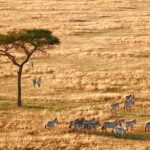
Located in the northern part of the country, just a short drive from the bustling city of Arusha, Tarangire National Park is often overshadowed by its more famous neighbors – the Serengeti and the Ngorongoro Crater. However, those who venture into this lesser-known gem are rewarded with an unforgettable experience that is rich in natural beauty and diverse wildlife, including some of the largest elephant herds and iconic baobab trees that are synonymous with the African savannah.
As you enter the park, it becomes immediately apparent why Tarangire is often referred to as the “home of elephants”. The park is known for its large herds of elephants, which can number up to 300 individuals. These gentle giants can often be seen roaming the park’s vast expanses, bathing in the Tarangire River, or socializing in groups under the shade of the towering baobab trees. It is a truly awe-inspiring sight, and one that will leave a lasting impression on anyone who has the privilege of witnessing it.
Tarangire National Park’s elephant population is not only one of the largest in Tanzania but also one of the most diverse in terms of age and social structure. The park is home to elephants of all ages, from playful youngsters to wise old matriarchs, and it is not uncommon to see large family groups led by experienced females, who guide their younger relatives through the challenges of life in the wild. Observing these complex social dynamics firsthand is a fascinating experience that offers a rare insight into the lives of these intelligent creatures.
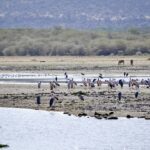
In addition to its impressive elephant population, Tarangire National Park is home to a wide variety of other wildlife species that can be seen roaming its sprawling plains, woodlands, and swamps. The park boasts a healthy population of predators, including lions, leopards, and cheetahs, which can often be spotted stalking their prey or resting in the shade of the park’s many acacia trees. For bird enthusiasts, Tarangire is a true paradise, with over 550 species of birds recorded within its boundaries, making it one of the most diverse birding destinations in East Africa.
However, perhaps the most iconic feature of Tarangire National Park is its majestic baobab trees, which dominate the landscape and create an atmosphere that is both otherworldly and distinctly African. These ancient trees, which can live for thousands of years, are known for their unique appearance, with massive trunks that can reach up to 30 meters in circumference and branches that resemble roots reaching towards the sky. They are an integral part of the park’s ecosystem, providing food, shelter, and nesting sites for a wide variety of wildlife, as well as serving as important landmarks for navigation.
As you explore Tarangire National Park, it is impossible not to be captivated by the sight of these towering giants silhouetted against the vast African sky. Their presence adds an air of mystery and timelessness to the landscape, evoking a sense of wonder and respect for the power and resilience of nature. It is no wonder that baobab trees have long been revered by local cultures and feature prominently in their myths and legends, as they have an undeniable aura of magic and mystique about them.
One of the best times to visit Tarangire National Park is during the dry season, which typically runs from June to October. During this time, the park’s wildlife is concentrated around the Tarangire River and other permanent water sources, making it easier to spot animals and enjoy some truly spectacular game viewing. The park’s scenery is also at its most striking during the dry season, with the contrast between the golden grasslands, the vibrant green of the riverine vegetation, and the silvery bark of the baobab trees creating a breathtaking backdrop for your wildlife encounters.
Despite its many attractions, Tarangire National Park remains relatively undiscovered by the masses, which means that it offers a more intimate and secluded experience compared to some of Tanzania’s more popular destinations. This is especially true if you choose to stay at one of the park’s small and exclusive lodges or tented camps, which are designed to blend seamlessly into their surroundings and provide an authentic and immersive experience of the African bush. By staying within the park, you not only enjoy the advantage of being closer to the action, but you also have the opportunity to explore the park’s more remote and pristine areas, where few other visitors venture.
Furthermore, Tarangire National Park’s close proximity to Arusha, the gateway to Tanzania’s northern safari circuit, makes it an ideal destination for those seeking a short but rewarding safari experience. The park can easily be reached by road or by air, with several airstrips located within its boundaries, making it a convenient and accessible option for those with limited time or who wish to combine their visit with other attractions in the region.
In conclusion, Tarangire National Park is a lesser-known gem that offers a truly unique and unforgettable experience for those willing to venture off the beaten path. With its large elephant herds, iconic baobab trees, and diverse array of wildlife, it is a destination that should not be overlooked by anyone seeking an authentic and immersive African safari experience. So, the next time you find yourself planning a trip to Tanzania, be sure to include Tarangire National Park on your itinerary – you won’t be disappointed.