ROAMOPEDIA
Mount Kilimanjaro
Arusha, Tanzania: Where Mount Kilimanjaro Reigns – Experience Africa’s Peak of Adventure and Scenery
Arusha, Tanzania: Where Mount Kilimanjaro Reigns – Experience Africa’s Peak of Adventure and Scenery”

Tanzania’s Majestic Mount Kilimanjaro: Trekking Arusha’s Iconic Peak

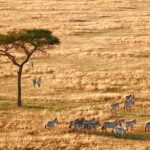
Tanzania, a country located in East Africa, is known for its diverse natural attractions and rich cultural heritage. Among the many areas of interest, one city stands out as a hub for adventure seekers and nature enthusiasts – Arusha. This bustling city in northern Tanzania is often referred to as the gateway to some of the most awe-inspiring sites on the continent, including the Serengeti National Park, Ngorongoro Crater, and Lake Manyara. However, there is one sight that towers above them all, both literally and figuratively – Mount Kilimanjaro.

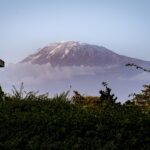
Mount Kilimanjaro, the highest mountain in Africa, is an iconic symbol of the continent’s majestic beauty. Rising 5,895 meters (19,341 feet) above sea level, this dormant volcano is a sight to behold, offering breathtaking views and unforgettable trekking experiences for those who dare to take on its slopes. The mountain is part of the Kilimanjaro National Park, which covers an area of 1,668 square kilometers (644 square miles) and is a UNESCO World Heritage site.

The mountain itself is comprised of three volcanic cones – Kibo, Mawenzi, and Shira. Kibo, the highest of the three, is home to Uhuru Peak, the summit of Mount Kilimanjaro and the highest point in Africa. Mawenzi and Shira are both extinct, while Kibo is dormant, with its last eruption occurring around 200 years ago.

Climbing Mount Kilimanjaro is a challenging and rewarding experience, with trekkers passing through five distinct ecological zones on their journey to the summit. The adventure begins in the lush rainforests at the base of the mountain, where the air is thick with moisture, and the flora and fauna are diverse and abundant. As you ascend, the landscape transitions into the heath and moorland zone, characterized by vast expanses of grasslands and the occasional appearance of the giant lobelia and senecio plants, which are unique to this region.

Further up, the terrain becomes more rugged and the vegetation more sparse, as you enter the alpine desert zone. Here, temperatures fluctuate dramatically, with daytime highs reaching up to 40°C (104°F) and nighttime lows plummeting to below freezing. This zone is characterized by its otherworldly appearance, with volcanic rocks and sand dominating the landscape.

As you approach the summit, you enter the arctic zone, where the air is thin, and the temperatures are consistently below freezing. The landscape here is stark and inhospitable, with glaciers and snow-capped peaks surrounding you as you make your final push towards Uhuru Peak. It is in this harsh environment that trekkers truly come to appreciate the immense scale and beauty of Mount Kilimanjaro.

There are several routes available for those wishing to climb Mount Kilimanjaro, each varying in difficulty, duration, and scenery. Some of the most popular routes include the Marangu, Machame, Lemosho, and Rongai routes. Each of these routes offers a different perspective of the mountain, as well as varying levels of challenge and accommodation options.

The Marangu route, also known as the “Coca-Cola” route due to the availability of soft drinks at its huts, is the most popular and well-established route on the mountain. It is considered the easiest route, with a relatively gradual ascent and comfortable sleeping huts along the way. However, it is also the most crowded route and offers less opportunity for acclimatization, which can result in a lower success rate for reaching the summit.

The Machame route, also known as the “Whiskey” route due to its more challenging nature, offers a more scenic and varied trek, passing through the beautiful Shira Plateau and beneath the striking Lava Tower. While this route provides better acclimatization opportunities, it is also more physically demanding and requires camping in tents.

The Lemosho route is considered one of the most beautiful and remote routes on the mountain, offering stunning views of the Shira Plateau, the Western Breach, and the southern ice fields. This route is longer and more challenging than the others, but it offers the best opportunity for acclimatization and has a high success rate for reaching the summit.

The Rongai route approaches the mountain from the north and is the only route that offers a chance to see the unique wildlife of the Kenyan slopes of Mount Kilimanjaro. This route is considered moderately difficult and offers a quieter trekking experience, with fewer crowds and a more gradual ascent.

Regardless of the route you choose, climbing Mount Kilimanjaro is a once-in-a-lifetime experience that requires careful planning and preparation. It is highly recommended that trekkers work with a reputable tour operator, who can provide experienced guides, porters, and cooks to ensure a safe and enjoyable climb. Additionally, proper equipment, clothing, and physical conditioning are essential for a successful trek.

While the physical challenge of climbing Mount Kilimanjaro is undeniable, the rewards are immeasurable. The sense of accomplishment upon reaching the summit, the camaraderie formed with fellow trekkers, and the awe-inspiring views of the surrounding landscape all combine to create an unforgettable experience.

In conclusion, Mount Kilimanjaro, the highest mountain in Africa, is not only a stunning natural wonder but also a testament to human determination and perseverance. The unforgettable trekking experiences it offers are a fitting tribute to the mountain’s majestic beauty, making it a must-visit destination for adventure seekers and nature enthusiasts alike.

  • Print
  • +-
    Font Size