Exploring Tanzania: Discovering Arusha and the Olduvai Gorge
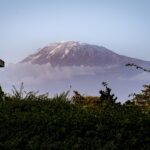
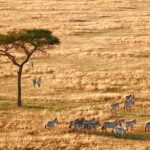
Tanzania, a country in East Africa, is a land of breathtaking landscapes, abundant wildlife, and rich cultural history. It is a destination that attracts tourists from all corners of the world to witness the spectacle of the Great Migration, experience the thrill of climbing Mount Kilimanjaro, and enjoy the tranquility of the pristine beaches of Zanzibar. But there is another lesser-known gem of Tanzania that holds a special place in the hearts of anthropologists, archaeologists, and history enthusiasts – the Olduvai Gorge.
Nestled between the Ngorongoro Crater and the Serengeti National Park in the Arusha region, the Olduvai Gorge is an archaeological site that has garnered international acclaim for the significant discoveries made there. It is often referred to as the “Cradle of Mankind” due to the wealth of early human fossils unearthed in the area, which provide valuable insights into our evolutionary past.
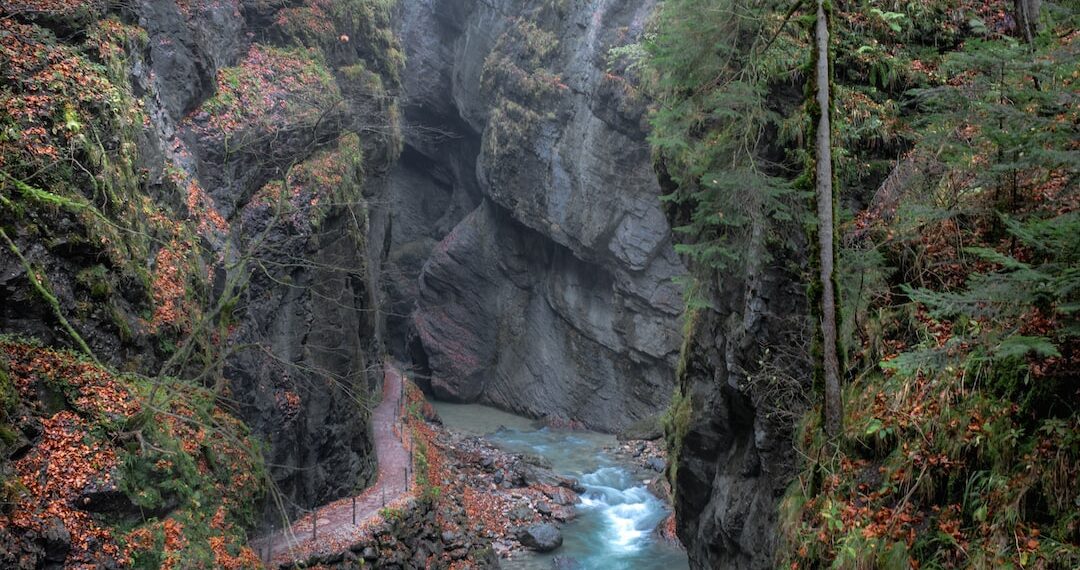
The Olduvai Gorge, stretching over 30 miles in length and plunging to depths of up to 295 feet, is an impressive sight to behold. The layers of exposed sedimentary rock that form the walls of the gorge tell a story that spans millions of years of geological history. It is within these layers that the secrets of our human ancestry have been preserved, awaiting discovery by the curious minds of scientists and researchers.
The significance of the Olduvai Gorge was first realized in the early 20th century when a German entomologist named Wilhelm Kattwinkel stumbled upon the site during his travels in Tanzania. Although Kattwinkel was primarily interested in insects, he recognized the potential importance of the gorge for archaeological research and brought it to the attention of the scientific community.
However, it wasn’t until the 1930s that the true value of the Olduvai Gorge was unlocked. This was largely due to the pioneering efforts of a couple who dedicated their lives to the study of human evolution – Louis and Mary Leakey. The Leakeys were British archaeologists and paleoanthropologists who spent decades excavating the Olduvai Gorge, unearthing a treasure trove of fossils and artifacts that have shed light on the origins and development of our species.
One of their most groundbreaking discoveries came in 1959 when Mary Leakey uncovered a skull fragment belonging to an early hominid known as Paranthropus boisei. This fossil, which was estimated to be over 1.75 million years old, was the first evidence of a hominid species other than Homo erectus, which was previously thought to be the only hominid that existed during that time period. The discovery of Paranthropus boisei challenged existing theories about human evolution and prompted further investigation into the Olduvai Gorge in search of more clues about our ancestors.
The Leakeys’ perseverance paid off in 1960 when they made another monumental discovery – the well-preserved remains of a Homo habilis individual, which they named “Olduvai Hominid 7” or “OH 7” for short. The Homo habilis species, which lived approximately 2.4 to 1.4 million years ago, is considered to be one of the earliest members of the Homo genus and a direct ancestor of modern humans. The discovery of OH 7 was a major breakthrough in our understanding of human evolution, as it showed that our ancestors were already using tools and exhibiting signs of intelligence far earlier than previously believed.
Over the years, the Olduvai Gorge has continued to yield important fossil finds, including those of early human ancestors such as Homo erectus and Homo sapiens. In addition to the hominid fossils, archaeologists have also discovered numerous stone tools, animal bones, and other evidence of early human life at the site. These findings have helped piece together a picture of the environment in which our ancestors lived and the challenges they faced as they adapted and evolved over time.
The Olduvai Gorge is not only a treasure trove of scientific discoveries, but it also holds cultural significance for the local Maasai people. The gorge is named after the Maasai word “Oldupai,” which refers to the sisal plant that grows abundantly in the area. The Maasai have long considered the gorge to be a sacred place, and they believe that the spirits of their ancestors reside within its walls. This spiritual connection to the landscape serves as a reminder of the deep-rooted cultural heritage that is intertwined with the scientific story of human evolution.
Visiting the Olduvai Gorge today is a fascinating experience that brings history to life. The site is equipped with a small museum that showcases the incredible findings from the gorge, including replicas of the most significant hominid fossils, as well as displays of the various stone tools and other artifacts uncovered during the excavations. Guided tours of the gorge are also available, offering visitors the opportunity to walk in the footsteps of our ancestors and witness first-hand the awe-inspiring beauty of the landscape that has played such a crucial role in shaping our understanding of human history.
The Olduvai Gorge may not have the widespread recognition of Tanzania’s more famous tourist attractions, but its importance in the realm of human evolution cannot be overstated. The discoveries made within its walls have fundamentally changed our perception of our own species and our place in the natural world. As we continue to explore the depths of the Olduvai Gorge and unearth new evidence of our ancestral past, we can only marvel at the magnitude of this exceptional site and its role in shaping our understanding of the human story.
In a world where modern technology and urbanization often disconnect us from our roots and the natural world, the Olduvai Gorge stands as a testament to the enduring curiosity of humankind. It is a place where the passage of time is etched into the very fabric of the earth, and where the ancient stories of our ancestors are preserved for future generations to discover and appreciate. As we stand on the edge of the Olduvai Gorge, gazing down at the layers of history that lie beneath our feet, we are reminded of our place in the grand tapestry of life and the profound journey that has led us to where we are today.