ROAMOPEDIA
National Museum and House of Culture
Discover Tanzania’s Soul: Uncover Rich History, Culture, and Art at Dar es Salaam’s National Museum and House of Culture
“Discover Tanzania’s Soul: Uncover Rich History, Culture, and Art at Dar es Salaam’s National Museum and House of Culture

Exploring Tanzania’s Rich History at Dar es Salaam’s National Museum and House of Culture

Tanzania, a country located on the eastern coast of Africa, is a land of rich history, diverse cultures, and breathtaking landscapes. With its famous wildlife reserves, stunning beaches, and towering mountains, Tanzania has long been a popular destination for tourists from all over the world. However, the country’s most striking attractions often overshadow its lesser-known gems – particularly its vibrant cities and cultural institutions. One such institution that deserves special mention and attention is the National Museum and House of Culture, situated in Tanzania’s largest city, Dar es Salaam.

Dar es Salaam, which translates to “Haven of Peace” in Arabic, is a bustling metropolis that serves as Tanzania’s commercial and cultural hub. Founded in the mid-19th century by the Sultan of Zanzibar, the city has grown to become the third-fastest-growing city in Africa, boasting a population of over four million people. Beyond its rapidly expanding skyline and busy streets, however, lies a wealth of history and culture that can be explored through the various museums, galleries, and landmarks found throughout the city – chief amongst them being the National Museum and House of Culture.

The National Museum and House of Culture is an institution that seeks to preserve and showcase Tanzania’s rich history and diverse cultural heritage. Established in 1934 by the British colonial government under the name “King George V Memorial Museum,” the museum initially exhibited only a small collection of natural history specimens before gradually expanding its scope to encompass a much broader range of artifacts and exhibits. Today, the museum offers visitors a comprehensive and fascinating insight into Tanzania’s past, from its earliest civilizations to its present-day achievements in art, science, and technology.

As you enter the National Museum and House of Culture, you are immediately greeted by a large elephant skeleton, a striking reminder of the nation’s unique wildlife and a symbol of the natural history that forms an integral part of Tanzania’s identity. Moving further into the museum, you will find a plethora of exhibits that provide a fascinating insight into the country’s distant past, including the fossilized bones of early hominids, some of which are over 3.6 million years old. These ancient remains not only offer a glimpse into the lives of our earliest ancestors but also serve as a testament to Tanzania’s crucial role in the study of human evolution, as many of the most significant discoveries in this field have been made within its borders.

As you continue your exploration of the museum, you will encounter a wide variety of artifacts and exhibits that span the breadth of Tanzania’s history, from its pre-colonial empires to its struggles for independence and beyond. Among these exhibits, you will find an impressive collection of traditional weapons, clothing, and ornaments that provide a fascinating insight into the daily lives of Tanzania’s various ethnic groups. Additionally, you will discover a wealth of information about the nation’s colonial history, including photographs, documents, and personal accounts that shed light on the experiences of both the colonized and the colonizers.

One of the most fascinating aspects of the National Museum and House of Culture is its focus on Tanzania’s artistic and cultural heritage. The museum boasts an extensive collection of traditional and contemporary art, including paintings, sculptures, and textiles that showcase the diverse and vibrant artistic traditions of the country’s many ethnic groups. From the intricate beadwork of the Maasai people to the bold, abstract paintings of Tingatinga artists, the museum’s art collection offers a unique and captivating insight into the rich tapestry of Tanzanian culture.

The National Museum and House of Culture also places a strong emphasis on education and community outreach, providing numerous opportunities for visitors to engage with and learn more about Tanzanian history and culture. Through a range of workshops, lectures, and interactive exhibits, the museum aims to foster a deeper understanding and appreciation of Tanzania’s unique cultural heritage, both amongst local residents and tourists alike. Moreover, the museum also collaborates with local schools and educational institutions, offering tailored programs and resources designed to enrich the learning experience of students from all backgrounds.

As you make your way through the museum’s various galleries and exhibitions, you will likely find yourself captivated by the wealth of information and artifacts on display. From the ancient fossils of early human ancestors to the vibrant works of contemporary Tanzanian artists, the National Museum and House of Culture offers a comprehensive and engaging exploration of the nation’s history and cultural identity. Furthermore, the museum’s commitment to education and community engagement ensures that visitors are not only able to appreciate the significance of Tanzania’s past but also understand its relevance to the present and future.

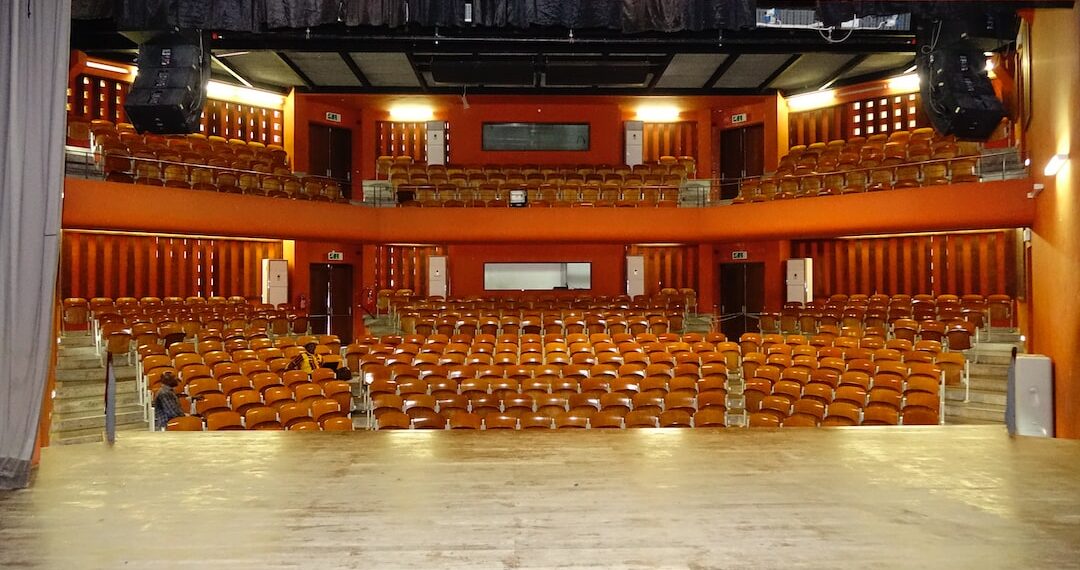
In addition to its impressive collection of art and historical artifacts, the National Museum and House of Culture also serves as a hub for cultural events and performances. Throughout the year, the museum hosts a variety of concerts, dance performances, and theatrical productions that showcase the diverse talents of Tanzanian artists and performers. These events not only provide an enjoyable and entertaining experience for visitors but also help to support and promote the local arts scene, ensuring that Tanzania’s cultural heritage continues to thrive and evolve.

While the landscapes and wildlife of Tanzania are undoubtedly awe-inspiring and deserving of their global renown, it is important not to overlook the country’s equally rich and fascinating cultural heritage. The National Museum and House of Culture in Dar es Salaam offers an unparalleled opportunity to delve into the history, art, and traditions of this diverse and captivating nation. Whether you are a seasoned traveler or simply curious about the world beyond your doorstep, a visit to this fascinating museum is sure to leave you with a deeper understanding and appreciation of Tanzania’s unique cultural identity.

  • Print
  • +-
    Font Size