ROAMOPEDIA
Stone Town
Stone Town, Zanzibar City: A Melting Pot of Cultures & Architectural Marvels
Stone Town, Zanzibar City: A Melting Pot of Cultures & Architectural Marvels”
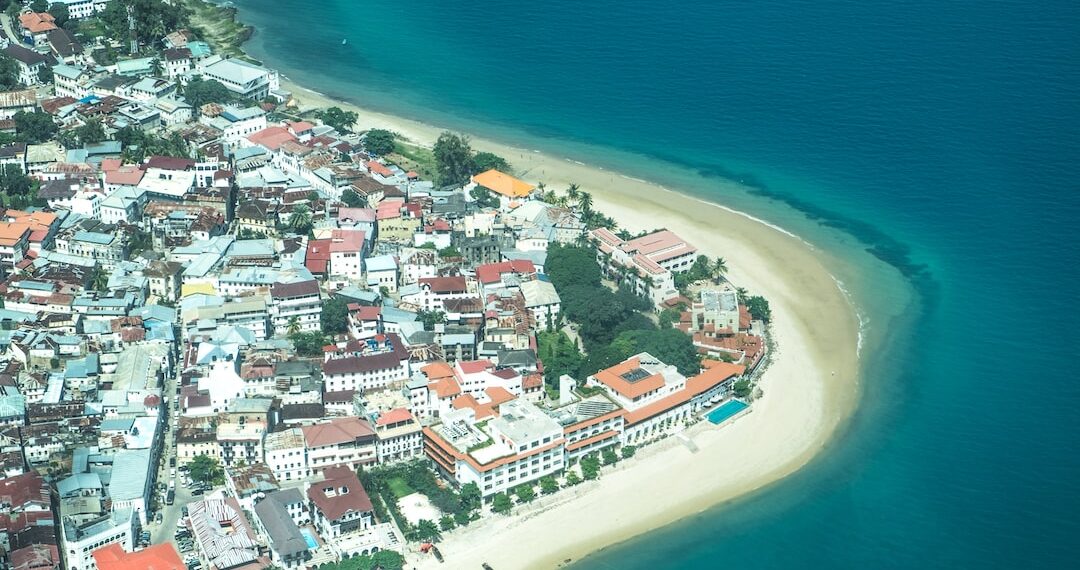
Exploring Tanzania: A Journey Through Zanzibar City’s Stone Town

Tanzania, a country in East Africa, is known for its diverse culture, rich history, and vast wildlife. However, one of the most fascinating and captivating places in this country is Zanzibar City, specifically Stone Town. This historic city, located on the western coast of the Zanzibar archipelago, boasts a unique blend of Arab, Persian, Indian, and European influences, making it a melting pot of cultures, traditions, and architectural styles. With its narrow streets, beautiful architecture, and vibrant atmosphere, Stone Town is a must-visit destination for any traveler seeking an authentic and unforgettable experience.

As you arrive in Zanzibar City, the first thing that strikes you is the warm and welcoming atmosphere. The people of Zanzibar are known for their hospitality and openness, making it easy to feel at home in this bustling city. The city is a hub of activity, with markets, shops, and restaurants lining the streets, offering a diverse range of goods and cuisines that reflect the rich cultural heritage of the area.

As you navigate your way through the busy streets, you will quickly find yourself drawn to the heart of Zanzibar City – Stone Town. This ancient part of the city is a UNESCO World Heritage Site and is characterized by its narrow, winding streets, which are too narrow for cars, making it a pedestrian’s paradise. The streets are lined with tall, ornate buildings, many of which date back centuries and have been meticulously preserved or restored. These buildings showcase the unique blend of architectural styles that can be found in Stone Town, with influences from Arab, Persian, Indian, and European cultures all visible in the design and construction.

One of the most striking features of the architecture in Stone Town is the presence of intricately carved wooden doors. These doors, often made from durable and attractive Zanzibar teak, are adorned with elaborate carvings and designs that represent the various cultural influences that have shaped the city. Some doors are adorned with Arabic inscriptions and motifs, reflecting the strong Arab presence in Zanzibar’s history, while others feature Indian-inspired designs, such as lotus flowers and geometric patterns. Many doors also include brass studs, which were initially added as a form of protection but have since become a decorative feature in their own right.

As you continue to explore the labyrinthine streets of Stone Town, you will inevitably come across some of the city’s most iconic landmarks. The House of Wonders, or Beit al-Ajaib, is one such site – a grand, imposing building that was once the residence of the Sultan of Zanzibar. This impressive structure, built in 1883, was one of the first buildings in East Africa to have electricity and an elevator, earning it its name. Today, the House of Wonders serves as a museum, showcasing the rich history and culture of Zanzibar and providing visitors with a fascinating insight into the city’s past.

Another must-see attraction in Stone Town is the Old Fort, or Ngome Kongwe, which was built by the Omanis in the late 17th century to defend the city against the Portuguese. This imposing structure, made from coral stone, now houses a cultural center, where visitors can watch traditional performances, shop for local handicrafts, and learn more about Zanzibar’s history and culture. The Old Fort is also the venue for the annual Zanzibar International Film Festival, which showcases films from across Africa and the Indian Ocean region.

In addition to its stunning architecture and historic sites, Stone Town is also home to a bustling market scene. The Darajani Market, also known as the Estella Market, is the largest and most famous market in Zanzibar City. Here, you can find a vast array of goods, from fresh produce and spices to clothing and handicrafts. The market is a sensory feast, with the sights, sounds, and smells of the various stalls creating an unforgettable atmosphere. Navigating the narrow passageways between the stalls, you’ll have the opportunity to haggle with vendors and pick up some unique souvenirs to take home with you.

Of course, no visit to Stone Town would be complete without sampling some of the local cuisine. The city’s diverse cultural influences are also evident in its food, with dishes that combine flavors and ingredients from across the globe. One of the best ways to experience the culinary delights of Zanzibar is to visit the Forodhani Gardens, a lively food market located along the waterfront. Here, you’ll find vendors serving up a variety of mouthwatering dishes, including seafood, grilled meats, and local specialties like Zanzibar pizza – a delicious concoction made from dough, minced meat, vegetables, and a blend of spices.

As you wander the streets of Stone Town, it’s hard not to be captivated by the unique blend of cultures and traditions that have shaped this historic city. The beautiful architecture, lively markets, and delicious cuisine all contribute to the unforgettable experience that awaits visitors to Zanzibar City. Whether you’re a history buff, a food lover, or simply someone seeking an authentic and off-the-beaten-path destination, Stone Town is sure to leave a lasting impression on you.

In conclusion, the historic city of Stone Town in Zanzibar City, Tanzania, is a hidden gem that offers a unique blend of Arab, Persian, Indian, and European influences. The beautiful architecture, narrow streets, bustling markets, and delicious cuisine all contribute to an unforgettable experience for visitors. So, if you’re planning a trip to Tanzania, be sure to include Stone Town in your itinerary – you won’t be disappointed.

  • Print
  • +-
    Font Size