“Stay healthy while exploring Tanzania: Important vaccinations and health precautions to consider.”

Related
All related contents.
Related Posts

Stone Town, Zanzibar City: A Melting Pot of Cultures & Architectural Marvels

Discover the vibrant culture and history of Dar es Salaam, Tanzania’s beating heart.
Discover Arusha’s Hidden Gem: Lake Manyara National Park – Unravel the Mysteries of Tree-Climbing Lions and Flamingo Spectacles

Discover Kigoma’s Hidden Gem: Mahale Mountains National Park – Pristine Beaches, Playful Primates, and Unparalleled Tranquility on Lake Tanganyika’s Shores.

Discover Tanzania: Top Travel and Tourism Attractions

Bagamoyo Historical Town: Where Coastal Charm Meets Timeless Tales of Trade and Triumph
Dive into a Hidden Treasure: Mafia Island Marine Park – Tanzania’s Underwater Sanctuary.

Discover Tanzania’s Enchanting Zanzibar City & Beaches: Pristine White Sands, Crystal-Clear Waters, and Unforgettable Adventures Await

Discover the charm of Tanzania’s Zanzibar City – a fascinating blend of history and nature.

Discover the natural wonders and vibrant culture of Moshi, Tanzania at the base of Africa’s highest peak.

Explore the best of Tanzania’s Mwanza: from stunning lake views to rich cultural experiences.

Journey through Time: Tanzania’s Arusha, Olduvai Gorge – Unearthing the Cradle of Mankind

Discover the hidden gems of Tanga, Tanzania’s coastal paradise.
Discover Tanzania’s Arusha: Ngorongoro Conservation Area, a UNESCO World Heritage Site, where breathtaking landscapes meet diverse wildlife in the majestic Ngorongoro Crater.

Discover Tanzania: Embrace Dar es Salaam’s Village Museum – A Journey Through Time and Tradition.

Arusha, Tanzania: Where Mount Kilimanjaro Reigns – Experience Africa’s Peak of Adventure and Scenery

Discover Tanzania’s Soul: Uncover Rich History, Culture, and Art at Dar es Salaam’s National Museum and House of Culture
Discover Mwanza – Unveiling Rubondo Island National Park, an Untouched Paradise on Lake Victoria for Unforgettable Wildlife & Birdwatching Experiences

Discover Arusha’s Hidden Treasure: Tarangire National Park – Where Elephants Roam and Baobabs Reign

Arusha: Your gateway to Tanzania’s breathtaking natural wonders.

Discover Kigoma’s Hidden Gem: Gombe Stream National Park – Where Chimpanzees and Jane Goodall’s Legacy Thrive

Discover the hidden treasures of Tanzania’s past in Bagamoyo.
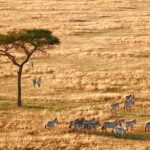
Experience Tanzania: Uncover the Wonders of Arusha, Witness the Great Migration in Serengeti National Park