“Discover Tunisia: Unveil the Wonders of Ancient History, Pristine Beaches, and Vibrant Culture”
Exploring Tunisia’s Top Attractions: A Guide to Must-See Historical Sites, National Parks, Museums, and More
Tunisia, a North African country nestled between Algeria and Libya, is a hidden gem waiting to be explored. With its rich history, diverse landscapes, and vibrant culture, Tunisia offers a plethora of attractions for tourists to discover. From ancient ruins and national parks to bustling markets and world-class museums, Tunisia has something for everyone.
One of the most iconic attractions in Tunisia is the ancient city of Carthage. Founded by the Phoenicians in the 9th century BC, Carthage was once a powerful city-state that rivaled Rome for control of the Mediterranean. Today, visitors can explore the ruins of this once-great civilization, including the remains of the Roman baths, the Punic ports, and the Antonine Baths. As you wander through these ancient sites, you can’t help but be transported back in time, imagining the grandeur and splendor of Carthage at its peak.
Another must-see historical site in Tunisia is the Amphitheatre of El Jem. This UNESCO World Heritage site is one of the largest and best-preserved Roman amphitheaters in the world. Built in the 3rd century AD, the amphitheater could hold up to 35,000 spectators and was used for gladiator fights and other public spectacles. Today, visitors can walk through the underground passages where gladiators and animals once awaited their turn in the arena, and even attend concerts and events held within the amphitheater’s ancient walls.
For those interested in exploring Tunisia’s natural beauty, the country boasts several stunning national parks. One such park is Ichkeul National Park, located in the north of the country. This UNESCO World Heritage site is home to a large lake and wetland area that serves as a crucial stopover point for migratory birds traveling between Europe and Africa. Visitors can enjoy birdwatching, hiking, and boat tours through the park’s diverse ecosystems, which include marshes, forests, and grasslands.
Another breathtaking national park in Tunisia is Jebil National Park, situated in the southwestern part of the country. This park is characterized by its unique desert landscape, featuring sand dunes, salt flats, and rocky plateaus. Visitors can embark on guided tours through the park, where they may encounter various species of wildlife, such as gazelles, fennec foxes, and Barbary macaques. The park is also home to several prehistoric rock art sites, providing a glimpse into the lives of the region’s ancient inhabitants.
In addition to its historical sites and national parks, Tunisia is home to a number of world-class museums that showcase the country’s rich history and culture. The Bardo National Museum, located in the capital city of Tunis, is one such institution. Housed in a 15th-century palace, the museum boasts an extensive collection of Roman mosaics, as well as artifacts from various periods of Tunisia’s history, including the Punic, Roman, and Islamic eras. Visitors can marvel at the intricate mosaics, which depict scenes from mythology, daily life, and even the natural world.
Another fascinating museum in Tunisia is the Sousse Archaeological Museum. This museum, situated in the coastal city of Sousse, features a vast collection of artifacts from the region’s ancient history, including statues, pottery, and jewelry. One of the museum’s highlights is its collection of well-preserved Roman mosaics, which provide a window into the artistic and cultural life of ancient Tunisia.
For those looking to immerse themselves in Tunisia’s vibrant culture, a visit to the country’s bustling markets, or souks, is a must. The Medina of Tunis, a UNESCO World Heritage site, is home to a labyrinth of narrow streets lined with shops selling everything from traditional handicrafts and textiles to spices and perfumes. As you wander through the Medina, you’ll be enveloped in the sights, sounds, and smells of Tunisia’s rich cultural heritage.
Another lively market can be found in the city of Sfax, where the bustling Souk El Haddadine is known for its skilled blacksmiths and metalworkers. Here, visitors can watch artisans at work, crafting everything from ornate door knockers and lanterns to traditional swords and daggers.
Finally, no visit to Tunisia would be complete without experiencing one of the country’s many festivals. One such event is the International Festival of the Sahara, held annually in the desert town of Douz. This four-day festival celebrates the culture and traditions of Tunisia’s desert-dwelling communities, featuring camel races, traditional music and dance performances, and even a lively market where visitors can purchase local handicrafts and sample delicious regional cuisine.
In conclusion, Tunisia is a country brimming with diverse attractions that cater to a wide range of interests. From ancient ruins and national parks to bustling markets and world-class museums, Tunisia offers a wealth of experiences for visitors to explore and enjoy. So, pack your bags and embark on a journey to discover the hidden gem that is Tunisia – you won’t be disappointed.


Related
All related contents.
Related Posts
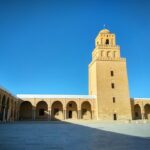
Explore the Islamic heritage of Tunisia at Kairouan’s UNESCO-listed Great Mosque and Aghlabid Basins.

Escape to paradise at Tabarka Beaches in Tunisia.

Discover the beauty and history of Djerba, Tunisia through its beaches, culture, and landmarks like El Ghriba Synagogue and Explore Park Houmt Souk.

Explore Tunisia’s past at Bardo National Museum, home to a treasure trove of historical and cultural artifacts.
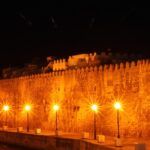
Discover the charm of Tunisia’s Bizerte, where history and nature unite.

Discover the charm and history of Tunis’ Medina, a vibrant cultural hub of Tunisia.

Discover the history of Tunisia through the magnificent ruins of Carthage.

Discover the beauty and history of the Great Mosque of Kairouan in Tunisia.

Step back in time at El Jem Amphitheatre and experience the legacy of ancient Rome in Tunisia.

Tunisia Uncovered: A Journey Through Breathtaking Landscapes and Rich History

Tunis: Where history and modernity collide in a vibrant city experience.

Experience history and breathtaking views at the Ribat of Sousse in Tunisia.

Discover the vibrant past and present of Sfax in Tunisia’s bustling port city.

Discover the beauty of Tunisia’s coastal gem at Kelibia Fortress.

Discover the ultimate Mediterranean getaway on Djerba Island, Tunisia.

Experience the perfect blend of history, culture, and fun in Hammamet, Tunisia.

Discover Tunisia’s rich history at the Ribat of Monastir, where the past meets the present with stunning views.

Step back in time at Dougga Archaeological Site – where ancient Roman history comes to life.
Discover the natural beauty and history of Tabarka Beach, Fort Genois, and Needle Rocks in Tunisia.

Tunisia’s Sousse: Where history meets the sea.

Experience the charm of Sidi Bou Said Village with its iconic blue-and-white architecture and breathtaking Mediterranean vistas.

Tunisia’s Monastir: Where history meets modernity at the coast

Experience the otherworldly charm of Matmata’s Troglodyte Houses in Tunisia.

Escape to Tozeur Oasis for a tranquil retreat in the heart of Tunisia’s desert landscape.

Discover the engineering marvels of the past at Zaghouan Aqueduct in Tunisia.