Tunisia Travel Safety Guide
Tunisia is generally safe for tourists, but it is important to exercise caution and be aware of your surroundings. The areas to avoid include the border regions with Libya and Algeria, as well as certain neighborhoods in Tunis. Currently, there are no travel advisories in effect for Tunisia.

Related
All related contents.
Related Posts

Discover the ultimate Mediterranean getaway on Djerba Island, Tunisia.

Discover the vibrant past and present of Sfax in Tunisia’s bustling port city.

Experience the otherworldly charm of Matmata’s Troglodyte Houses in Tunisia.

Escape to Tozeur Oasis for a tranquil retreat in the heart of Tunisia’s desert landscape.
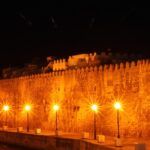
Discover the charm of Tunisia’s Bizerte, where history and nature unite.

Escape to paradise at Tabarka Beaches in Tunisia.

Tunis: Where history and modernity collide in a vibrant city experience.
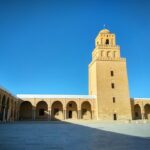
Explore the Islamic heritage of Tunisia at Kairouan’s UNESCO-listed Great Mosque and Aghlabid Basins.

Experience history and breathtaking views at the Ribat of Sousse in Tunisia.

Discover the beauty of Tunisia’s coastal gem at Kelibia Fortress.

Tunisia’s Sousse: Where history meets the sea.
Discover the natural beauty and history of Tabarka Beach, Fort Genois, and Needle Rocks in Tunisia.

Discover the history of Tunisia through the magnificent ruins of Carthage.

Step back in time at Dougga Archaeological Site – where ancient Roman history comes to life.

Tunisia’s Monastir: Where history meets modernity at the coast

Discover Tunisia’s rich history at the Ribat of Monastir, where the past meets the present with stunning views.

Tunisia’s Tozeur: Discover a desert oasis town with stunning architecture and natural wonders. Explore the Dar Cherait Museum, Chak Wak Park, and Ong Jemel.

Step back in time at El Jem Amphitheatre and experience the legacy of ancient Rome in Tunisia.

Discover the beauty and history of the Great Mosque of Kairouan in Tunisia.

Discover the engineering marvels of the past at Zaghouan Aqueduct in Tunisia.

Discover the beauty and history of Djerba, Tunisia through its beaches, culture, and landmarks like El Ghriba Synagogue and Explore Park Houmt Souk.
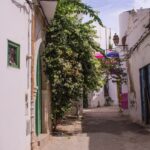
Discover the charm and history of Tunis’ Medina, a vibrant cultural hub of Tunisia.

Experience the perfect blend of history, culture, and fun in Hammamet, Tunisia.

Experience the charm of Sidi Bou Said Village with its iconic blue-and-white architecture and breathtaking Mediterranean vistas.

Explore Tunisia’s past at Bardo National Museum, home to a treasure trove of historical and cultural artifacts.