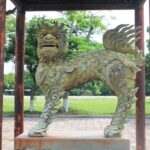
Discover the captivating charm of Vietnam’s capital city, Hanoi, through its ancient landmarks and cultural treasures.
“Discover the captivating charm of Vietnam’s capital city, Hanoi, through its ancient landmarks and cultural treasures.”
Hanoi
Vietnam’s capital city, Hanoi, is a vibrant and bustling metropolis that is steeped in culture and history. From the tranquil waters of Hoan Kiem Lake to the bustling streets of the Old Quarter and the ancient architecture of the Temple of Literature, Hanoi offers visitors a rich tapestry of experiences. In this article, we’ll explore some of the highlights of Hanoi’s cultural and historical landmarks.
Hoan Kiem Lake, which translates to “Lake of the Returned Sword,” is a beautiful oasis in the heart of Hanoi. According to legend, a magical sword was given to the Vietnamese emperor by the gods to help him defeat the Chinese invaders. After the war was won, the emperor returned the sword to the lake, where it was guarded by a giant turtle. Today, visitors can stroll along the lake’s shores, take a boat ride, or simply relax and enjoy the peaceful atmosphere. In the center of the lake, Ngoc Son Temple is a popular destination for tourists and locals alike. The temple is dedicated to the 13th-century military leader Tran Hung Dao, who is credited with defeating the Mongol invaders.
The Old Quarter is another must-see destination in Hanoi. This maze of narrow streets and alleys is home to hundreds of shops, restaurants, and traditional craft workshops. The Old Quarter dates back to the 13th century when it was a bustling commercial center for traders from China, Japan, and Europe. Today, it is a vibrant hub of activity, where visitors can sample delicious street food, shop for souvenirs, or simply soak up the atmosphere. One of the most popular attractions in the Old Quarter is the Dong Xuan Market, which is a massive indoor market that sells everything from fresh produce to clothing to electronics.
Another highlight of Hanoi’s cultural heritage is the Temple of Literature. This ancient complex was built in 1070 and served as Vietnam’s first university. It was dedicated to Confucius and other scholars and was a center of learning for hundreds of years. Today, visitors can explore the complex’s beautiful gardens, courtyards, and pavilions, which are adorned with intricate carvings and inscriptions. The Temple of Literature is also home to the “Stele of Doctors,” which is a collection of 82 stone tablets that list the names of Vietnam’s most accomplished scholars.
In addition to these landmarks, Hanoi is also home to a wealth of museums, art galleries, and cultural institutions. The Vietnam Museum of Ethnology is a fascinating exploration of the country’s diverse ethnic groups, while the Vietnam National Museum of History showcases the country’s rich history from prehistoric times to the present day. The Hanoi Opera House is a beautiful example of French colonial architecture and is home to some of Vietnam’s most talented performers.
Hanoi is a city that is brimming with culture and history. From the tranquil waters of Hoan Kiem Lake to the bustling streets of the Old Quarter and the ancient architecture of the Temple of Literature, there is something for everyone in this vibrant city. Whether you’re interested in history, art, or simply soaking up the atmosphere, Hanoi is a destination that should not be missed. So why not book your trip today and explore the rich cultural heritage of Vietnam’s capital city?
Hoan Kiem Lake
Vietnam is a country that is rich in culture and history, and its capital, Hanoi, is no exception. Hanoi is a city that is steeped in history, and there is no better place to explore this history than at Hoan Kiem Lake, the Old Quarter, and the Temple of Literature.
Hoan Kiem Lake is located in the heart of Hanoi and is one of the city’s most iconic landmarks. The lake is surrounded by lush greenery and is home to a number of important cultural and historical sites, including the Ngoc Son Temple and the Thap Rua Tower.
The Ngoc Son Temple is located on a small island in the middle of the lake and is accessible by a red bridge. The temple is dedicated to the scholar Van Xuong and the military leader Tran Hung Dao, both of whom played important roles in Vietnamese history. Visitors can explore the temple and learn about the history of these two important figures.
The Thap Rua Tower, also known as the Turtle Tower, is located on a small island in the middle of the lake. The tower was built in the 19th century and is one of the most recognizable landmarks in Hanoi. Visitors can admire the tower from afar or take a boat out to the island to explore it up close.
The Old Quarter is another must-visit destination in Hanoi. The Old Quarter is a maze of narrow streets and alleys that are lined with traditional Vietnamese houses and shops. The area is home to a number of important historical sites, including the Bach Ma Temple and the Dong Xuan Market.
The Bach Ma Temple is one of the oldest temples in Hanoi and is dedicated to the White Horse, a symbol of good luck and prosperity. Visitors can explore the temple and learn about its history and significance.
The Dong Xuan Market is one of the largest markets in Hanoi and is a great place to shop for souvenirs and traditional Vietnamese goods. The market is housed in a large, four-story building and is home to a variety of vendors selling everything from clothing to food.
The Temple of Literature is another important historical site in Hanoi. The temple was built in the 11th century and was dedicated to Confucius, the Chinese philosopher and educator. The temple was also home to Vietnam’s first university, which was founded in 1076.
Visitors can explore the temple and learn about its history and significance. The temple is also home to a number of beautiful gardens and courtyards, making it a peaceful and relaxing place to visit.
Hanoi is a city that is rich in culture and history, and there is no better place to explore this history than at Hoan Kiem Lake, the Old Quarter, and the Temple of Literature. These three destinations offer a glimpse into Vietnam’s past and are a must-visit for anyone traveling to Hanoi. So, if you’re planning a trip to Hanoi, be sure to add these destinations to your itinerary.
Old Quarter
Vietnam’s capital city, Hanoi, is a bustling metropolis with a rich history and culture that is reflected in its many attractions. Among the most popular of these attractions are the Hoan Kiem Lake, Old Quarter, and Temple of Literature.
Hoan Kiem Lake, also known as Sword Lake, is located in the heart of Hanoi and is surrounded by many historical sites and landmarks. The lake is a symbol of Vietnamese patriotism and is steeped in legend and folklore. According to legend, Emperor Le Loi was given a magical sword by the gods to help him defeat the Chinese Ming Dynasty. After the war, the emperor was boating on the lake when a giant turtle surfaced and took the sword back to the gods. The lake was named Hoan Kiem, which means “Lake of the Returned Sword,” in honor of this legend.
Today, Hoan Kiem Lake is a popular spot for locals and tourists alike. Visitors can take a leisurely stroll around the lake and enjoy the scenic views of the water and surrounding architecture. The lake is also home to Ngoc Son Temple, a historic temple dedicated to the worship of Confucianism, Taoism, and Vietnamese heroism. The temple is accessible via a red-painted wooden bridge, which adds to its charm and allure.
The Old Quarter of Hanoi is another must-visit attraction for those interested in the city’s rich history and culture. The Old Quarter is a maze of narrow streets and alleys that date back to the 13th century. This area was once the commercial center of Hanoi and is still home to many traditional Vietnamese businesses and shops. Visitors can explore the Old Quarter on foot and discover hidden gems such as traditional coffee shops, street food vendors, and art galleries.
One of the most popular activities in the Old Quarter is shopping. The area is home to many markets and bazaars where visitors can purchase traditional Vietnamese handicrafts, clothing, and souvenirs. The Dong Xuan market, which is the largest market in Hanoi, is a must-visit for anyone interested in shopping. The market is housed in a four-story building and sells everything from fresh produce to electronics.
The Temple of Literature is another important site in Hanoi’s rich history and culture. The temple was built in 1070 and was dedicated to Confucius. The temple was also Vietnam’s first university and is considered a symbol of education and learning. The temple is home to many historic artifacts and relics, including stone steles that list the names of Vietnam’s top scholars from the 15th to the 18th century.
Visitors to the Temple of Literature can explore the many courtyards and gardens and learn about the history of education in Vietnam. The temple is also a popular spot for taking photos and is considered one of the most picturesque sites in Hanoi.
Hanoi’s Hoan Kiem Lake, Old Quarter, and Temple of Literature are must-visit attractions for anyone interested in exploring the rich history and culture of Vietnam’s capital city. These sites offer a glimpse into Vietnam’s past and present and provide visitors with a unique and unforgettable experience. Whether you’re interested in history, culture, or simply want to take in the sights and sounds of Hanoi, these attractions are sure to leave a lasting impression.
Temple of Literature
Hanoi, the capital of Vietnam, is a fascinating city with a rich culture and history. It is a perfect destination for those who want to explore the country’s past and present. One of the most popular places in Hanoi is the Hoan Kiem Lake, which is located in the heart of the city. The lake is surrounded by lush greenery and is a popular spot for locals and tourists alike.
The Hoan Kiem Lake is steeped in legend and history. According to legend, in the 15th century, Emperor Le Loi was given a magical sword by a turtle that lived in the lake. The sword helped him defeat the Chinese Ming Dynasty. After the victory, the emperor returned the sword to the turtle, and the lake was named Hoan Kiem, which means “Lake of the Restored Sword.” Today, visitors can see a statue of the turtle and a pagoda on an island in the middle of the lake.
The lake is also a popular spot for locals to exercise and relax. Early in the morning, people gather around the lake to practice tai chi, jog, or walk. In the evening, the lake is lit up with colorful lights, and street performers entertain crowds of people who come to enjoy the scene.
Another popular attraction in Hanoi is the Old Quarter. The Old Quarter is a maze of narrow streets and alleyways that date back to the 13th century. The streets are lined with shops selling everything from silk to souvenirs. It is a great place to experience the hustle and bustle of Hanoi and to sample the city’s street food.
One of the most interesting places to visit in the Old Quarter is the Dong Xuan Market. The market is a massive indoor market that sells everything from fresh produce to electronics. It is a great place to shop for souvenirs and to experience the local culture.
Finally, no trip to Hanoi would be complete without visiting the Temple of Literature. The Temple of Literature is a Confucian temple that was built in 1070. It is dedicated to Confucius and his disciples and was the site of Vietnam’s first university. The temple is a beautiful example of traditional Vietnamese architecture and is surrounded by lush gardens and courtyards.
Visitors can explore the temple’s five courtyards, each of which has its own unique features. The first courtyard is home to a giant bell that was used to signal the start of classes. The second courtyard has a pond with a statue of Confucius. The third courtyard has a beautiful gate that leads to the main hall. The fourth courtyard has a statue of Chu Van An, a famous Vietnamese scholar. Finally, the fifth courtyard has a beautiful stelae garden that contains 82 stone tablets inscribed with the names of Vietnam’s top scholars.
Hanoi is a city that is rich in culture and history. The Hoan Kiem Lake, Old Quarter, and Temple of Literature are just a few of the many attractions that visitors can explore. Whether you are interested in history, culture, or just want to experience the local way of life, Hanoi has something for everyone.