Exploring Hanoi: Vietnam’s Temple of Literature and Its Architectural Beauty
Nestled in the heart of Hanoi, the bustling capital of Vietnam, lies a serene and tranquil oasis that transports visitors back in time to the ancient days of the city. The Temple of Literature, or Văn Miếu in Vietnamese, is a stunning example of traditional Vietnamese architecture and an emblem of the country’s rich cultural heritage. Dedicated to Confucius, the great Chinese philosopher, and to the scholars and sages of Vietnamese history, this ancient temple has stood the test of time, surviving centuries of wars, invasions, and natural disasters.
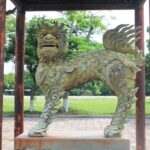
As you step through the main entrance, which is adorned with a majestic stone dragon and turtle, you are immediately swept away by the beauty and grandeur of the Temple of Literature. The sprawling complex is divided into five distinct courtyards, each with its own unique features and architectural details. The first courtyard features a serene pond filled with lotus blossoms, a symbol of purity and enlightenment in Vietnamese culture. This pond, aptly named the Well of Heavenly Clarity, provides a perfect backdrop for visitors to pause and reflect on the essence of wisdom and knowledge.
Passing through the second courtyard, visitors are greeted with a display of 82 stone stelae mounted on tortoises, each inscribed with the names and achievements of the scholars who passed the rigorous imperial exams during the Lê and Mạc Dynasties. These stelae, some dating back to the 15th century, are a testament to Vietnam’s long-standing tradition of honoring and respecting scholars and intellectual pursuits. They also serve as a tangible connection to the country’s past, linking the modern-day Vietnamese people to their ancestors who once walked the same hallowed grounds.
The third courtyard is home to the centerpiece of the Temple of Literature – the House of Ceremonies. This magnificent structure, with its sweeping tiled roofs and ornate wooden carvings, is a prime example of traditional Vietnamese architecture. The House of Ceremonies is where the ancient scholars would gather to pay homage to Confucius and to engage in discussions and debates on various subjects. Today, the building continues to be used for special events and ceremonies, preserving the intellectual and cultural spirit of the temple.
Within the House of Ceremonies lies the altar of Confucius, flanked by the statues of his four closest disciples – Yan Hui, Zengzi, Zisi, and Mencius. The altar is adorned with intricate wood carvings and colorful silk banners, creating an atmosphere of reverence and solemnity. The altar serves as a reminder of the temple’s primary purpose – to honor and celebrate the wisdom and teachings of Confucius, whose philosophies continue to shape the lives of millions of people around the world.
The fourth courtyard is dedicated to the worship of the sages and scholars of Vietnamese history. Among the revered figures enshrined here are Chu Văn An, a respected teacher and advisor to the emperor during the Trần Dynasty, and Nguyễn Minh Triết, a philosopher and poet who was instrumental in the development of Vietnamese literature. These individuals, along with many others, are honored for their contributions to the intellectual and cultural development of the nation.
The final courtyard, added during the Nguyen Dynasty in the early 19th century, is home to the Imperial Academy, Vietnam’s first national university. The academy was established in 1076 and served as the center of higher learning for the country’s elite, producing generations of scholars, poets, and government officials. The university was in operation for more than 700 years before it was finally closed in 1919, but its legacy as a center of intellectual excellence lives on in the Temple of Literature.
As you wander through the serene gardens and courtyards of the temple, it is easy to forget that you are in the midst of a bustling modern city. The ancient walls and towering trees seem to provide a protective barrier, shielding the temple from the chaos and noise of the outside world. The Temple of Literature is a place where the past and present coexist harmoniously, offering a unique window into the history and culture of Vietnam.
One of the most striking features of the temple is its extensive use of wood and stone in its construction. From the soaring wooden pillars that support the ornate roofs to the intricately carved stone statues and stelae, the temple is a showcase of the craftsmanship and skill of the Vietnamese artisans. The attention to detail and the harmonious blending of natural elements with architectural design create an atmosphere of timeless beauty and elegance.
The Temple of Literature is not only a place of historical and cultural significance but also a popular venue for modern-day events and celebrations. It is not uncommon to see young students dressed in traditional Vietnamese costumes, posing for graduation photos amongst the ancient relics and statues. The temple also hosts regular performances of traditional Vietnamese music and dance, providing a platform for the preservation and promotion of the country’s rich cultural heritage.
In a rapidly changing world, the Temple of Literature stands as a symbol of Vietnam’s enduring commitment to the pursuit of knowledge and wisdom. The ancient temple, with its tranquil gardens and awe-inspiring architecture, serves as a reminder of the timeless values of education and scholarship that have shaped the course of the nation’s history. For those who are fortunate enough to visit this remarkable landmark, the experience is sure to leave a lasting impression, inspiring a deeper appreciation for the beauty and complexity of Vietnamese culture and history.