“Stay healthy while exploring Vietnam: Important vaccinations and health precautions to consider.”

Related
All related contents.
Related Posts

Experience the best of beach life and culture in Nha Trang, Vietnam.

Old Quarter Hanoi: Where Timeless Charm Meets Vibrant Streets and Flavorful Bites

Experience the beauty of nature in Vietnam’s Da Nang coastal city.

Discover the natural wonder of Vietnam’s Ha Long Bay, where limestone karsts and islands create a stunning landscape. Explore hidden treasures like Sung Sot Cave, Ti Top Island, and Bai Tu Long Bay.

Sapa: A Symphony of Hills and Rice Terraces, Where Culture and Adventure Unite

Da Nang’s Marble Mountains: Where Natural Splendor Meets Ancient Temples and Unforgettable Views

Experience romance and serenity in the picturesque landscapes of Dalat, Vietnam.

Halong Bay Cruise: Sail the Scenic Limestone Isles, Discover a UNESCO Treasure

Discovering Vietnam: Top Travel Experiences and Attractions

Discover the beauty of Vietnam’s Sapa: where nature and culture thrive.

Experience the thrill of the desert in Vietnam’s Mui Ne Sand Dunes.

Da Nang’s Golden Bridge: Where Giant Stone Hands Embrace Breathtaking Mountain Vistas

Escape to the tropical beauty of Phu Quoc, Vietnam’s hidden gem.
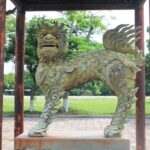
Discover Hue: Imperial City’s Timeless Legacy – Where Nguyen Dynasty’s History Unfolds

Experience the vibrant blend of past and present in Ho Chi Minh City, Vietnam.

Unleash the Adventure: Nha Trang’s Vinpearl Land – Where Thrills, Splashes, and Paradise Collide!

Phong Nha-Ke Bang National Park: Discover the World’s Largest Cave, Marvel at Limestone Wonders, and Embrace the Wild Beauty of Vietnam’s UNESCO Treasure.

Experience the vibrant culture of Vietnam at Cai Rang Floating Market in Can Tho.

Discover the hidden depths of history: Ho Chi Minh City’s Cu Chi Tunnels – Vietnam’s Underground Legacy

Discover the Unspoken Truths: War Remnants Museum – Ho Chi Minh City – Vietnam’s Heartfelt Journey through War and Resilience

Discover Hoi An: Timeless Charm, Vibrant Lanterns, and UNESCO Wonders

Embrace Serenity at Hoan Kiem Lake: Hanoi’s Tranquil Heart

Discover the captivating charm of Vietnam’s capital city, Hanoi, through its ancient landmarks and cultural treasures.

Step back in time and discover the beauty of Hoi An’s well-preserved architecture, iconic Japanese Covered Bridge, and stunning An Bang Beach.

Discover the rich history of Vietnam in Hue’s ancient imperial city, Thien Mu Pagoda, and along the tranquil Perfume River.