Contents
Angola’s tourism industry is relatively new1, as much of the country was ravaged during the post-colonial civil war that ended in 2002, and from 2023 to 2026 it saw a marked increase in tourism aided by new visa-free entry rules and infrastructure upgrades. UK advice in 2026 reports a high level of crime in Luanda, some of it violent, and suggests using pre-arranged cars or hotel cars2 when you withdraw money.
Luanda
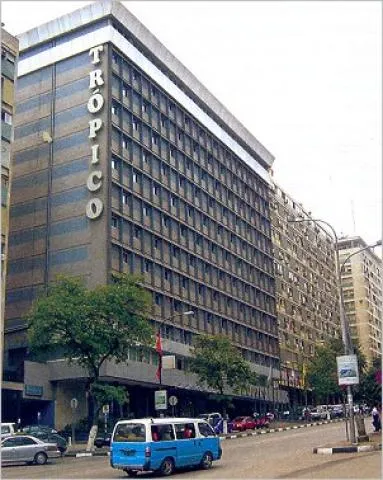
Luanda is described as a massive, overcrowded and incredibly expensive capital. Hotels listed as world class include the Tropico, the Alvalade, Le President Meridien, the Continental, the Skyna, the Epic Sana and the Palm Beach3.
UK advice in 2026 says not to walk around Luanda, especially alone or after dark, and not to walk between bars and restaurants on the Ilha do Cabo2, and to lock valuables and cash away at the hotel where practical. Have your contact collect you from the airport and arrange transport in advance4, for example through your hotel or a travel organisation, as Dutch advice from 2026 recommends.
Mussulo is a peninsula in the south of Luanda Province, about 30 km long5, and a favourite beach for Luandans with huts and restaurants on the bay side. The outer Atlantic beach is hardly visited because of the strong current and high waves.
Bases outside the capital
Benguela is called the most tourist-friendly city in Angola, by the country’s best beaches, and Lobito is a beachfront city that is basically part of it. Further south, Lubango is a good base for the mountainous escarpment, and Namibe is the jumping-off point for Iona National Park. Iona, the largest park in the country, is about 200 kilometres1 from the city of Moçâmedes, and it is accessible but short on infrastructure. Inland, Malanje is a destination for its proximity to Kalandula Falls3, Pungo Andongo and Cangandala National Park.
Kissama National Park is described as Angola’s most accessible park, near Luanda, with accommodations for tourists3. The park is approximately 70 km from Luanda6.
Between bases, travelling at night2 is best avoided where possible, UK advice in 2026 warns, citing poor road conditions, limited street lighting and reduced access to help in an emergency.
Paying for your room
The standard VAT rate in Angola is 14% as of 2026. A reduced rate of 7%7 applies to hotel and restaurant services, provided the business registers its real estate and vehicles in the company’s name, issues invoices electronically and submits all its tax returns.
Credit card use is limited4, Dutch advice in 2026 says, and only Visa is accepted; you cannot pay with euros or US dollars, although you can exchange them for kwanzas at the airport, in hotels or at official exchange offices. Most restaurants and small hotels accept only Angolan payment cards and cash3, not foreign cards.
Provinces to avoid
The UK advises against all but essential travel, as of 2026, to Cabinda Province, except Cabinda city, and to within 1 km of the DRC border in Lunda Norte, except for official border crossings and their access roads. For the rest of Lunda Norte and Lunda Sul8, it advises against travelling unless absolutely necessary, and it warns that transport and accommodation are extremely limited outside Luanda.
Practical tips
- Keep a certified copy of your passport’s photo page in a separate place2.
- Outside Luanda and the provincial capitals, take your original documents2 with you, packed as securely as you can.
- During demonstrations, Dutch advice suggests following the local media or asking your hotel4 for information.