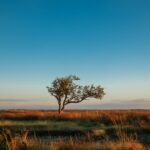
Discover the Wonders of Madagascar: Fort Dauphin’s Berenty Reserve, a Sanctuary of Lemurs, Sifakas, and Enchanting Flora
“Discover the Wonders of Madagascar: Fort Dauphin’s Berenty Reserve, a Sanctuary of Lemurs, Sifakas, and Enchanting Flora”
Exploring Madagascar: Fort Dauphin and the Enchanting Berenty Reserve
Madagascar, an island in the Indian Ocean, is often referred to as the “eighth continent” due to its exceptional biodiversity and unique flora and fauna. This biodiversity hotspot is home to many species that are found nowhere else on Earth, making it a paradise for wildlife enthusiasts and nature lovers alike. One of the best places to experience Madagascar’s extraordinary wildlife is Fort Dauphin, a charming coastal town with a rich colonial history that serves as a gateway to the incredible Berenty Reserve.
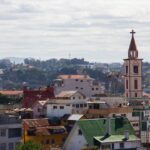
Fort Dauphin, also known as Tôlanaro, is located on the southeastern coast of Madagascar and is surrounded by picturesque beaches, lush rainforests, and towering mountains. This idyllic setting makes Fort Dauphin an excellent destination for those seeking the best of what Madagascar has to offer, from sun-drenched beaches to intriguing wildlife. The town itself has a laid-back atmosphere, with friendly locals and French colonial architecture that reflects its history as a French settlement in the 17th century. Visitors to Fort Dauphin can enjoy leisurely strolls around the town, soaking in the views of the Indian Ocean and the verdant mountains.
While Fort Dauphin itself is a delightful destination, it is the nearby Berenty Reserve that truly draws visitors to this part of Madagascar. Berenty Reserve is a privately-owned wildlife reserve encompassing 1,000 hectares of gallery forest and spiny forest habitats, which are unique to southern Madagascar. Established in the 1930s by the de Heaulme family to protect the region’s flora and fauna, the reserve has since become a renowned destination for its exceptional wildlife viewing opportunities.
The star attraction of Berenty Reserve is undoubtedly its population of ring-tailed lemurs and sifakas. Madagascar is home to more than 100 species of lemurs, which are a type of primate found only on this island. Lemurs are known for their striking eyes and bushy tails, and they are often seen as the emblem of Madagascar’s unique biodiversity. Berenty Reserve boasts a healthy population of ring-tailed lemurs, which are easily recognizable by their black-and-white-striped tails. These social animals can often be seen sunbathing on the forest floor or leaping between trees in search of food.
In addition to ring-tailed lemurs, Berenty Reserve is also home to several species of sifakas, which are another type of lemur. Sifakas are larger than ring-tailed lemurs and are known for their distinct leaping style, which involves bounding sideways across the forest floor with their arms outstretched. The most commonly seen sifaka in Berenty Reserve is the Verreaux’s sifaka, which has a white coat with a dark face and a bushy tail. These elegant creatures are a joy to watch as they gracefully navigate the treetops, and visitors to Berenty Reserve can often observe them up close.
While the lemurs and sifakas are undoubtedly the main attraction at Berenty Reserve, the reserve is also home to a wide variety of other wildlife species. Birdwatchers will be delighted by the numerous endemic bird species found in the reserve, including the Madagascar paradise flycatcher, the giant coua, and the Madagascar hoopoe. Reptile enthusiasts can also spot several species of chameleons, geckos, and snakes, many of which are unique to Madagascar.
Aside from its fantastic wildlife, Berenty Reserve is also known for its unique flora, which is an essential part of the reserve’s diverse ecosystem. The spiny forest is a particularly fascinating habitat, characterized by strange, thorny plants that have adapted to the region’s dry conditions. Some of these plants, such as the iconic octopus tree and the bizarre Pachypodium plants, can only be found in southern Madagascar, making a visit to Berenty Reserve a truly unique experience. The gallery forest, on the other hand, offers a more lush and verdant environment, with tall, shady trees providing a welcome respite from the sun.
One of the most enjoyable ways to explore Berenty Reserve is by taking a guided walk through the forest. Knowledgeable guides can lead visitors along well-maintained trails, providing fascinating insights into the reserve’s flora and fauna along the way. These walks offer ample opportunities to spot lemurs, sifakas, and other wildlife, as well as to learn about the local plants and their traditional uses. For those looking for a more immersive experience, Berenty Reserve also offers nighttime walks, during which visitors can discover the reserve’s nocturnal wildlife, such as mouse lemurs, chameleons, and owls.
In addition to wildlife viewing and guided walks, Berenty Reserve also offers visitors the chance to learn about the local Antandroy culture. The reserve is situated on ancestral Antandroy land, and the local community has been closely involved in the reserve’s conservation efforts. Visitors can witness traditional Antandroy dances and music performances, as well as visit the small museum on-site, which showcases artifacts and information about the local culture and history.
To make the most of a visit to Berenty Reserve, it is advisable to stay at one of the comfortable lodges located within the reserve. These lodges offer a range of accommodations, from simple bungalows to more luxurious rooms, all of which are designed to blend in with the natural environment. Staying within the reserve allows visitors easy access to the wildlife and walking trails, as well as the chance to relax and enjoy the tranquil surroundings after a day of exploring.
In conclusion, Madagascar’s Fort Dauphin and the Berenty Reserve offer an unforgettable experience for anyone seeking to discover the unique flora and fauna of this incredible island. With its unparalleled wildlife encounters, fascinating cultural experiences, and stunning landscapes, a visit to Berenty Reserve should be at the top of any nature lover’s bucket list.