ROAMOPEDIA
Kirindy Forest
Morondava & Kirindy Forest: Discover Madagascar’s Hidden Treasure of Diverse Wildlife and Enchanting Dry Deciduous Reserves
Morondava & Kirindy Forest: Discover Madagascar’s Hidden Treasure of Diverse Wildlife and Enchanting Dry Deciduous Reserves”

Exploring Madagascar: Discovering Morondava and Kirindy Forest

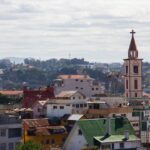
Madagascar, an island nation located off the southeastern coast of Africa, is a land of stunning beauty and unparalleled biodiversity. The country’s diverse ecosystems, which range from lush rainforests to arid deserts, are home to countless species of plants and animals, many of which are found nowhere else on Earth. Among the numerous natural wonders that can be found in Madagascar is Morondava, a coastal town that serves as the gateway to the enchanting Kirindy Forest.

Morondava is situated along the Mozambique Channel, on the western side of Madagascar. This charming town is known for its laid-back atmosphere, friendly locals, and beautiful beaches that stretch for miles. The warm, azure waters that lap at Morondava’s coastline are perfect for swimming and snorkeling, making it an idyllic destination for those seeking a tranquil escape from the hustle and bustle of daily life. Additionally, the town’s proximity to Kirindy Forest makes it an ideal base for exploring the unique flora and fauna of this remarkable dry deciduous forest reserve.

A visit to Kirindy Forest is an absolute must for anyone traveling to Madagascar. Located just over 40 miles north of Morondava, this privately managed reserve encompasses roughly 100 square miles of pristine wilderness. Kirindy Forest is a dry deciduous forest, which means that it experiences a distinct dry season during which the trees shed their leaves to conserve water. This seasonality lends the forest a unique appearance, with the landscape taking on an almost otherworldly quality as the trees’ bare branches cast eerie shadows on the forest floor.

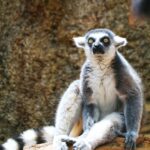
Kirindy Forest’s unusual environment supports an incredible diversity of wildlife, including a number of species that are endemic to Madagascar. Perhaps the most iconic inhabitants of the forest are the lemurs, a group of primates that are found only on this island nation. Kirindy Forest is home to seven different species of lemur, including the red-fronted brown lemur, the Verreaux’s sifaka, and the tiny gray mouse lemur. These captivating creatures are known for their expressive faces, agile movements, and social nature, making them a delight to observe in their natural habitat.

In addition to lemurs, Kirindy Forest is also home to an elusive and enigmatic predator known as the fossa. The largest carnivore native to Madagascar, the fossa is a cat-like creature that is closely related to the mongoose. With its sleek body, retractable claws, and powerful jaws, the fossa is an expert hunter that is well adapted to life in the forest. Although sightings of these elusive animals are rare, the possibility of catching a glimpse of a fossa in the wild is an exciting prospect for any wildlife enthusiast.

Another fascinating inhabitant of Kirindy Forest is the giant jumping rat, a nocturnal rodent that is endemic to western Madagascar. This curious creature is characterized by its large size, powerful hind legs, and distinctive hopping gait. Although the giant jumping rat may not be as charismatic as the lemurs or the fossa, it plays a vital role in the forest ecosystem by helping to disperse seeds and maintain the health of the forest floor.

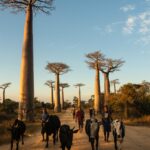
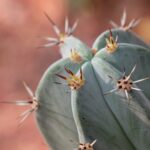
As one explores the diverse and beautiful landscape of Kirindy Forest, it becomes apparent that this dry deciduous forest reserve is not only home to a variety of lemurs, fossas, and other unique wildlife, but also a wide array of plant species. The forest’s trees and shrubs, many of which are endemic to Madagascar, provide vital habitat and food resources for the reserve’s animal inhabitants. Some of the most notable plant species found in Kirindy Forest include the baobab, a tree with a distinctive swollen trunk and branches that can store water to survive the dry season, and the spiny forest plants, which are characterized by their sharp thorns and succulent leaves.

In order to fully appreciate the wonders of Kirindy Forest, a guided tour with an experienced local guide is highly recommended. These knowledgeable individuals can share fascinating insights into the forest’s unique ecology and help visitors to spot and identify the many species of wildlife that call the reserve home. A guided tour also offers the opportunity to learn about the conservation efforts that are being undertaken to protect this fragile ecosystem and the challenges that it faces.

One such challenge is the ongoing threat of deforestation, driven by the need for agricultural land and the harvesting of timber for construction and charcoal production. This loss of habitat has led to the decline of many species native to western Madagascar, including the lemurs, fossas, and giant jumping rats found in Kirindy Forest. The reserve’s management, in collaboration with local and international conservation organizations, is working tirelessly to protect the forest’s remaining habitat and promote sustainable livelihoods for the communities that live in and around the reserve.

Another threat facing Kirindy Forest and its wildlife is the illegal pet trade. Lemurs, in particular, are highly sought after as exotic pets, with many being captured and sold to buyers around the world. This practice not only contributes to the decline of lemur populations in the wild, but also results in untold suffering for the animals themselves, as they are often subjected to inhumane conditions and inadequate care. Conservation organizations and law enforcement agencies are working together to combat this illegal trade and raise awareness about the importance of protecting Madagascar’s unique wildlife.

Despite these challenges, Kirindy Forest remains a haven for the diverse array of species that call it home. As visitors wander through this enchanting landscape, they can’t help but be captivated by the beauty and mystery of the dry deciduous forest and the unique creatures that inhabit it. By taking the time to explore this remarkable reserve and learn about the conservation efforts being undertaken to protect it, visitors can gain a deeper appreciation for the incredible biodiversity of Madagascar and the urgent need to safeguard its natural treasures for future generations to enjoy.

  • Print
  • +-
    Font Size