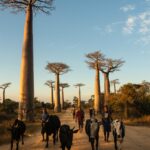
Isalo National Park: Sandstone Wonders, Canyon Depths, and Wildlife Encounters Awaiting
“Isalo National Park: Sandstone Wonders, Canyon Depths, and Wildlife Encounters Awaiting”
Discovering Madagascar: Isalo National Park’s Unique Sandstone Formations
Madagascar, an island country in the Indian Ocean off the southeastern coast of Africa, is a land of fascinating biodiversity and unique geological formations. The island is home to thousands of plant and animal species that cannot be found anywhere else on Earth, such as the iconic ring-tailed lemur. One of the most stunning examples of Madagascar’s natural beauty is Isalo National Park, a protected area in the southwestern part of the island that features unique sandstone formations, deep canyons, and diverse wildlife.
Isalo National Park was established in 1962 and covers an area of 815 square kilometers (315 square miles). It is located in the Ihorombe region of Madagascar, about 700 kilometers (435 miles) southwest of the capital city, Antananarivo. The park is characterized by its unique sandstone massif that has been sculpted over millions of years by wind and water erosion into remarkable formations. These rock formations are not only visually stunning but also provide a unique habitat for the many species of plants and animals that call the park home.
The landscape of Isalo National Park is incredibly diverse, ranging from vast expanses of grassland to dense forests and deep canyons. The park is surrounded by a plateau that rises to an altitude of 1,200 meters (3,937 feet) above sea level, with the highest peak, Mount Isalo, reaching 1,260 meters (4,134 feet). This varied terrain results in different microclimates, which support the growth of a wide range of vegetation types and create habitats for many different species of wildlife.
Isalo National Park is home to over 80 species of birds, 35 species of reptiles, and 14 species of mammals, including several species of lemurs. Some of the more commonly spotted lemurs in the park include the ring-tailed lemur, Verreaux’s sifaka, and the red-fronted brown lemur. These charming primates are often observed leaping through the trees or sunbathing on the sandstone formations, making them a highlight of any visit to the park.
Among the reptiles found in Isalo National Park are the iconic radiated tortoise, the Madagascar ground boa, and several species of chameleons, including the elusive cryptic chameleon. The park’s dense forests and canyons also provide shelter for a variety of insects and amphibians, such as the colorful painted mantella frog and the intricately patterned comet moth.
One of the main attractions of Isalo National Park is its unique flora. The park is home to over 400 species of plants, many of which are endemic to Madagascar. Among these endemic species are the iconic elephant’s foot plant (Pachypodium rosulatum) and several species of aloes, such as the striking Aloe isaloensis. The park’s vegetation varies greatly depending on the altitude and location within the park, ranging from dense forests in the canyons to sparse grasslands on the plateau.
The unique sandstone formations of Isalo National Park are not only visually captivating but also hold great cultural significance for the local Bara people. The Bara people, an ethnic group that inhabits the area surrounding the park, have lived in harmony with the land for generations and consider the sandstone massif to be sacred. These ancient rocks hold the tombs of their ancestors, which are hidden in the many crevices and caves that can be found throughout the park. Visitors to Isalo National Park can witness the intriguing marriage of natural beauty and cultural heritage by exploring the park’s many caves and grottoes, some of which contain the remains of ancient Bara tombs.
One of the most popular activities for visitors to Isalo National Park is hiking. The park offers a variety of trails that cater to all fitness levels, ranging from short walks to multi-day treks. Some of the most popular trails include the Circuit of the Piscine Naturelle (Natural Swimming Pool), which leads hikers through a lush canyon to a natural pool fed by a waterfall; and the Circuit of the Makis, which offers stunning views of the sandstone massif and opportunities to spot the park’s resident lemurs.
Another popular activity in Isalo National Park is canyoning, which involves exploring the park’s many canyons by abseiling down waterfalls, swimming through natural pools, and scrambling over rocks. This exhilarating adventure allows visitors to experience the park’s diverse landscapes up close and personal while also providing opportunities to spot some of the park’s more elusive wildlife, such as the rare Benson’s rock thrush or the secretive fossa, Madagascar’s largest predator.
Isalo National Park is not only a haven for wildlife but also a popular destination for birdwatchers. The park’s diverse habitats support a wide range of bird species, many of which are endemic to Madagascar. Some of the more commonly seen birds in the park include the Madagascar hoopoe, the Madagascar bee-eater, and the crested drongo. For those with a keen eye, the park also offers the chance to spot some of the island’s more elusive avian inhabitants, such as the Madagascar sandgrouse or the Torotoroka scops owl.
Visiting Isalo National Park is truly an unforgettable experience. The stunning sandstone formations, diverse wildlife, and rich cultural heritage of the park make it a must-see destination for anyone traveling to Madagascar. Whether you’re an avid hiker, a wildlife enthusiast, or simply someone who appreciates the beauty of the natural world, Isalo National Park is sure to leave a lasting impression.