“Discover the vibrant culture of Madagascar: Embrace the unique traditions, language, and etiquette for an unforgettable travel experience.”
Related
All related contents.
Related Posts

Experience the vibrant culture and stunning beaches of Madagascar Mahajanga.
Discover Toliara’s Arboretum d’Antsokay: A Sanctuary for Madagascar’s Rare and Enchanting Flora
Anakao, Toliara: A Serene Madagascar Escape – Dive into Paradise at this Picturesque Fishing Village

Discover Nosy Be: Lokobe Nature Reserve – A Tropical Wonderland of Lush Forests, Rare Wildlife, and Unspoiled Beaches.

Discover Diego Suarez: Experience Madagascar’s Amber Mountain National Park, where enchanting waterfalls, volcanic lakes, and vibrant wildlife await.
Antsiranana’s Tsingy Rouge Park: A breathtaking geological masterpiece painted in red.
Discover the natural and cultural wonders of Antsiranana, Madagascar’s hidden gem.

Discover Ifaty’s Reniala Nature Reserve: A mesmerizing haven of Madagascar’s spiny forest, where extraordinary flora and fauna thrive.

Discover the Royal Legacy: Antananarivo’s Rova – A Panoramic Journey into Madagascar’s Majestic Past
Ambohimanga: Antananarivo’s Ancient Royal Gem, Unveiling the Majesty of Madagascar’s UNESCO World Heritage Site

Discover the exotic wonders of Madagascar – a paradise for nature lovers and adventure seekers.
Discover the Wonders of Madagascar: Fort Dauphin’s Berenty Reserve, a Sanctuary of Lemurs, Sifakas, and Enchanting Flora
Experience the beauty and culture of Toliara, Madagascar’s vibrant coastal gem.
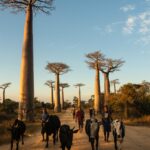
Morondava’s Avenue of the Baobabs: Travel through time among ancient giants in a truly awe-inspiring landscape.
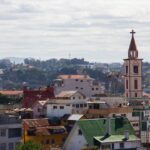
Discover the cultural heart of Madagascar in Antananarivo’s bustling markets and historic landmarks.
Discover the charm of Fianarantsoa, where culture and nature come together in perfect harmony.
Toamasina: Where city and nature meet in Madagascar.

Antsirabe: Soak in the warmth of its thermal springs and vibrant culture.

Morondava & Kirindy Forest: Discover Madagascar’s Hidden Treasure of Diverse Wildlife and Enchanting Dry Deciduous Reserves

Discover Andasibe-Mantadia National Park: A Sanctuary for Indri Lemurs and Nature’s Masterpieces

Discover the natural wonders of Taolagnaro, Madagascar’s hidden gem.

Discover the enchanting beauty of Morondava, Madagascar’s hidden gem.

Discover Serenity: Unwind in the Island Paradise of Ile Sainte Marie and Ile aux Nattes, Where White Sands, Crystal Waters, and Vibrant Marine Life Await.

Antananarivo’s Lemurs’ Park: Discover Madagascar’s Pristine Beauty and Befriend Its Iconic Wildlife

Discover the natural wonders of Madagascar’s Nosy Be – a tropical paradise for beach lovers and wildlife enthusiasts alike.