ROAMOPEDIA
Meknes
Discover the enchanting history and beauty of Meknes, Morocco’s hidden gem.
“Discover the enchanting history and beauty of Meknes, Morocco’s hidden gem.”

Meknes

Morocco is a country rich in culture and history, and one of the best places to explore this is in the imperial city of Meknes. Located in the northern part of the country, Meknes is a UNESCO World Heritage Site and is often referred to as the “Versailles of Morocco”. It was once the capital of the country during the 17th century and was built by the powerful ruler, Moulay Ismail.

One of the most impressive sights in Meknes is the Bab Mansour gate. This grand entrance to the city was built in the 18th century and is still standing strong today. The intricate designs and patterns on the gate are a testament to the skilled craftsmanship of the time. The gate is also a popular spot for taking photos, and you’ll often see tourists posing in front of it.

Another must-see attraction in Meknes is the Mausoleum of Moulay Ismail. This impressive structure is the final resting place of the city’s founder and is one of the most important religious sites in Morocco. The mausoleum is beautifully decorated with intricate tile work and ornate carvings. Visitors are allowed to enter the mausoleum, but you’ll need to dress modestly and remove your shoes before entering.

If you’re interested in history, a visit to the Dar Jamai Museum is a must. The museum is housed in a beautiful 19th-century palace and showcases a collection of Moroccan art and artifacts. You’ll find everything from traditional clothing and jewelry to pottery and ceramics. The museum is a great place to learn about the history and culture of Morocco.

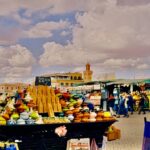
For a taste of the local cuisine, head to the Meknes Medina. This bustling market is a maze of narrow streets and alleys, and it’s full of food stalls selling everything from fresh fruit and vegetables to grilled meat and fish. It’s a great place to sample some of the local specialties, such as tagine and couscous. You’ll also find plenty of souvenirs and handicrafts for sale in the market, so it’s a great place to do some shopping.

One of the most unique attractions in Meknes is the underground prison, known as the Heri es-Souani. This massive structure was built by Moulay Ismail to store grain and other supplies. The prison is made up of a series of underground chambers, and it’s an eerie and fascinating place to explore. You’ll need a guide to take you through the prison, as it’s easy to get lost in the maze of tunnels.

Finally, if you’re looking for a bit of relaxation, head to the Agdal Basin. This large artificial lake is located just outside the city walls and is a popular spot for picnics and boat rides. You can rent a paddleboat or rowboat and spend a few hours exploring the tranquil waters. It’s a great way to escape the hustle and bustle of the city and enjoy some peace and quiet.

Meknes is a fascinating city with a rich history and culture. From the grand Bab Mansour gate to the eerie Heri es-Souani prison, there’s something for everyone in this imperial city. So if you’re planning a trip to Morocco, be sure to add Meknes to your itinerary.

Bab Mansour

Meknes is a city located in northern Morocco, known for its rich history and stunning architecture. One of the most impressive landmarks in the city is Bab Mansour, a beautiful gateway that leads to the heart of the imperial city.

As you approach Bab Mansour, you’ll be struck by its size and grandeur. The gateway is made of intricately carved marble and features stunning mosaics and tilework. It was built in the 18th century and is considered one of the most impressive examples of Moroccan architecture.

Once you pass through Bab Mansour, you’ll find yourself in the heart of the imperial city. This area is filled with narrow streets, bustling markets, and ancient buildings that give a glimpse into Morocco’s rich cultural heritage.

One of the most impressive buildings in the imperial city is the Royal Palace. This sprawling complex is home to the current king of Morocco and is closed to the public, but visitors can still admire its stunning architecture from the outside. The palace features intricate tilework, elaborate arches, and towering walls that are sure to leave a lasting impression.

Another must-see attraction in Meknes is the Mausoleum of Moulay Ismail. This beautiful building houses the tomb of Moulay Ismail, who was a powerful sultan that ruled over Morocco in the 17th century. The mausoleum features stunning tilework, intricate carvings, and beautiful gardens that are perfect for a peaceful stroll.

If you’re interested in learning more about Moroccan history and culture, be sure to visit the Dar Jamai Museum. This museum is housed in a beautiful 19th-century palace and features a wide range of exhibits that showcase the country’s rich heritage. From traditional clothing and jewelry to ancient manuscripts and pottery, there’s something for everyone at this fascinating museum.

Of course, no visit to Meknes would be complete without sampling the local cuisine. The city is known for its delicious street food, including grilled meats, savory pastries, and sweet treats like honey-soaked pastries and almond cookies. Be sure to visit the bustling markets in the imperial city to sample some of the best food the city has to offer.

Meknes is a city that is rich in history, culture, and stunning architecture. Whether you’re interested in exploring ancient buildings, sampling delicious food, or learning more about Moroccan history, there’s something for everyone in this beautiful city. And with Bab Mansour serving as the gateway to the imperial city, you’re sure to be struck by the beauty and grandeur of this amazing destination.

Dar Jamai Museum

Meknes, one of Morocco’s imperial cities, is a fascinating destination for those interested in history, culture, and architecture. Located in the north-central part of the country, Meknes is known for its impressive monuments, beautiful gardens, and bustling souks. One of the must-visit attractions in Meknes is the Dar Jamai Museum, which offers a glimpse into the city’s rich heritage.

The Dar Jamai Museum is housed in a magnificent 19th-century palace that was built by Si Mohammed ben Abdallah, the sultan of Morocco at the time. The palace was later acquired by the Jamai family, who lived there until the mid-20th century. In 1920, the palace was converted into a museum, and it has been open to the public ever since.

Visitors to the Dar Jamai Museum will be impressed by the palace’s stunning architecture and intricate decorations. The palace features a central courtyard with a beautiful fountain, surrounded by ornate galleries and rooms. The walls are adorned with colorful mosaics, intricate plasterwork, and carved wood panels. The museum’s collection includes a wide variety of artifacts, including ceramics, textiles, jewelry, and weapons, which offer insight into Morocco’s rich cultural heritage.

One of the highlights of the Dar Jamai Museum is its collection of traditional Moroccan costumes. Visitors can see examples of the elaborate clothing worn by women in different regions of the country, including the brightly colored kaftans and headscarves that are still popular today. The museum also has a collection of traditional musical instruments, which visitors can hear being played during special performances.

Another interesting feature of the Dar Jamai Museum is its collection of Islamic art. The museum’s galleries display a range of objects, including beautiful calligraphy, intricate metalwork, and intricate woodcarvings. Visitors can learn about the different styles and techniques used in Islamic art and see examples from different periods and regions.

In addition to its impressive collection of artifacts, the Dar Jamai Museum also offers a glimpse into the daily life of the Jamai family, who lived in the palace for many years. Visitors can see the family’s private quarters, including their bedrooms and sitting rooms, as well as the kitchen and dining areas. The museum also has a beautiful garden, which is a peaceful oasis in the midst of the bustling city.

Overall, a visit to the Dar Jamai Museum is a must for anyone interested in Moroccan history and culture. The palace’s stunning architecture and beautiful decorations are sure to impress, and the museum’s collection of artifacts and exhibits offer a fascinating glimpse into the country’s rich heritage. Whether you’re a history buff, an art lover, or simply looking for an interesting way to spend an afternoon, the Dar Jamai Museum is well worth a visit.

Mausoleum of Moulay Ismail

Meknes, one of Morocco’s four imperial cities, is a must-visit destination for anyone interested in history, architecture, and culture. This ancient city, located in the heart of the country, boasts numerous attractions that showcase its rich past and vibrant present. One of the most impressive sites in Meknes is the Mausoleum of Moulay Ismail, a magnificent structure that reflects the grandeur and power of the Moroccan monarchy.

The Mausoleum of Moulay Ismail is a mausoleum complex located in the heart of Meknes’ medina. It was built in the 18th century to house the tomb of Moulay Ismail, one of the most powerful sultans in Moroccan history. Moulay Ismail ruled Morocco from 1672 to 1727 and is known for his military conquests, ambitious building projects, and lavish lifestyle. He was also a patron of the arts and sciences and is credited with promoting the development of Moroccan culture during his reign.

The mausoleum complex is a masterpiece of Moroccan architecture and design. It consists of a series of courtyards, gardens, and buildings that are arranged around the central tomb chamber. The entrance to the complex is marked by a massive gate that is covered in intricate tilework and carvings. Inside, visitors are greeted by a stunning courtyard that is surrounded by ornate buildings and fountains. The courtyard is filled with fragrant flowers and plants, and the sound of running water creates a peaceful and serene atmosphere.

The main attraction of the complex is the tomb chamber, which is located at the center of the complex. The tomb is made of white marble and is decorated with intricate carvings and calligraphy. The walls of the chamber are covered in colorful tilework and mosaics, and the ceiling is adorned with gold leaf and intricate plasterwork. The tomb is surrounded by a metal grille that is decorated with floral motifs and geometric patterns. Visitors are not allowed to enter the tomb chamber, but they can view it from a platform that overlooks the chamber.

In addition to the tomb chamber, the Mausoleum of Moulay Ismail also houses a mosque, a madrasa, and a library. These buildings are decorated with the same intricate tilework and carvings as the rest of the complex and provide a glimpse into the religious and intellectual life of Morocco during Moulay Ismail’s reign.

Visiting the Mausoleum of Moulay Ismail is a unique and unforgettable experience. The complex is a testament to the artistic and architectural achievements of the Moroccan people and provides a window into the country’s rich cultural heritage. Whether you are interested in history, architecture, or religion, the Mausoleum of Moulay Ismail is a must-see attraction that should not be missed. So, if you are planning a trip to Morocco, be sure to add Meknes to your itinerary and explore this imperial city’s many wonders, including the magnificent Mausoleum of Moulay Ismail.

Bou Inania Madrasa

Located in the heart of Morocco, Meknes is a city rich in history and culture. Known as the Imperial City, Meknes was once the capital of Morocco and is now a UNESCO World Heritage Site. One of the most stunning attractions in Meknes is the Bou Inania Madrasa.

The Bou Inania Madrasa is a religious school that was built in the 14th century. It was constructed under the reign of Sultan Abu Inan Faris and is considered to be one of the most beautiful examples of Islamic architecture in Morocco. The madrasa is located in the heart of the old medina and is easily accessible by foot.

As you enter the madrasa, you will be struck by the intricate tile work and ornate carvings that cover the walls and ceilings. The central courtyard is surrounded by a series of small rooms that were once used as student dormitories. Each room is decorated with its own unique set of tiles and carvings, making it a feast for the eyes.

One of the most impressive features of the Bou Inania Madrasa is the prayer hall. This space is adorned with beautiful calligraphy and intricate geometric patterns that are typical of Islamic art. The mihrab, or prayer niche, is particularly stunning. It is decorated with a series of carved arches that frame a central panel of tiles. The mihrab is the focal point of the prayer hall and is where the imam leads the congregation in prayer.

In addition to its beautiful architecture, the Bou Inania Madrasa also has a rich history. It was used as a religious school until the 20th century and is now a popular tourist attraction. The madrasa has undergone several restorations over the years to ensure that it remains in excellent condition.

When visiting the Bou Inania Madrasa, it is important to respect the religious significance of the site. Visitors should dress modestly and remove their shoes before entering the prayer hall. It is also important to be respectful of other visitors and to avoid making noise or taking flash photography.

Overall, the Bou Inania Madrasa is a must-see attraction for anyone visiting Meknes. Its stunning architecture and rich history make it one of the most impressive religious sites in Morocco. Whether you are interested in Islamic art or simply want to soak up the atmosphere of this beautiful city, the Bou Inania Madrasa is sure to leave a lasting impression.

  • Print
  • +-
    Font Size