ROAMOPEDIA
Mausoleum of Moulay Ismail
Discover the Serenity and Majesty: Moulay Ismail Mausoleum in Meknes, Morocco – Where History Meets Tranquility
“Discover the Serenity and Majesty: Moulay Ismail Mausoleum in Meknes, Morocco – Where History Meets Tranquility”
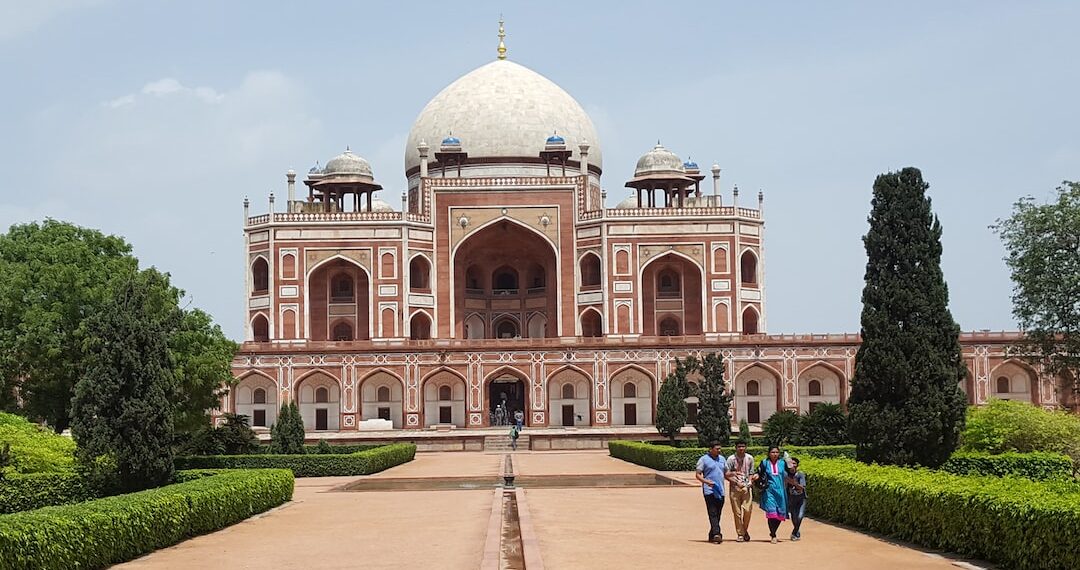
Morocco’s Magnificent Meknes: Discovering the Mausoleum of Moulay Ismail

Nestled in the heart of the ancient city of Meknes in Morocco, lies a hidden gem of magnificent architecture and a serene resting place – the Mausoleum of Moulay Ismail. This beautiful and tranquil sanctuary is the final resting place of one of Morocco’s most powerful Sultans, Moulay Ismail, who reigned between 1672 and 1727. Known for his ambitious building projects, ruthless rule, and expansion of the Moroccan Empire, Moulay Ismail left an indelible mark on Moroccan history. Today, his mausoleum stands as a testament to his legacy and a place of peace and reflection for visitors from all over the world.

Approaching the mausoleum, one cannot help but be struck by the beauty of its surroundings. The entrance is located within a quiet and serene square, away from the hustle and bustle of the busy city. The square is lined with tall, slender palm trees that gently sway in the breeze, casting dappled shadows on the ground below. As you walk closer, you begin to notice the intricate details of the mausoleum’s architecture, hinting at the wonders that lie within.

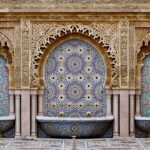
The outer walls of the mausoleum are adorned with exquisite zellij tiles, a traditional Moroccan form of tilework that is both intricate and mesmerizing. The zellij tiles showcase a stunning array of geometric patterns and designs, reflecting the artistry and craftsmanship of the period. The tiles are laid in an interlocking pattern, creating a harmonious and visually appealing display. The walls also feature decorative plasterwork, known as stucco, which showcases floral and geometric motifs that are characteristic of Moroccan architecture.

Passing through the grand entrance, you are greeted by a peaceful and immaculately maintained courtyard garden. This serene oasis offers a stark contrast to the bustling city outside, providing a space for quiet contemplation and reflection. The garden is home to a diverse range of flora, from fragrant orange trees to vibrant bougainvillea, which thrive in the warm Moroccan climate. The sweet scent of orange blossoms fills the air, while the soothing sound of a central fountain provides a calming ambiance.

As you meander through the garden, you are led to the entrance of the mausoleum itself, which is flanked by two tall, intricately carved wooden doors. The doors showcase exceptional craftsmanship and are decorated with elaborate designs that beautifully showcase the skill of the artisans who created them. These magnificent doors provide a fitting introduction to the splendor that awaits inside the mausoleum.

Stepping inside the mausoleum, you are immediately struck by the opulence and grandeur of the space. The interior is adorned with sumptuous materials, such as marble, cedarwood, and intricate plasterwork. The walls and ceilings are covered in ornate geometric patterns, while the floors are a stunning display of zellij tilework. The mausoleum features a series of interconnected rooms, each more breathtaking than the last, culminating in the room where Moulay Ismail’s tomb is located.

The tomb itself is a grand and imposing structure, draped in rich textiles and adorned with decorative elements that symbolize the wealth and power of Moulay Ismail. The room housing the tomb is dimly lit, with soft light filtering through the intricately carved latticework windows, creating an ethereal atmosphere. As you stand before the tomb, you cannot help but feel a sense of awe and reverence for the man who once ruled this great kingdom.

Despite its grandeur and opulence, the mausoleum also exudes an air of tranquility and serenity. The soft sounds of prayers and chants emanating from the nearby mosque provide a soothing soundtrack, while the gentle rustle of leaves in the courtyard garden can be heard in the distance. As you wander through the various rooms and courtyards, it is easy to become lost in the beauty and stillness of this sacred space.

Perhaps one of the most striking features of the Mausoleum of Moulay Ismail is the level of detail and craftsmanship that is evident throughout the complex. From the intricate zellij tilework to the delicate stucco motifs, the mausoleum is a veritable showcase of traditional Moroccan artistry. It is a testament to the skill and dedication of the craftsmen who worked on the project, many of whom would have been part of Moulay Ismail’s extensive workforce.

In addition to its architectural and artistic splendor, the mausoleum also serves as a vital cultural and historical site for Morocco. Moulay Ismail is a key figure in Moroccan history, and his mausoleum provides a tangible link to the past. The complex also serves as a place of pilgrimage for many Moroccans, who come to pay their respects to the powerful Sultan and seek his blessings.

As you leave the Mausoleum of Moulay Ismail and step back into the bustling streets of Meknes, you cannot help but feel a sense of wonder at the beauty and serenity you have just experienced. The mausoleum stands as a testament to the power and legacy of Moulay Ismail, a reminder of the rich history and culture that permeates every corner of Morocco. For those who have the opportunity to visit this extraordinary site, it is an experience that will not soon be forgotten.

  • Print
  • +-
    Font Size