“Stay healthy while exploring Morocco: Important vaccinations and health precautions to consider before your trip.”

Related
All related contents.
Related Posts
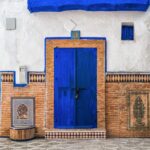
Asilah Medina: Where Art Meets the Sea in a Timeless Coastal Haven
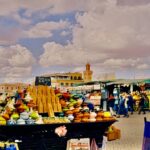
Experience the vibrant heart of Marrakech at Jamaa el Fna – where culture, cuisine, and commerce collide.

Discover the Serenity and Majesty: Moulay Ismail Mausoleum in Meknes, Morocco – Where History Meets Tranquility
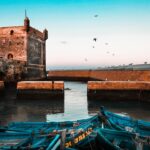
Explore the vibrant culture and stunning architecture of Morocco’s Essaouira.

Step into the cinematic magic of Ouarzazate’s Atlas Film Studios – the legendary stage for Hollywood’s epic masterpieces!

The Magic of Morocco: Must-See Destinations and Activities
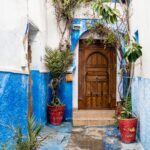
Discover the enchanting Kasbah of the Udayas: a timeless fortress, where history, nature, and breathtaking views unite in Rabat, Morocco.

Essaouira: Where Coastal Charm Meets Timeless Medina Magic
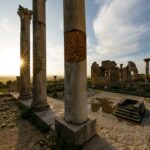
Unearth Timeless Beauty: Discover Volubilis, Morocco’s Roman Gem Amidst Mesmerizing Landscapes

Experience the magic of Morocco in Marrakech – a city of vibrant culture and stunning architecture.

Step back in time and immerse yourself in the beauty of Morocco’s historic Fes.

Discover the perfect blend of modernity and tradition in Agadir, Morocco’s vibrant beach paradise.

Explore the mystical depths of Tangier’s Caves of Hercules – where ancient legends meet breathtaking Atlantic vistas.

Discover the Magic of Morocco: Merzouga’s Sahara Desert Awaits – Journey by Camel or 4×4, Embrace Nights Beneath the Stars

Discover the enchanting history and beauty of Meknes, Morocco’s hidden gem.

Discover Marrakech’s Majorelle Garden: A Vibrant Oasis of Art and Botany by Jacques Majorelle
Ait Benhaddou: Timeless Beauty, Cinematic Legacy – Discover the Magic of Morocco’s UNESCO World Heritage Jewel
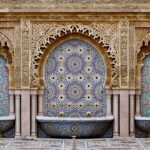
Discover the beauty and history of Rabat, Morocco’s captivating capital city.

Discover the vibrant history and breathtaking landscapes of Tangier, Morocco.
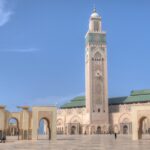
Experience the perfect blend of modernity and tradition in Casablanca, Morocco.
Unravel the timeless secrets of Fes el Bali: a labyrinth of heritage, learning, and enchanting Moroccan charm
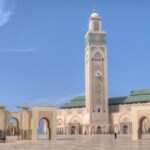
Discover Casablanca’s Hassan II Mosque: An Architectural Masterpiece Uniting Tradition and Innovation.

Discover Chefchaouen Medina: A Serene Azure Oasis Amidst the Majestic Rif Mountains
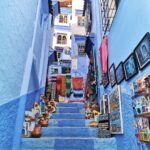
Discover the Blue Pearl of Morocco: Chefchaouen.
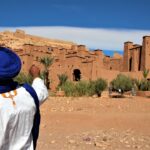
Discover the beauty of the desert in Ouarzazate, Morocco.