Contents
Zimbabwe does not publish an official survey of what tourists spend per day or per trip, so this page does not put a daily-budget figure in the facts box the way the Thailand page does. What is verified instead: which currency you will actually be paying in, the tax added to tourism services, and the specific fees (park entry, camping and the main regional visa) that make up a predictable share of any Zimbabwe trip.
Currency: two at once
Zimbabwe currently runs two currencies side by side: its own Zimbabwe Gold (ZWG), introduced in April 2024, and the US dollar1, which has circulated widely since 2016 and remains the currency most tourism businesses quote in. Hotel rates, park fees and tour prices aimed at foreign visitors are usually set in US dollars, so carrying a mix of small-denomination dollar notes is still the most reliable way to pay outside the largest hotels. ZWG is more useful for small local purchases; its exchange rate against the dollar has moved substantially since launch, so check a current rate rather than relying on one you saw before the trip.
VAT on accommodation and tourism services
Zimbabwe’s standard VAT rate rose from 15% to 15.5%2 on 1 January 2026, and it applies to accommodation and most other tourism services. Hotel and lodge rates quoted in Zimbabwe generally already include this VAT, so a published room rate should be close to what you actually pay, barring a separate service charge or local bed levy some properties add on top.
National park and Victoria Falls entry fees
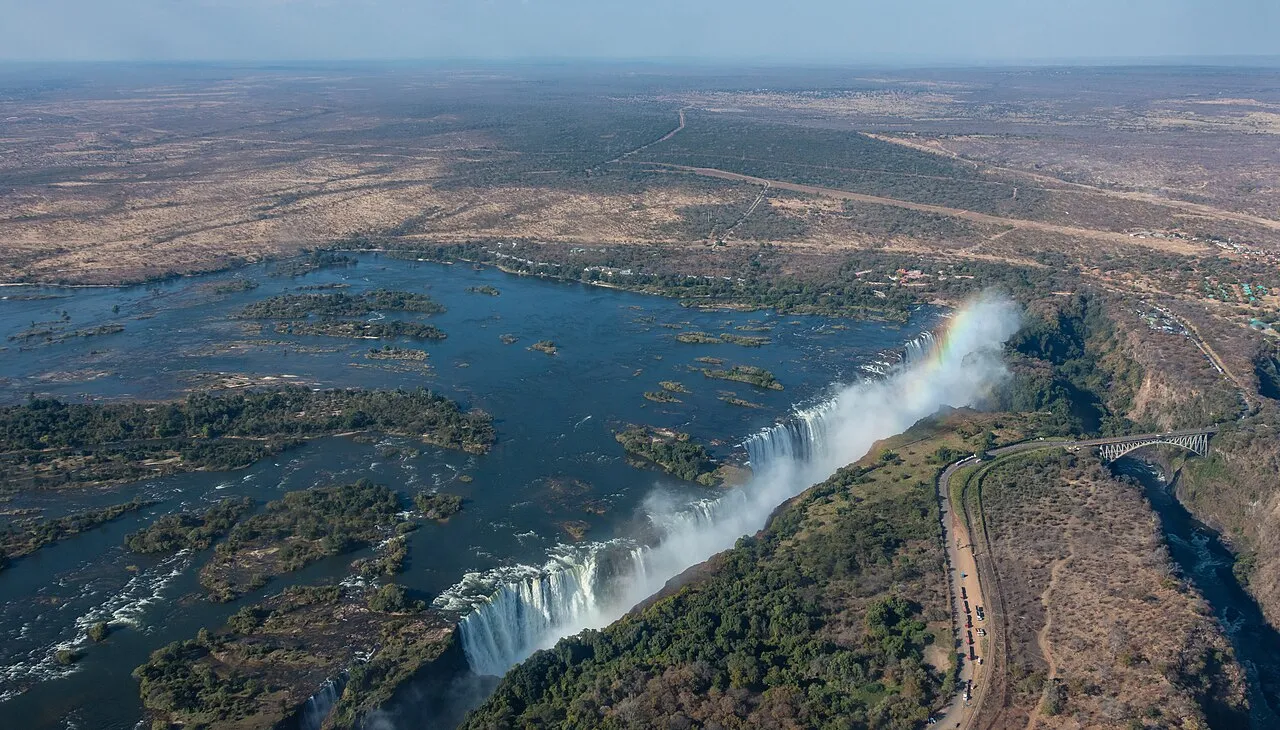
ZimParks, the national parks authority, charges foreign visitors USD 10 per person per night for a standard camping or caravan pitch at most stations, including Hwange, Matobo and Chimanimani; Mana Pools is priced differently, with its Nyamepi campsites billed per site rather than per person, from USD 100 to USD 130 for up to six people. Lodges, cottages and exclusive bush campsites cost considerably more and vary widely by park and grade. At Victoria Falls itself, the Rainforest, the walking trail along the falls’ viewpoints, costs foreign day visitors USD 50 per person3 through the ordinary gate; the quieter V.I.P. Gate is considerably more expensive, and a Moonlight Viewing slot around the full moon carries its own separate fee. These are ZimParks’ own published tariffs and the most reliable prices on this page, since they come straight from the body that sets and collects them.
Accommodation and the tourism levy
Every hotel, lodge and guesthouse operating legally in Zimbabwe must be registered with the Zimbabwe Tourism Authority (ZTA)4 under the Tourism Act; the ZTA has run a nationwide compliance push against unregistered properties since a registration deadline passed in early 2026. This matters for a visitor mainly as a quality signal rather than a direct cost: a registered property is accountable to a regulator in a way an informal one is not, which is worth checking before booking anywhere unusually cheap.
The KAZA Univisa and other visa costs
Most visitors travelling between Zimbabwe and Zambia, or adding a day trip into Botswana, can buy the KAZA Univisa for USD 50 per adult5, valid for 30 days and covering unlimited crossings between the two countries during that period, one fee instead of two separate single-entry visas. Zimbabwe’s own e-visa platform does not publish a fixed price for an ordinary single or double-entry e-visa online; its own guidance states the exact cost is confirmed only in the application’s approval response, so budget for the KAZA price as the one number that is actually public and check your own passport’s requirement and current fee directly with the platform or at the border before you travel.
Why no daily budget figure
Some other country pages on this site carry a verified daily-spend average from a national tourism survey or central bank report, the way the Thailand page does. No equivalent exists for Zimbabwe: no public body publishes a per-tourist daily-expenditure survey, so rather than estimate one, this page sticks to the fees and rates that are individually verified and updates if an official figure appears.
Practical tips
- Carry US dollars in small notes; most tourism prices are set and best paid in dollars, with ZWG more useful for small local purchases.
- Budget the ZimParks entry and camping fees per person per night, not per group, since they are charged that way at the gate.
- Buy the KAZA Univisa if your trip crosses into Zambia or adds a Botswana day trip; it replaces two separate visa fees with one.
- Treat ZTA registration as a quality check when booking an unfamiliar property, not a cost you pay directly.
What to check before you go
- The current ZWG–USD exchange rate close to your travel dates, since it has moved substantially since the currency’s 2024 launch.
- The exact e-visa fee for your passport and entry type, confirmed directly with Zimbabwe’s e-visa platform or at the border, since it is not published for single or double-entry visas.
- Current park and camping tariffs for the specific stations on your itinerary, since fees vary by park and visitor category and can change between this page’s check date and your trip.
- The current UK, Dutch and US government travel advisories, in the safety guide.