Why go
Off the east coast of Andros in The Bahamas lies a reef that the Bahamas National Trust (BNT) calls the third-longest barrier reef in the world, at over 124 miles long. Another count ranks it the sixth longest, at 225 km (140 mi)2. The Trust also calls it the third largest living organism on the planet1.
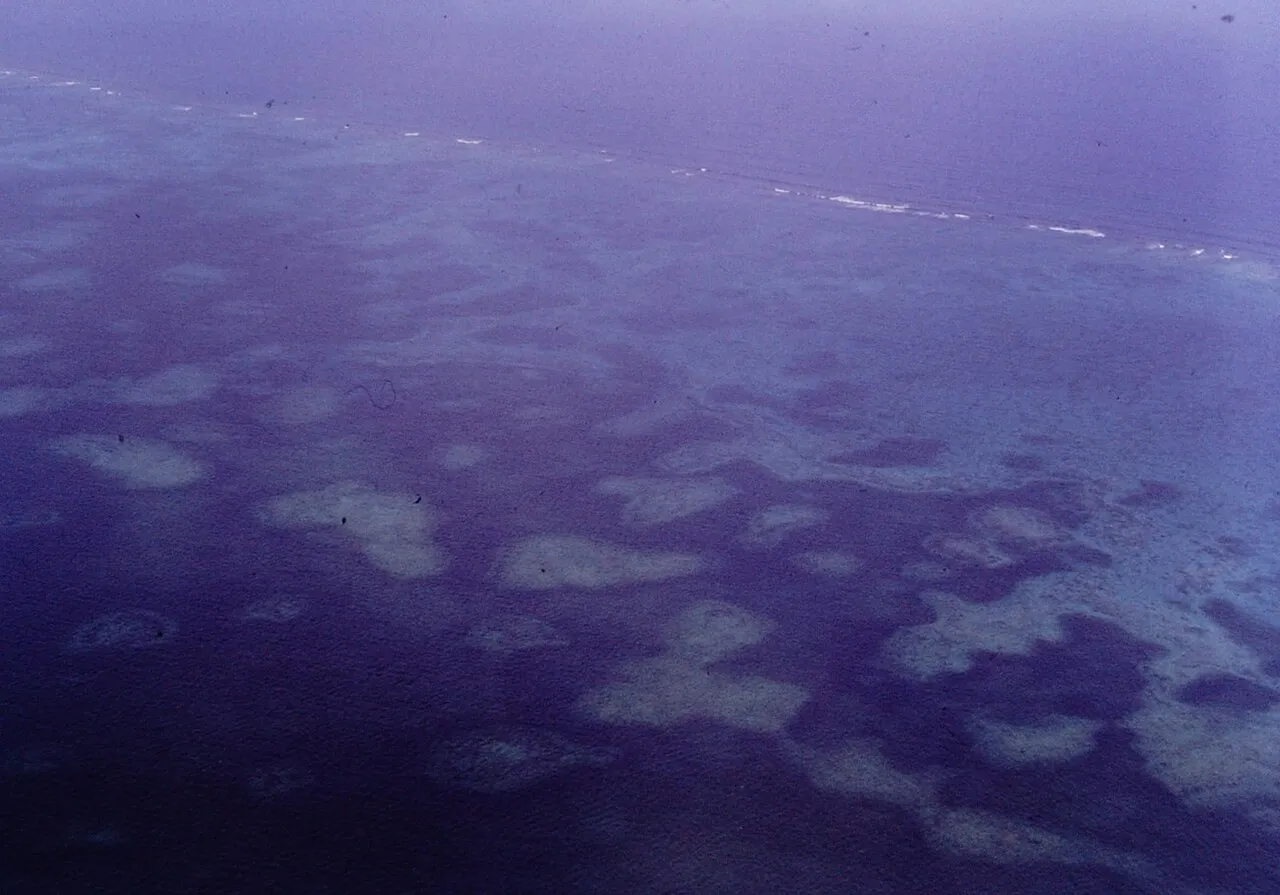
The reef runs an average of 2–3 km (1–2 mi) from the shore. To the east the island is bordered by the Tongue of the Ocean, 2,000 metres (6,600 ft) deep. Inside the reef, staghorn and elkhorn corals grow in shallows 3–6 m (10–20 ft) deep; further out the bottom deepens until, at 21 to 37 m (70 to 120 ft), “The Wall” plunges into the Tongue of the Ocean. Visitors to Andros are primarily scuba divers, drawn to the barrier reef2, the Tongue of the Ocean and the blue holes.
What you will see
BNT counts over 164 species of fish and coral on the reef. From the shoreline outwards the habitats run from sandy bottom through seagrass beds, hard bottom and patch reefs to the barrier reef, which then descends into deep blue water. The reef is made up of hard corals, sea whips and fans, sponges and algae. These habitats protect Nassau grouper, snappers, spiny lobster and queen conch1, among many other species.
BNT names two popular dive spots in the parks: the wall dive, down a vertical coral reef covered in large corals, and “the flat”1, where massive coral structures tower from the seafloor and reach out of the water at low tide.
Small Hope Bay Lodge lists more than 60 nearby dive sites, from wall dives at the edge of the continental shelf to coral formations along the reef. Its weekly schedule takes in coral gardens, wrecks, reefs, walls, caverns and open ocean blue holes3, as well as a shark observation dive.
The Government of The Bahamas designated parts of the reef as the North and South Marine Parks in 2002. The two parks protect 8,500 acres of its healthiest sections, along with smaller patch reefs, lagoons and isolated cays. BNT lists the parks as a no-take zone, only accessible by boat, with an active warden and little to no infrastructure. With heavy fishing pressure from nearby New Providence and other islands, BNT calls the parks a major support to marine fisheries1 in The Bahamas.
Visiting: diving and snorkelling
The settlements along the east coast of Andros are less than 5 minutes away from the parks by boat. BNT recommends Small Hope Bay Lodge and Forfar Field Station for diving1.
Small Hope Bay Lodge near Fresh Creek opened in 1960 as the Bahamas’ first dive resort2. It has dozens of dive sites within a 15-minute boat ride of its dock, and you do not need to prebook dives. The dive centre runs PADI and SSI certification courses, and beginners staying at the lodge can take a free resort course off the dock, in water you can stand up in. Rental gear covers regulators, BCDs, snorkel gear, dive computers and dive lights3.
Forfar Field Station, the former Andros Reef Inn at Blanket Sound2, is owned and operated by International Field Studies, a non-profit, and hosts week-long field study trips for educational groups. Its programmes include boat days snorkelling or diving the reef, the Tongue of the Ocean and oceanic blue holes, and it runs a PADI certified dive shop4 that offers dive trips.
Getting there
Andros lies 50 km (30 mi) west of Nassau across the Tongue of the Ocean. The island has four airports, including Andros Town International at Fresh Creek, and the flight from Nassau to any of them takes 15–25 minutes. The Sea-Link ferry runs daily from Nassau to Morgan’s Bluff in the north and Fresh Creek in central Andros, and the island is also reachable by mailboat from Nassau. Taxis serve all four airports2.
Nearby
Andros has the world’s largest collection of blue holes, with 178 on land and at least 50 in the sea2. Forfar’s students snorkel Rat Cay Blue Hole, an oceanic blue hole surrounded by finger coral. On land, Captain Bill’s Blue Hole is 440 ft across4 and part of Blue Hole National Park.
_Z1bnThE.webp)