_Z1bnThE.webp)
Why go
The Exuma Cays Land and Sea Park was established in 1958, the first marine reserve in both the Bahamas and the wider Caribbean, and it still works as a kind of proof of concept: the Bahamas National Trust (BNT), which manages it, calls it a model for marine protected areas and the park picked up the 2018 Platinum Global Ocean Refuge Award for it. The expedition behind its creation was led by Ilya Tolstoy, grandson of the novelist, and the legislation that gave the BNT the power to run it, the Bahamas National Trust Act, was signed on 13 July 19591.
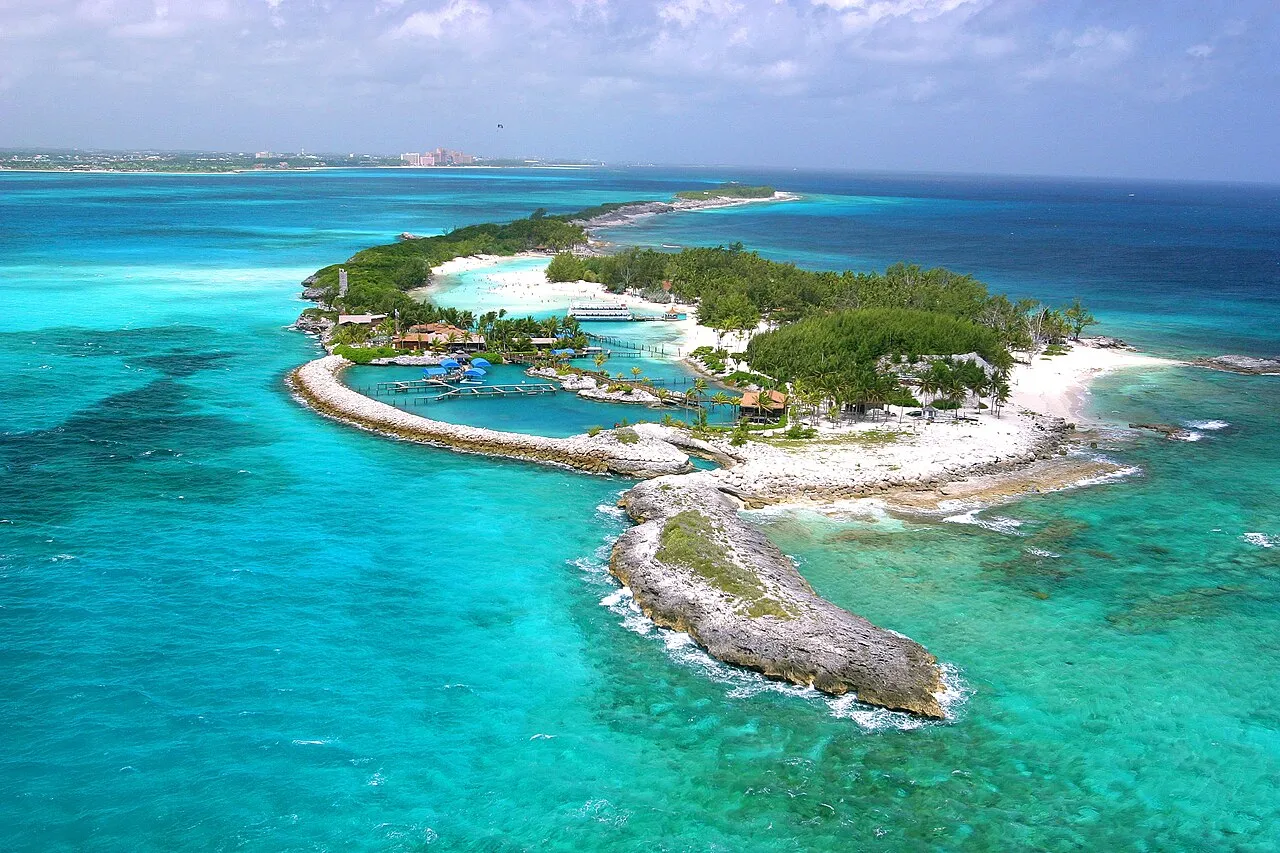
What that history bought is a stretch of the Exuma chain, 112,640 acres of land and sea1, where nothing has been allowed to leave with a boater in over six decades. The result is water and reef that look the way the whole of the Bahamas once did: clearer, fuller of fish, and largely free of the mooring scars and stripped-out conch beds you find outside the boundary. There is no single building or ticket gate to aim for here; you come for the cays, the anchorages and the reef itself.
What you will see
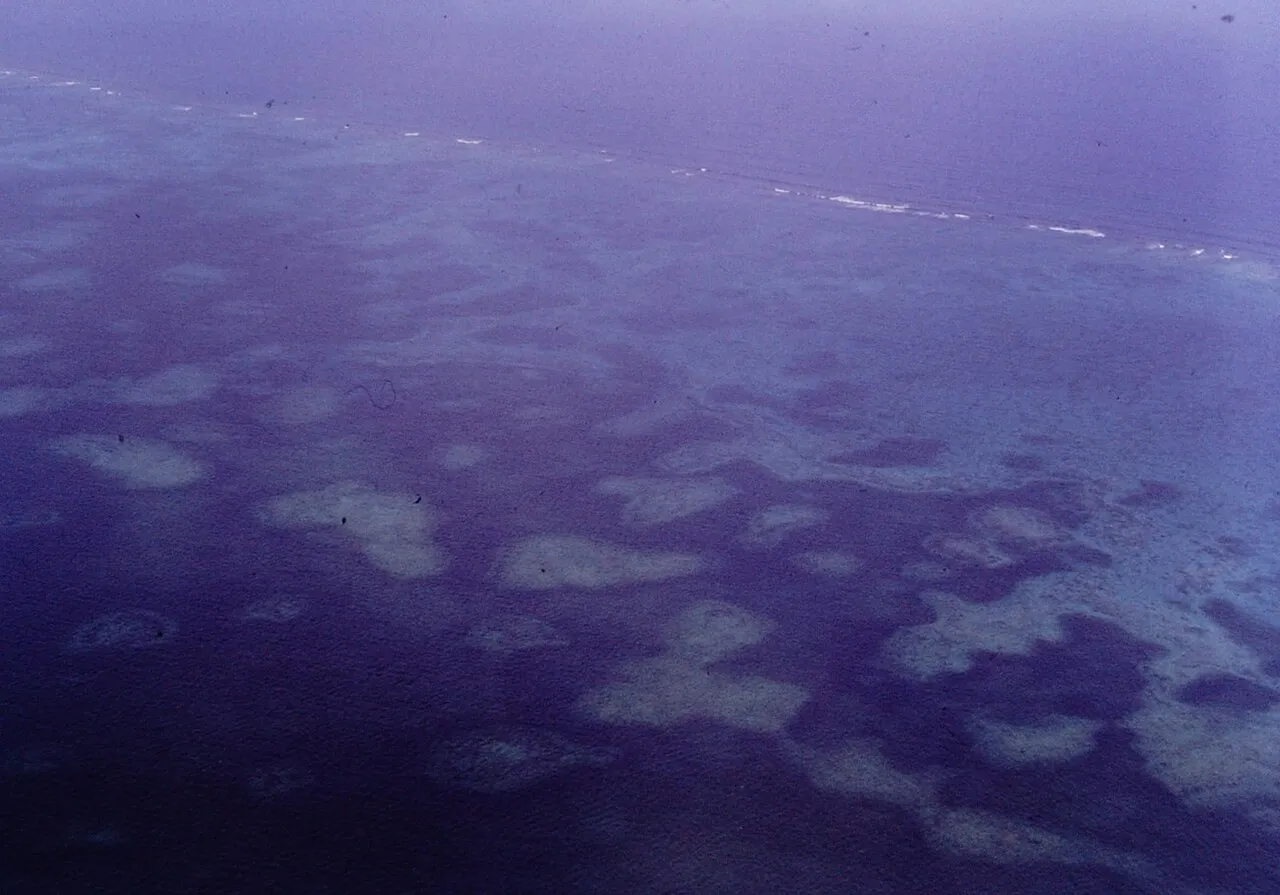
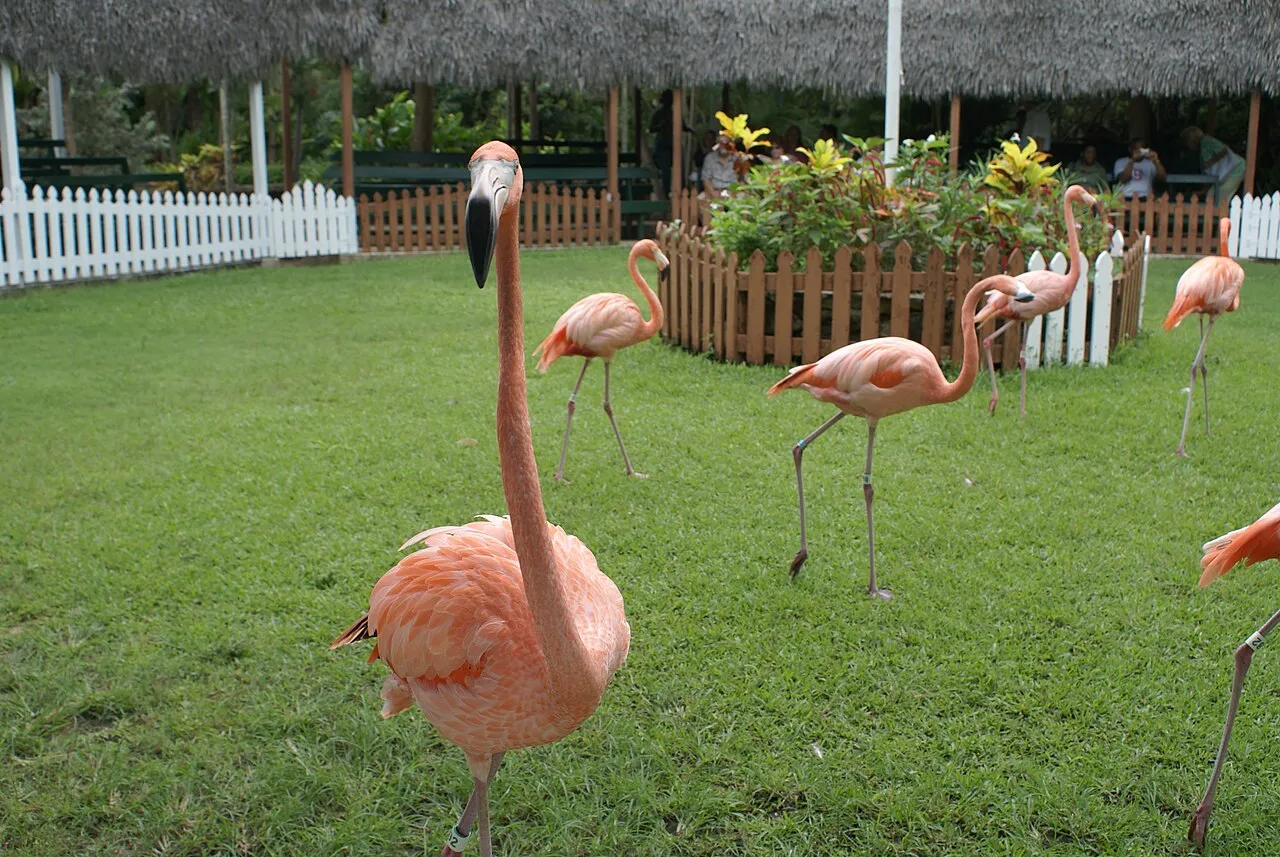
BNT describes the park as protecting coral reefs, mangroves and seagrasses, along with the birds, fish, turtles and iguanas that depend on them. The park is a strict no-take zone: no fishing, shelling or conching of any kind is permitted inside its boundaries, enforced on the water by park wardens and Royal Bahamas Defence Force officers. Those boundaries run roughly from 24°30’37”N, 76°52’37”W in the northwest to 24°14’25”N, 76°36’02”W in the southwest1, a stretch of the Exuma chain you cross by boat rather than by road.
Warderick Wells, where the park’s headquarters and warden’s office are stationed1, is the practical centre of a visit: it is the one place in the park with a staffed office, boardwalks and trails, a visitor’s centre and restroom facilities ashore. Most other anchorages inside the boundary have none of that; they are simply protected water and cays, which is exactly what a trip here is for. Birdwatchers rate the park highly for the same reason that boaters do: the protection has kept the bird life, along with the turtles and iguanas, in better shape than on cays outside the line.
Visiting: hours, fees, access
The facts box above shows the office hours for the park’s Warderick Wells headquarters, the only part of the park that keeps posted hours; the cays and water themselves have no gate and are open to boat access at any time. Outside those hours, or for anything urgent, BNT publishes two radio channels: call “Exuma Park” on VHF channel 09 for routine contact, or channel 161, monitored around the clock, for an emergency.
There is no single admission ticket; instead the park charges mooring and anchorage fees by vessel length, payable in advance through the BNT’s PayExumaPark platform, all in Bahamian dollars plus 10% VAT at checkout. A private boat under 40 feet pays $27.27 a day to pick up a mooring, rising to $172.73 a day for the largest vessels the park takes, 120 to 150 feet; anyone who anchors instead of mooring pays by the foot, $0.45 a day for vessels under 90 feet and $0.91 a day above that. A charter boat also pays $12.73 per passenger per day, and anyone wanting to camp and kayak inside the park needs a $300 permit plus a $27.27 daily fee per person. One wrinkle worth knowing before you plan around it: BNT is explicit that paying in advance does not reserve a mooring2, since the park takes none.
Getting there
There is no airstrip or road inside the park: you reach it by boat, either your own or a charter, from the Exuma islands to the north and south of the boundary. Great Exuma, with its airport and the town of George Town, is the usual base for arranging a trip in, whether that means provisioning a private sailboat for a multi-day cruise through the cays or booking a day trip out to the park.
Nearby
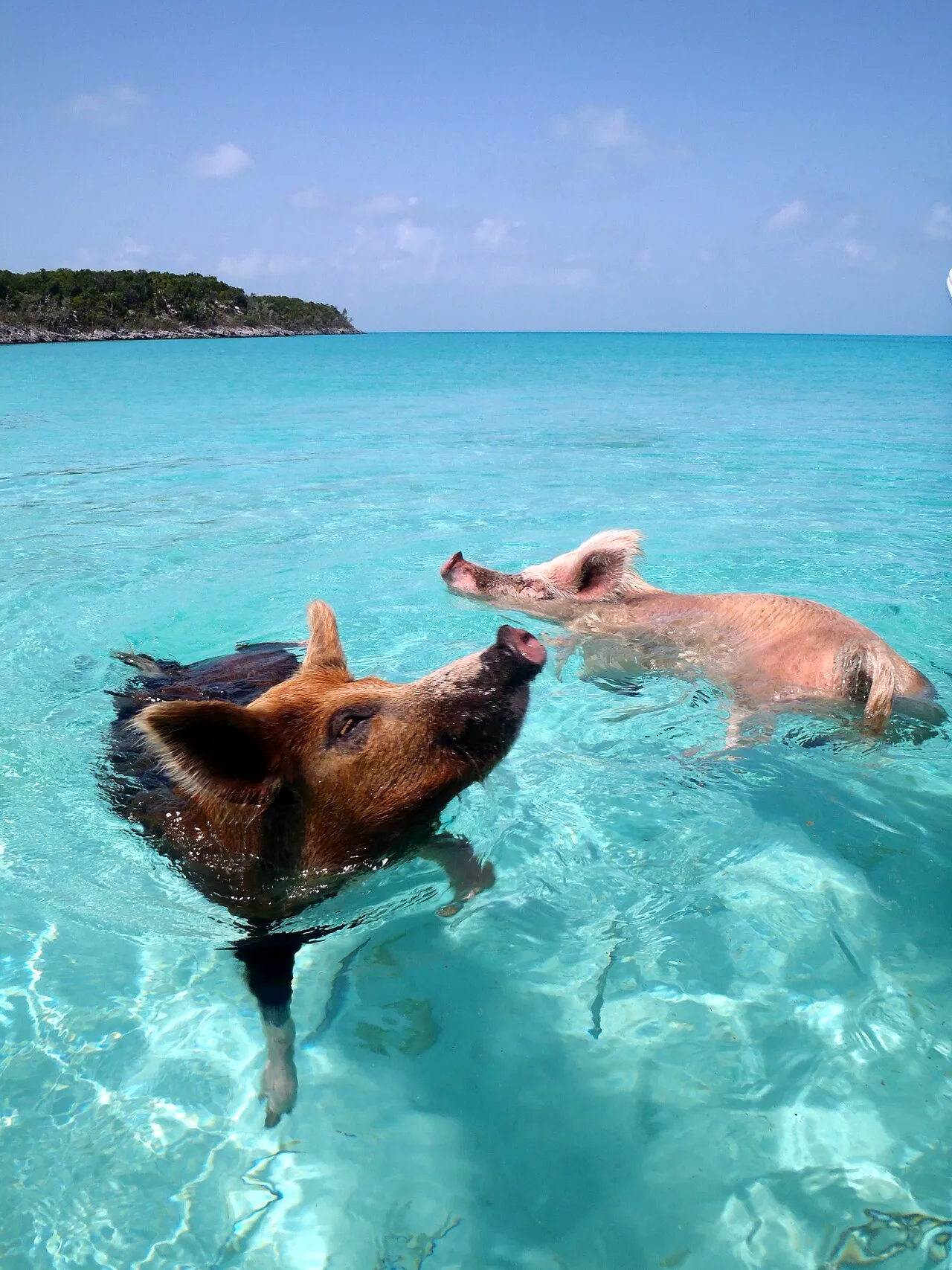
The park sits in the middle of the Exuma chain, the string of cays the Bahamas is best known for among boaters and the same cays that give the wider island group its reputation for swimming pigs and sandbars, most of which lie outside the park’s no-take boundary. Warderick Wells itself, with its walking trails and the warden’s office, is the natural first stop before pushing on to the quieter anchorages further along the chain.