Why go
This is the single place in the country to get an overview of Gambian history before heading out to see it in pieces elsewhere. The museum opened in 19851, fifteen years after a Friends of the National Museum Association had first pushed for one, and it is now run alongside the rest of the country’s heritage sites by the National Centre for Arts and Culture2 (NCAC) from the same Independence Drive premises. It is not a large museum, and you will not need a full day for it, but it rewards the hour or two it takes: the collection runs from archaeology to the instruments played in Gambian villages today.
What you will see
The museum is arranged over three levels, each with its own theme. The ground floor covers the political and cultural history of Banjul itself, the capital the museum stands in. Down in the basement is a display on the Gambia’s musical heritage, showing the instruments played across the country’s different ethnic groups. The second floor1 is the biggest draw for anyone interested in the deeper past: it covers the archaeological history of West Africa and the Gambia, then carries the story forward through the colonial period and into independence.
Behind the exhibits sits a sizeable archive: the museum’s photo collection spans more than 70 years1 of Gambian history, reference material rather than something you browse on a walk-through visit.
Visiting: hours
The facts box on this page shows the museum’s opening hours, published by the NCAC, which runs the museum from these premises alongside its other divisions; no museum-only hours are published separately. No official source in either the NCAC or the Gambian government publishes an admission fee, so check at the gate on arrival rather than planning around a figure found elsewhere. The museum’s own website, linked in the facts box, is the place to check before a visit for any change to the above.
Getting there
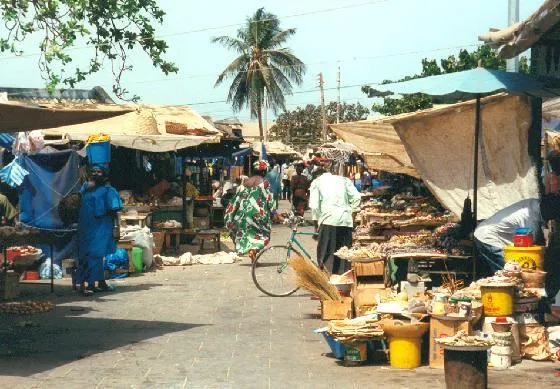
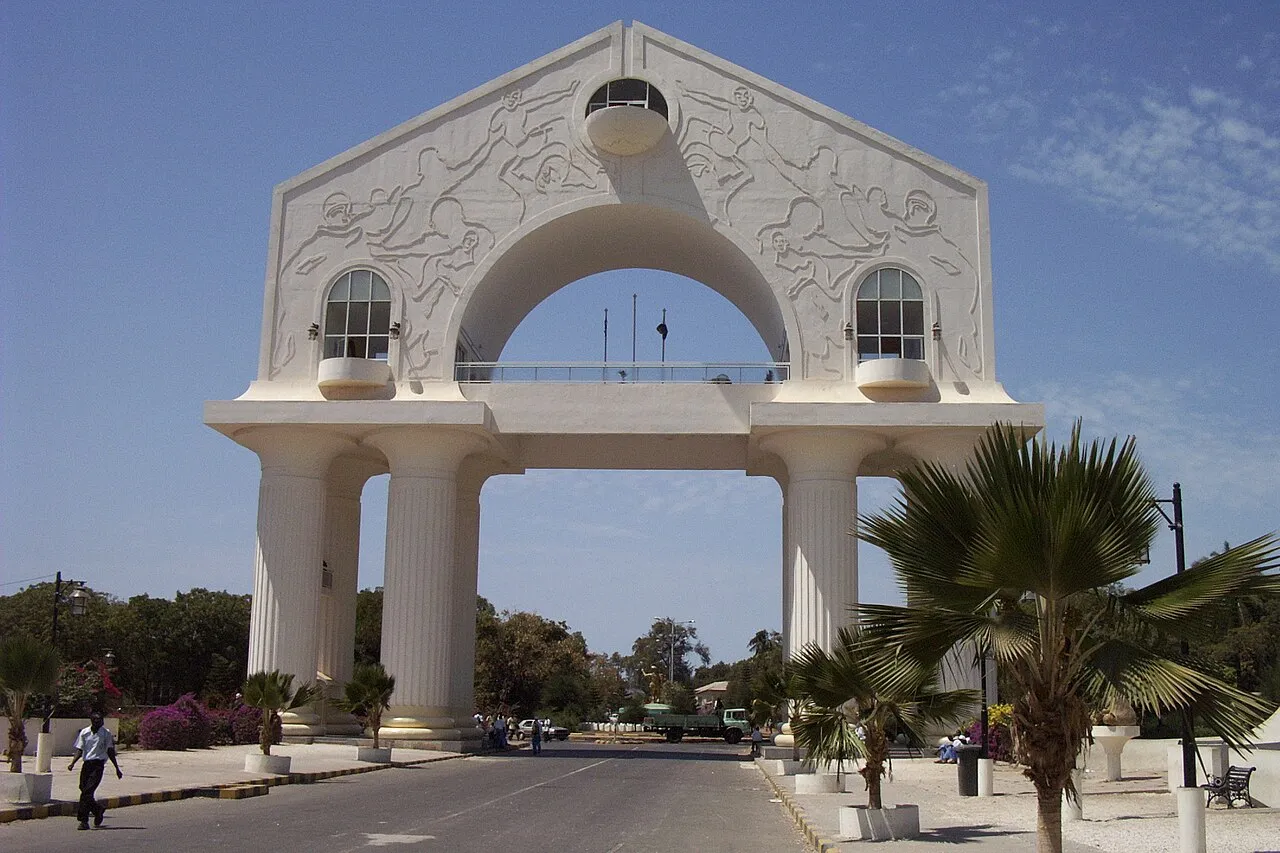
The museum sits on Independence Drive2 in central Banjul, on the same stretch as the colonial quarter, a walkable distance from Arch 22 at the entrance to the city and from Albert Market. Most visitors combine it with those two stops on a half-day trip in from the coast hotels; the getting around guide covers shared taxis and minibuses from Kotu, Bakau and Senegambia, and Banjul International Airport3 at Yundum on the mainland is the arrival point for almost everyone flying in.
Nearby
Independence Drive strings together most of what there is to see in old Banjul: Arch 22 marks one end of it, Albert Market and the colonial-era streets sit along the middle, and the State House is a short walk further on. The Banjul city page covers the rest of the island.