Gunjur is a fishing town on the Atlantic coast at the far southern end of the Gambia’s beach strip, well south of the resorts and closer in feel to the villages of Kombo South than to Kotu or Senegambia. The 2013 census counted 18,946 people1 in the settlement, part of the Brikama Local Government Area, the same authority as Brikama and Brufut. Founded in the mid-18th century by the Darboe family2, Gunjur became a centre of Muslim resistance during the Soninke-Marabout wars of the 19th century, ruled for a time as the Kingdom of Gunjur under Foday Sillah before British forces took the town in 1893. Visitors come for a working beach and a nearby nature reserve rather than for sunbeds; the best window for a visit is the dry, cooler run from December through February, the clearest of the year on the coast.
Getting oriented
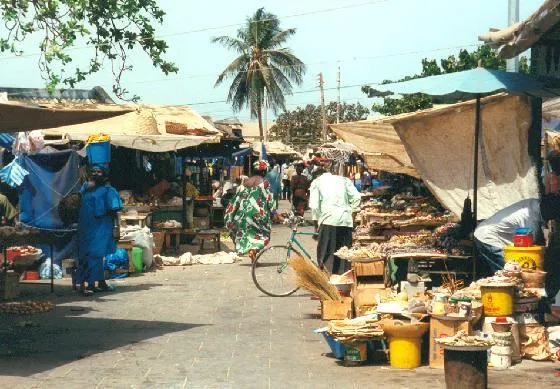
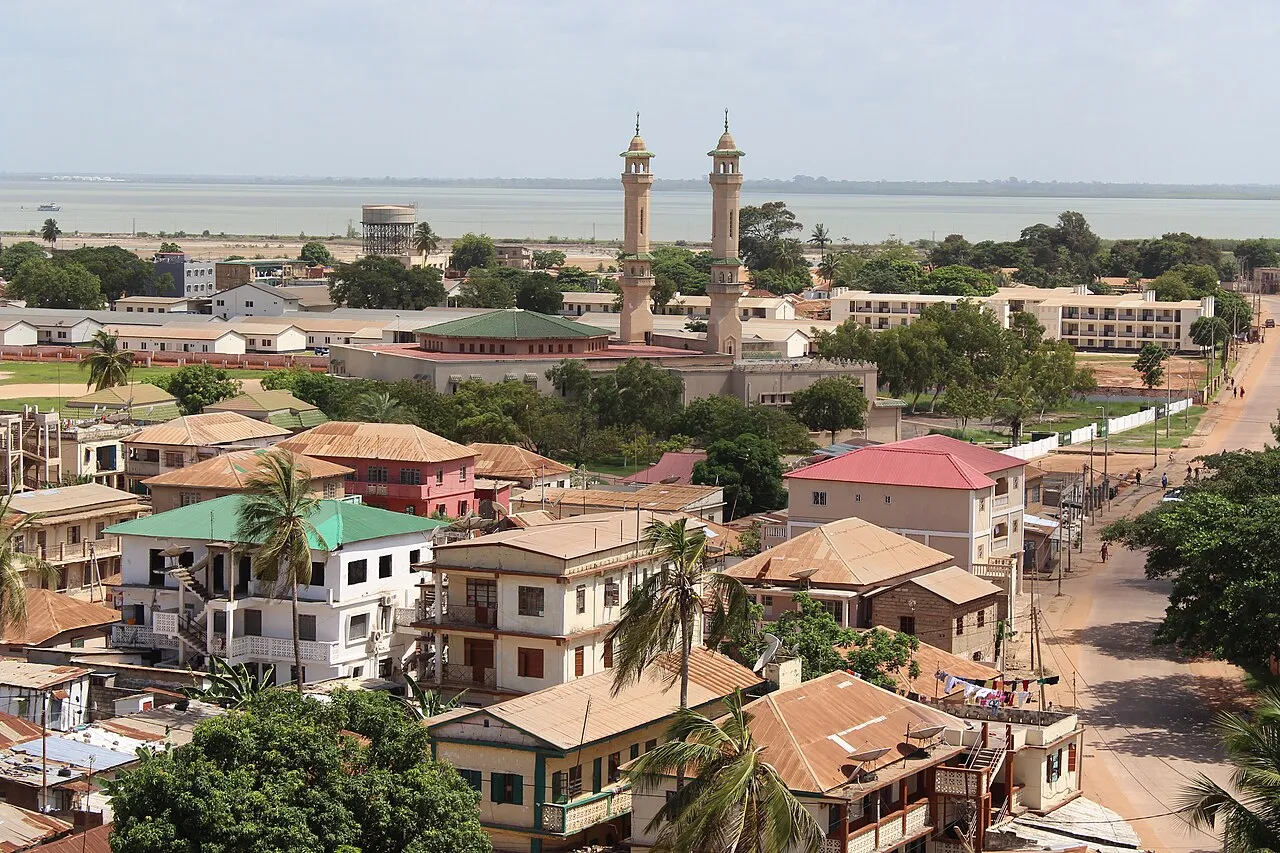
The town sits a short way inland from its own beach, reached by a side road off the coast highway that continues south towards the Senegalese border. Unlike the built-up resort strip further north, Gunjur keeps a single-storey village layout of sandy lanes around a market and mosque, with the beach and its boatyards forming the town’s working waterfront rather than a tourist promenade.
Highlights
The fishing beach
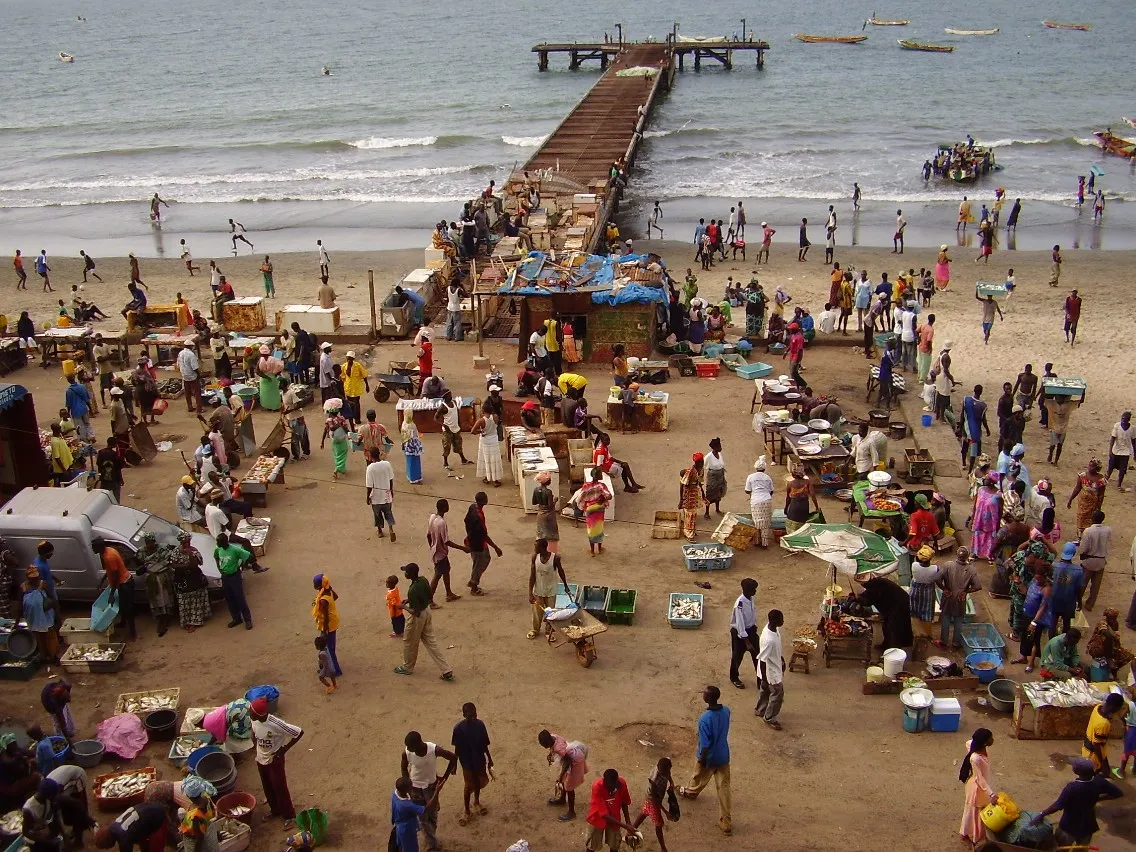
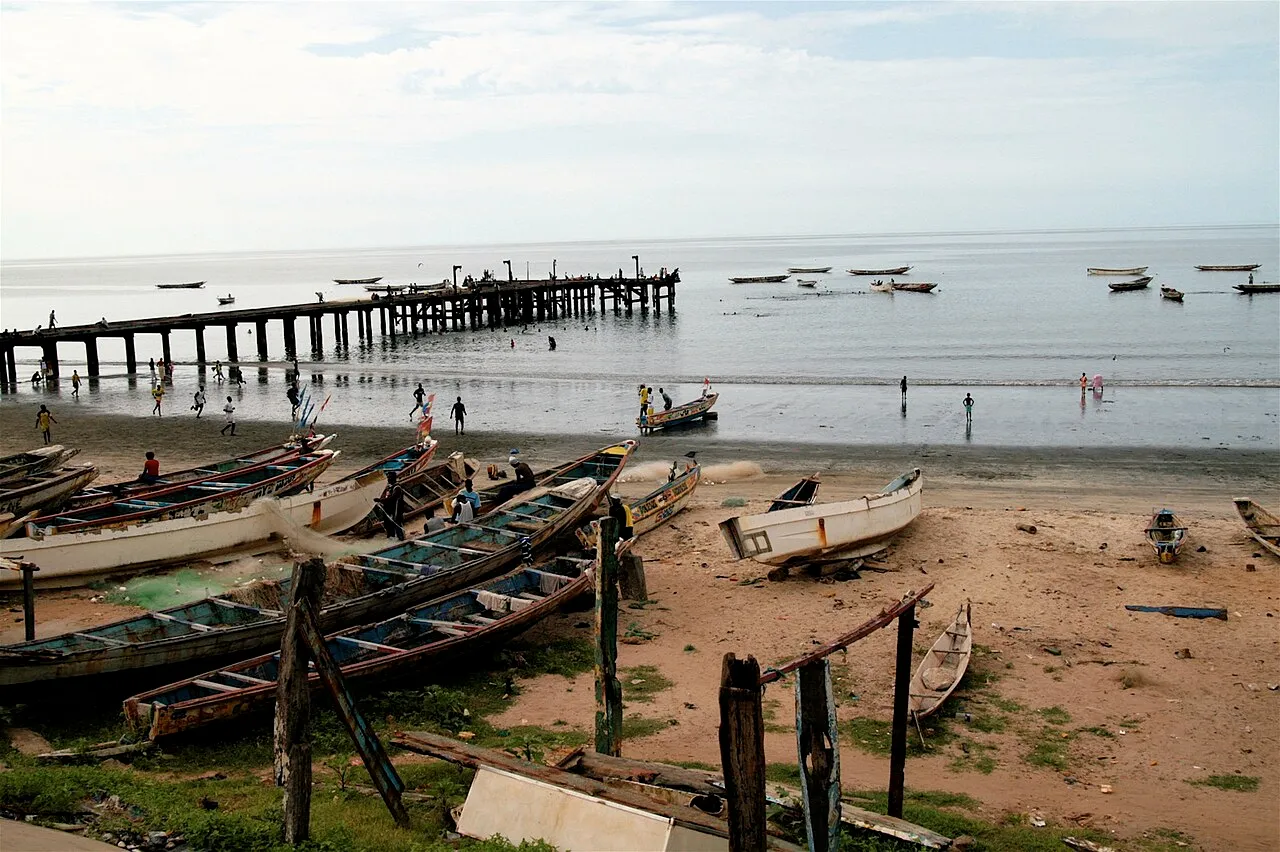
Gunjur’s beach is a working one: wooden pirogues land their catch directly on the sand, and women clean, smoke and dry fish for sale alongside net-menders and boat-builders, a scene that has drawn photographers and reporters to the town. A Chinese-owned fishmeal factory, Golden Lead, has operated on the edge of town since the mid-2010s3, and its presence, along with recurring complaints about odours and waste from the adjoining lagoon, has become part of the story locals tell about the beach; it is worth knowing before you go, even though the beach itself remains open and walkable.
Bolong Fenyo Community Wildlife Reserve
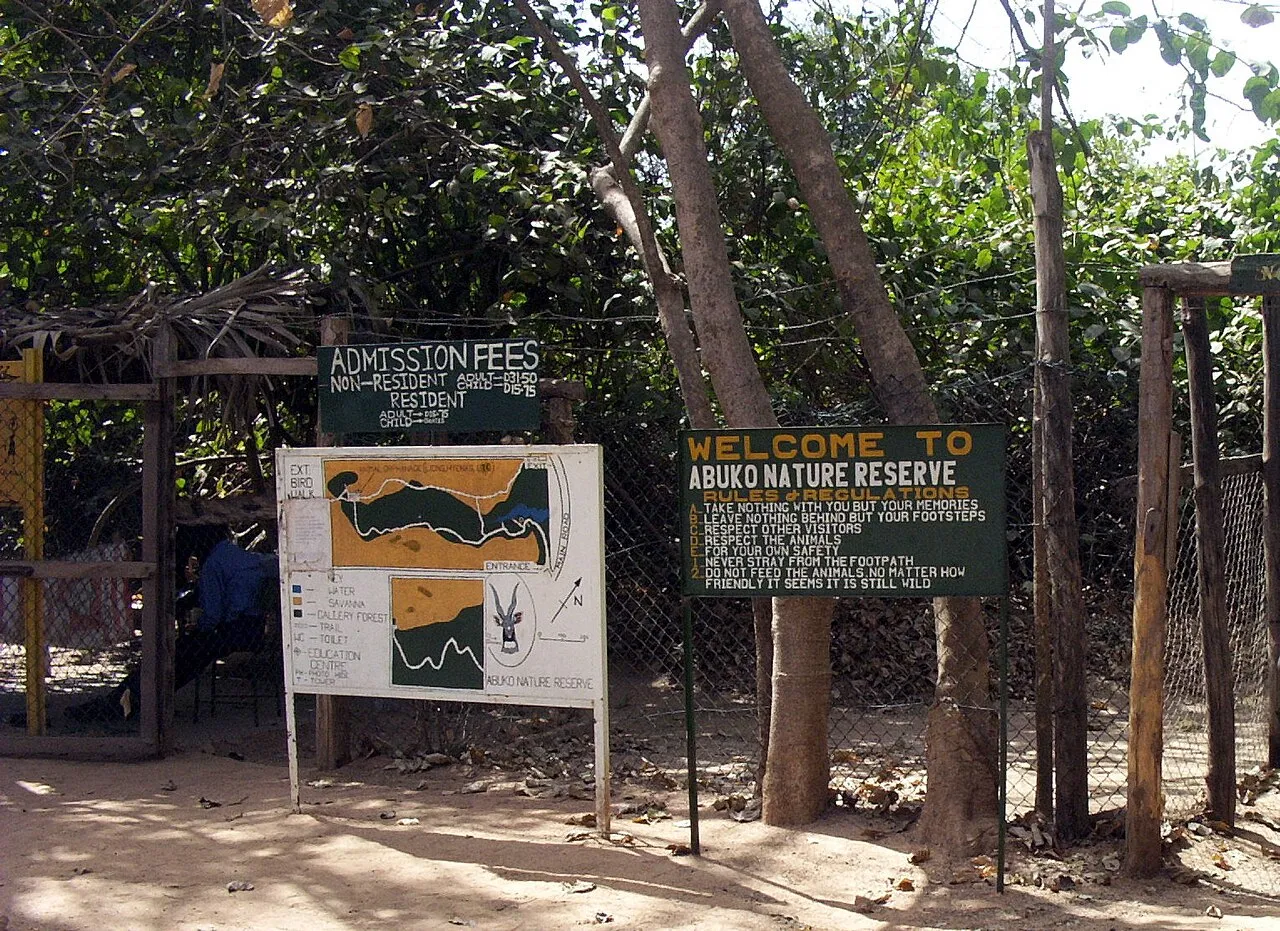
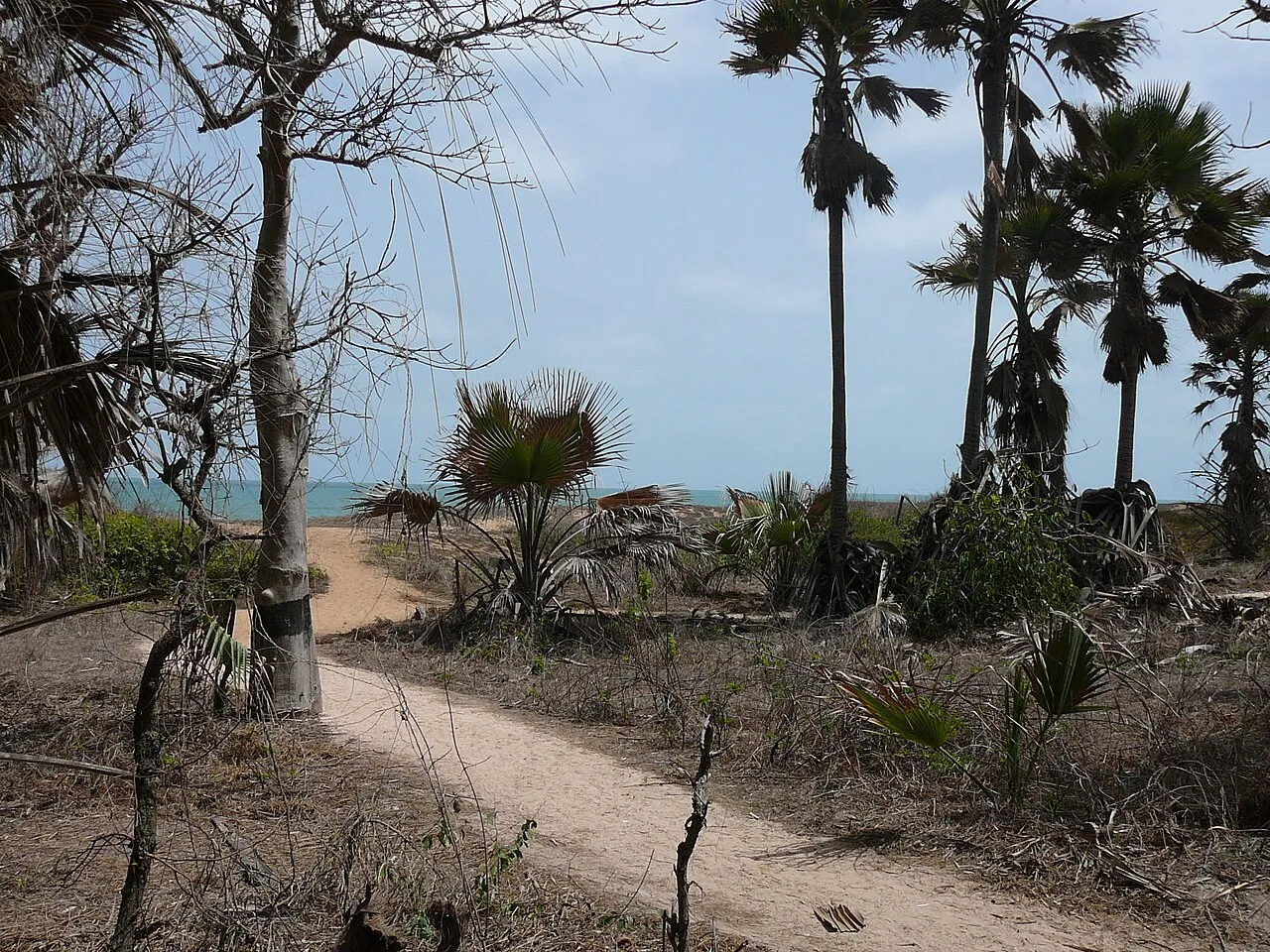
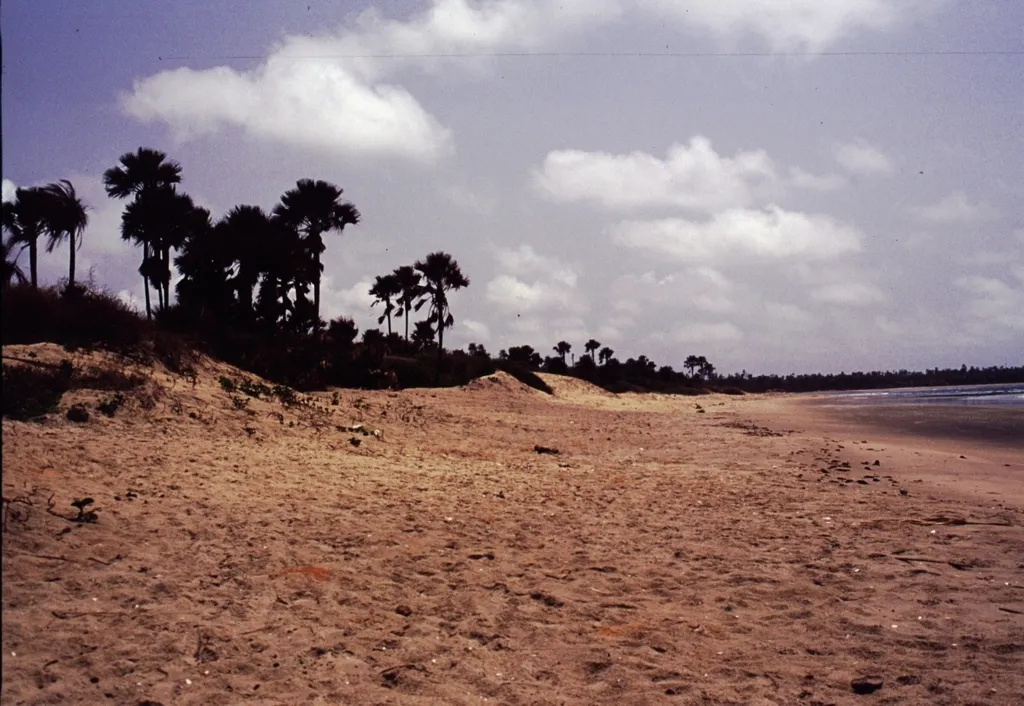
Bolong Fenyo, declared on 25 March 2008, was the Gambia’s first community wildlife reserve, covering 345 hectares along about 2 km of coastline just outside Gunjur. It protects a mix of mangroves, dry woodland and coastal dune scrub, along with a lagoon and marine strip, and the Gunjur Environmental Protection and Development Group has recorded 76 bird species, 11 reptile species and 16 mammal species there4, including crocodiles and monitor lizards; green turtles nest on the beach inside the reserve. It is run jointly by that local group, the national Department of Parks and Wildlife and the local community, and makes an easy half-day addition to a visit, best arranged through a local guide in the village.
Getting around
Banjul International Airport5, the country’s only international airport, is at Yundum, a drive north of Gunjur. Shared bush taxis and gelly-gellys run the coast highway between Gunjur, Brufut and the resort strip to the north, and on south towards the Senegalese border; the transport guide has routes and fares.
Where to stay by area
Gunjur has a small amount of guesthouse accommodation aimed at birders and volunteers rather than package tourists; most visitors on a Gambia trip base themselves further north on the main resort strip and come down to Gunjur for a day. The where-to-stay guide covers the resort-strip areas in full, along with any lodges on Gunjur’s own beach.
Day trips
Brufut and the resort strip are a run north along the coast highway, while Brikama, with its craft market and the Makasutu Culture Forest nearby, is a short hop inland. The Gambia overview has the rest of the regions.