Why go
Gunjur Village Museum is a one-man project that grew into the Gambia’s only indigenous natural and cultural history museum, in the words of its founder. Lamin Bojang, a Gunjur naturalist and bird guide who was working at Footsteps Eco-Lodge when he started the project in 20082, built the museum himself because he saw the objects and oral history of his own community disappearing. Construction ran for years before the building was finished in late 2015, with an official opening planned for October 20161; other accounts of the project give 2017 as the year it opened to visitors3. It is a small stop, nothing like a national institution, but it is a personal one: Bojang still runs it, and a visit usually means hearing the stories behind the objects from the man who collected them.
What you will see
The collection is built from everyday Gambian objects rather than grand artefacts: carved human figurines, wooden stools and bowls, carved wooden masks, decorated horn instruments, clay water containers, hot-press irons and metal cooking pots sit alongside traditional musical instruments, including the kora and the balafon2. Several pieces relate directly to Gunjur’s own fishing economy and farming life, which is the throughline of the museum: this is local material culture, gathered and explained by someone from the village rather than acquired for display. A small botanical garden3 and occasional cultural performances round out a visit alongside the indoor exhibits.
Bojang built the project with research as well as display in mind1: he has looked to partner with local schools and the University of The Gambia so students can use the collection, and the museum is registered with the National Centre for Arts and Culture (NCAC)2, the government body that oversees the country’s heritage sites.
Visiting: hours, admission, booking
No opening hours or admission price for the museum are published on an official page, so this page carries no facts box for them; check with the museum directly before you go. Its own website has since gone offline and its Facebook page, Gunjur Village Museum, is the most current place to look for contact details. As a small, privately run museum rather than a staffed national site, visits often work best arranged in advance through a local guide or your lodge in Gunjur, who can usually reach Bojang directly.
Getting there
The facts box above shows the museum’s general location in Gunjur village, in Kombo South on the West Coast Region. The museum sits inland from the fishing beach that is Gunjur’s main draw, within walking distance of the village centre; a local taxi or your lodge can point you to it, since it is not signposted for passing tourist traffic the way the coastal resorts are. Banjul International Airport4 at Yundum is the arrival point for almost everyone flying in, a drive north of Gunjur; the transport guide covers shared taxis and gelly-gellys along the coast highway.
Nearby
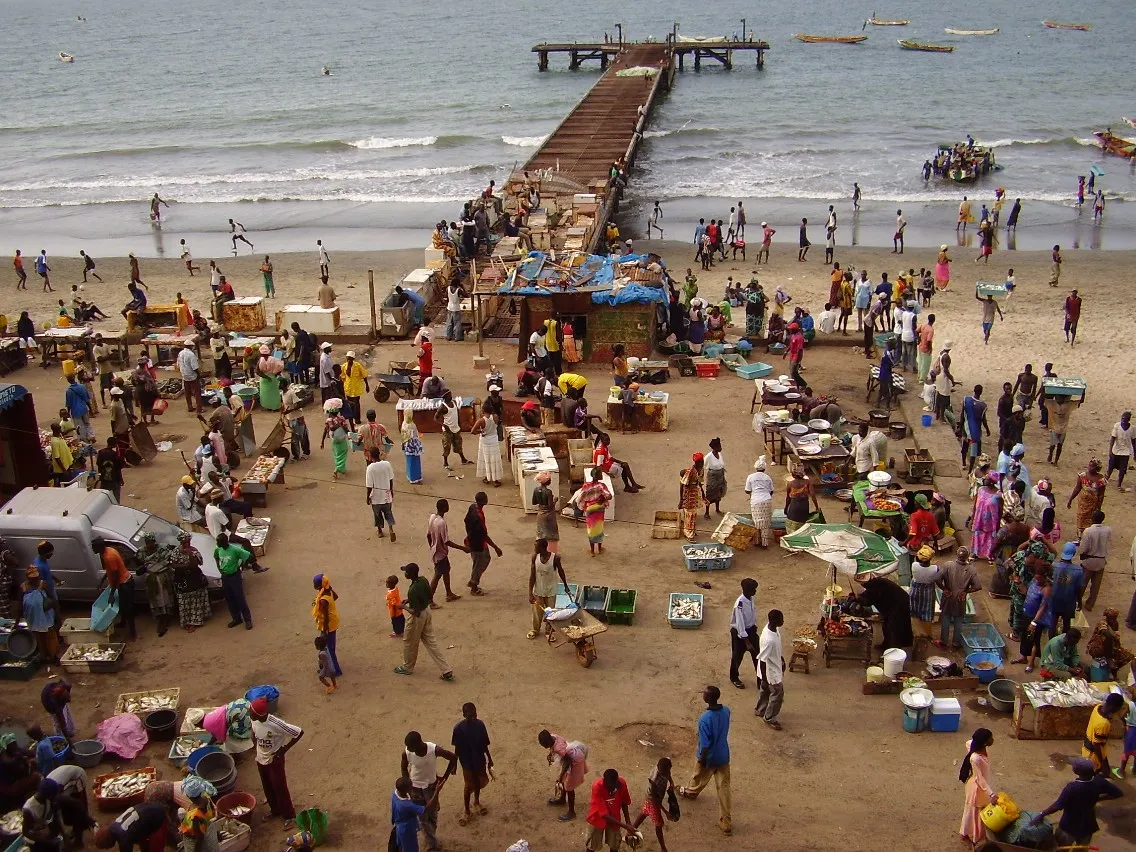
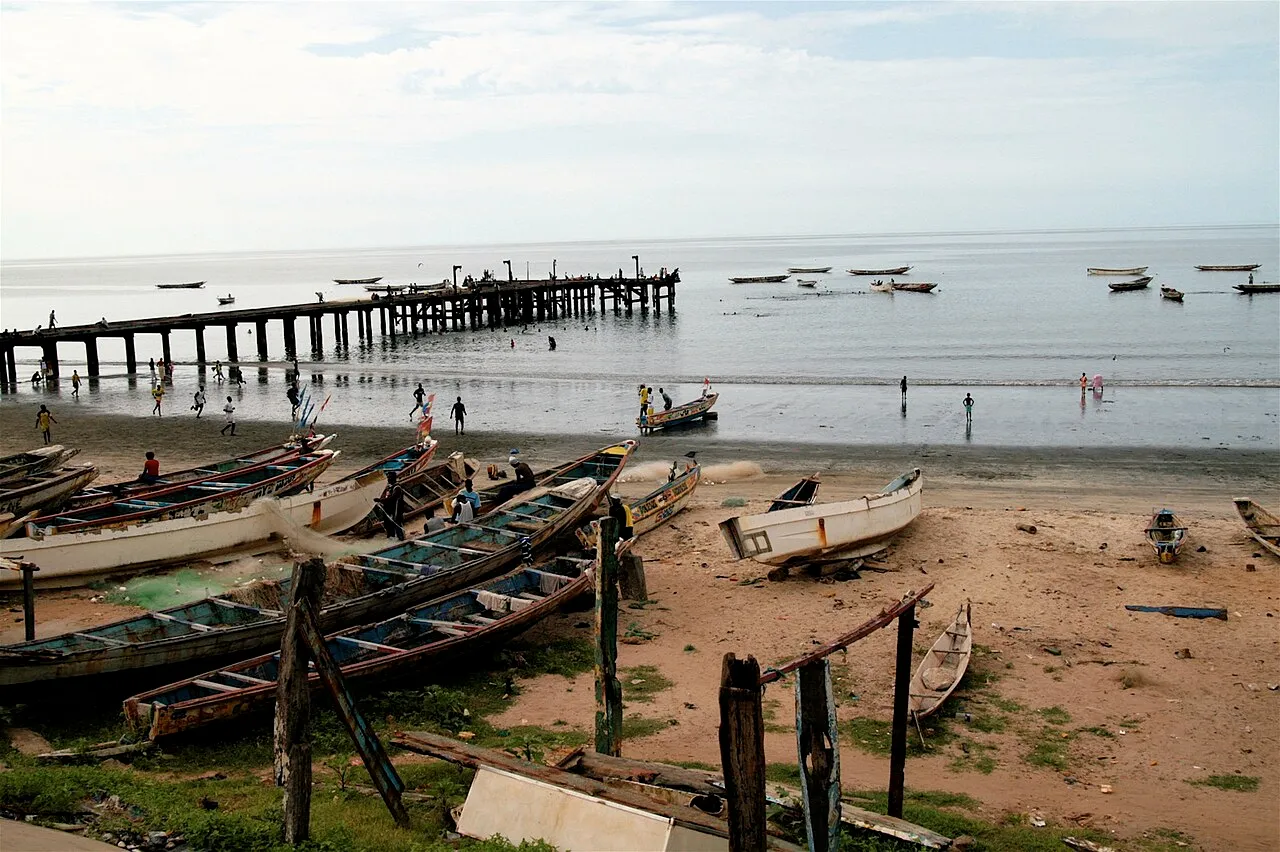
Pair the museum with the rest of a Gunjur day: the fishing beach where pirogues land their catch, and the Bolong Fenyo Community Wildlife Reserve just outside town, a protected coastal and marine area managed by the Gunjur Environmental Protection and Development Group. The Gunjur city page covers the rest of the town, and Brufut and the main resort strip are a run north along the coast highway if you are based further up the coast.