Why go
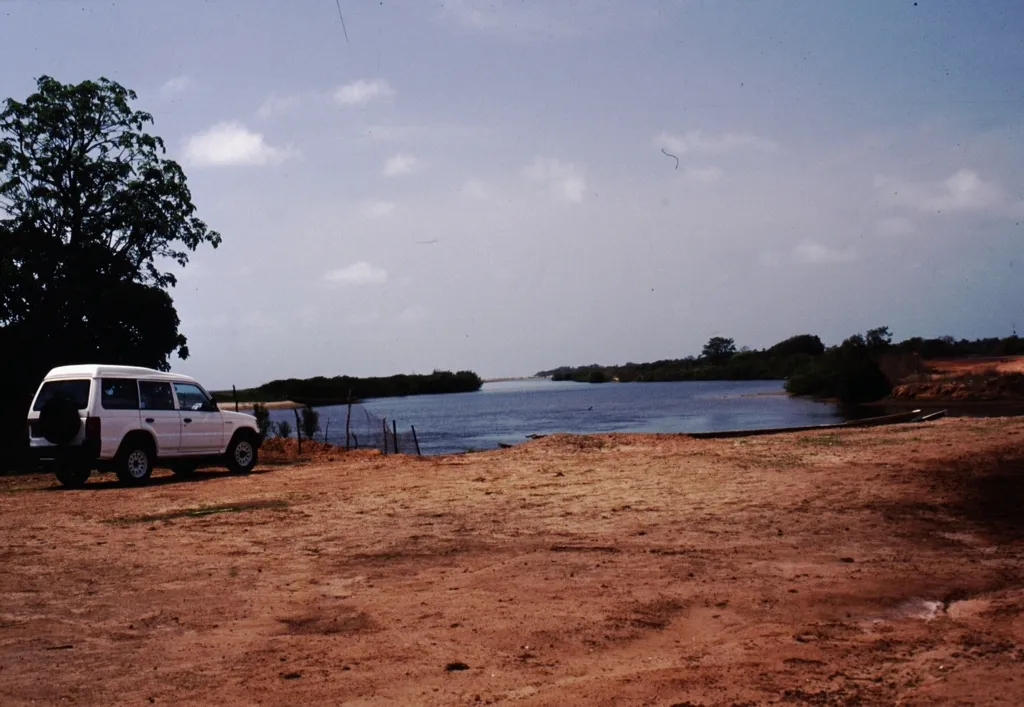
Tanji Bird Reserve is the Gambia’s best-known stop for birdwatching, and the numbers explain why: about 300 species have been recorded here, including 82 Palearctic migrants that fly down from Europe and beyond for the dry season. The reserve was established in 1993 and covers 612 hectares of coast about 3 kilometres north of Tanji village, taking in the Karinti River, a string of lagoons, and the Bijol Islands just offshore. Those islands are the Gambia’s only offshore islands1, and that makes them the one place in the country to see breeding seabird colonies rather than passing migrants alone. BirdLife International lists the whole reserve as an Important Bird Area, which is the short version of what draws serious birders here over any other coastal stop in the Gambia.
What you will see
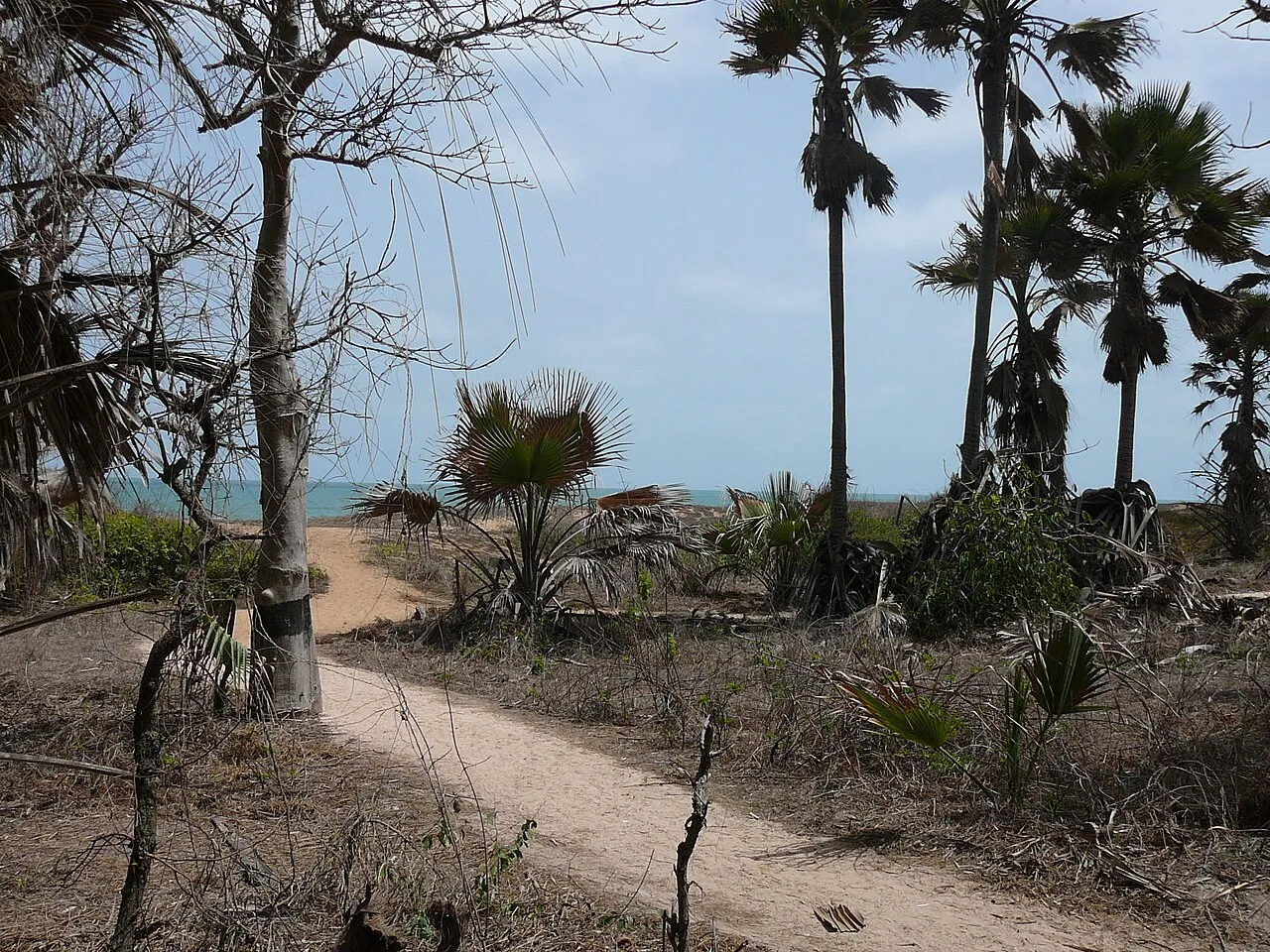
The reserve mixes mangrove, dry woodland and coastal dune scrub woodland around its lagoons, a combination of habitats that is largely why the species list runs so long: waders and waterbirds work the lagoon edges while woodland species move through the drier ground further back from the coast. Herons, plovers, terns and gulls are the reliable sightings, and a boat trip out to the Bijol Islands is the way to see what the mainland side cannot offer: Gambia’s only breeding seabirds, nesting in gull and tern colonies on islands that also serve as a marine turtle breeding site. It is not only a birding stop, either. A 2019 survey of the reserve’s termites found 31 species, 19 of which turned up nowhere else in the Gambia1, a reminder that the reserve’s dry woodland and dune scrub carry their own, less-photographed wildlife alongside the birds.
Visiting
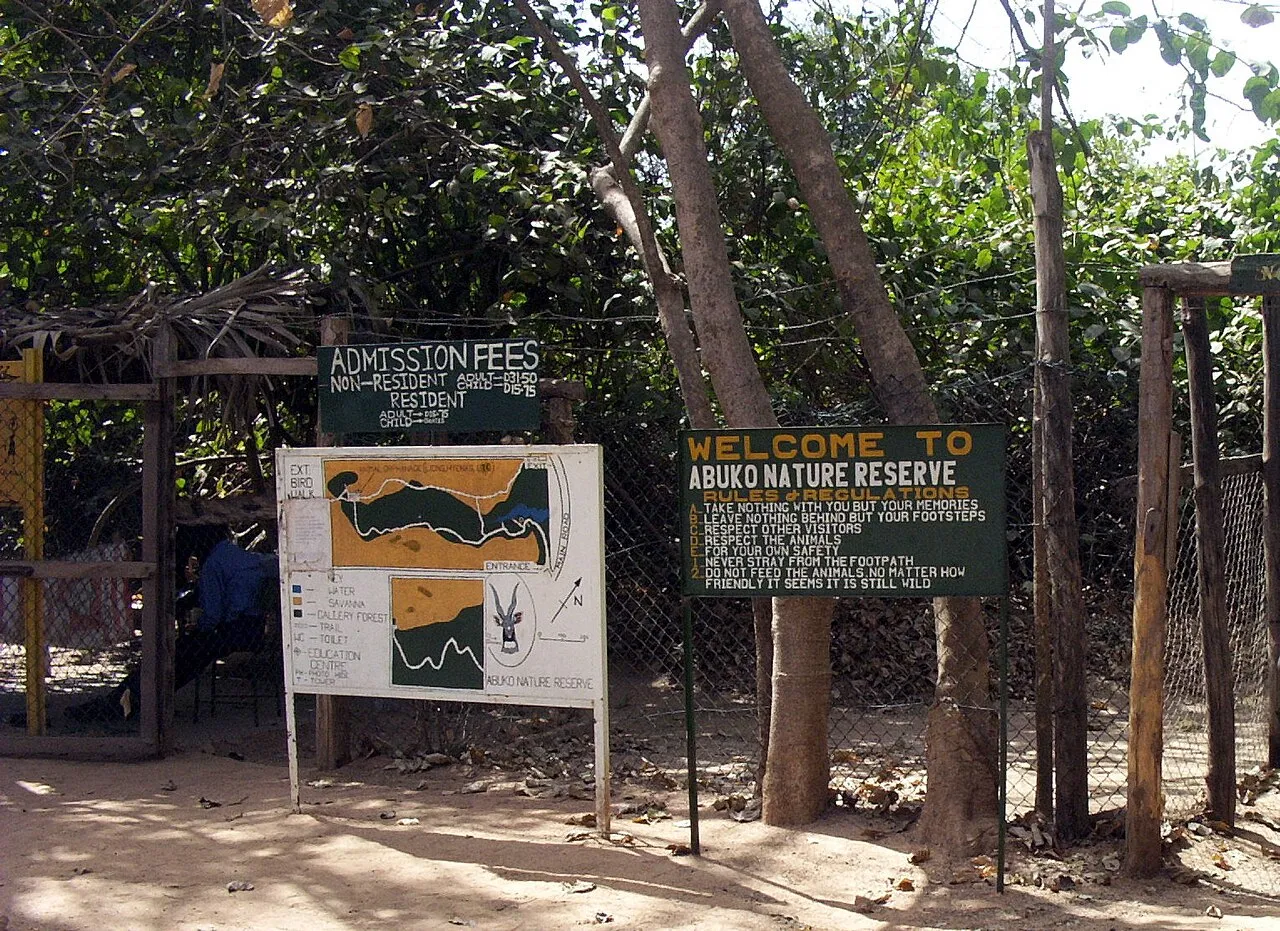
No official source currently publishes a set admission fee, opening hours or a reserve office you can book ahead with, so treat any figure you see quoted online as unconfirmed until you check it at the gate. In practice, visitors pay a small cash entrance fee at the reserve and hire a local guide on the spot; a guide is worth the money here rather than optional; the lagoons and scrub do not give up their birds easily to anyone who does not already know the calls and the likely spots. If you want to see the Bijol Islands and their seabird colonies, that means arranging a short boat trip, which is also best fixed locally rather than in advance. Go early, before the heat of the day sends most birds into cover, and bring the usual kit for a reserve with no paved paths: sturdy shoes, a hat, and mosquito repellent for the mangrove edges.
Getting there
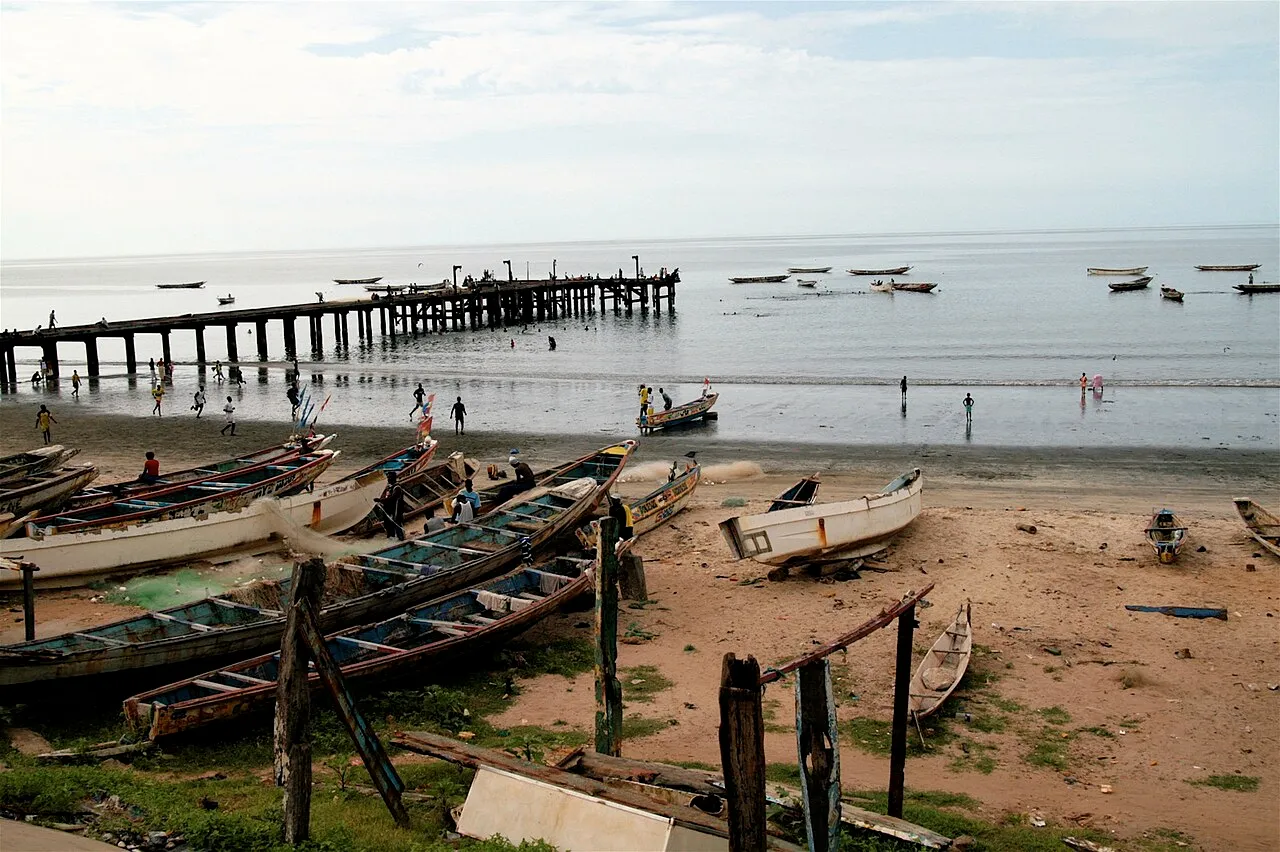
Tanji sits on the coast road south of the main resort strip, and the reserve itself begins about 3 kilometres north of Tanji village1. A shared bush taxi from Serekunda heading south on the coast road will drop you at Tanji; from there it is a short local taxi or a walk to the reserve entrance. The getting around guide covers routes and fares for bush taxis along the coast road in more detail.
Nearby
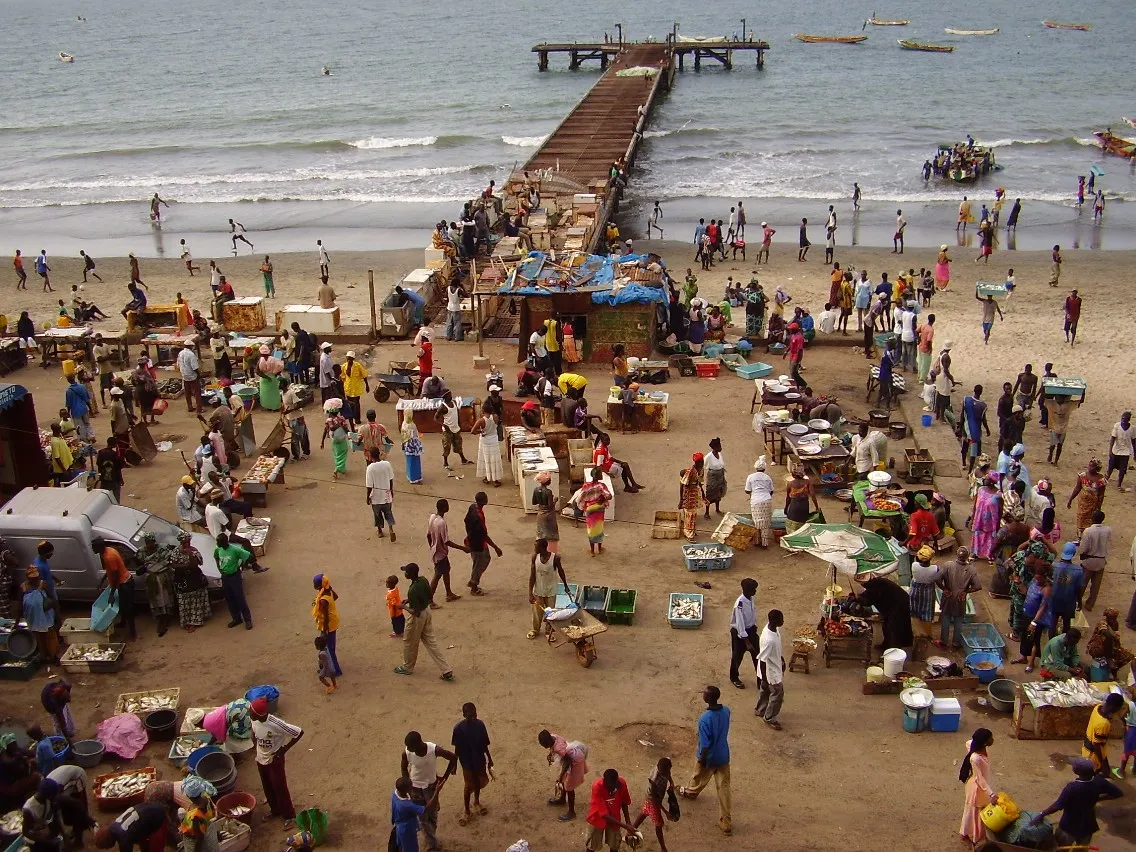
Brufut, with its own quiet stretch of beach, lies back up the coast road towards the resort strip, while Gunjur and its working fishing beach and the Bolong Fenyo reserve are a short way further south. The Gambia overview covers the rest of the country’s regions and how they connect.