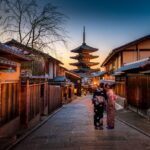
Discover the resilience and serenity of Hiroshima, a city of peace and beauty.
“Discover the resilience and serenity of Hiroshima, a city of peace and beauty.”
Hiroshima
Japan is synonymous with culture, tradition, and history. The country has a rich heritage, which is reflected in its cities, architecture, and people. One of the most important cities in Japan is Hiroshima, which is located on the southwestern part of the Honshu Island. Hiroshima is famous for being the first city in the world to be destroyed by an atomic bomb. However, the city has risen from the ashes and is now a symbol of hope, peace, and resilience. In this article, we will explore the beauty and history of Hiroshima.
The city of Hiroshima has a long and fascinating history. It was founded in the 16th century and was an important center for trade and commerce. However, the city’s fate changed on August 6, 1945, when the United States dropped an atomic bomb on the city. The bomb destroyed the city and killed over 140,000 people. The city was left in ruins, but the people of Hiroshima did not lose hope. They rebuilt the city from scratch and turned it into a symbol of peace and reconciliation.
One of the most important landmarks in Hiroshima is the Hiroshima Peace Memorial Park. The park is located in the center of the city and is a tribute to the victims of the atomic bomb. The park has several monuments, including the Peace Memorial Museum, the Children’s Peace Monument, and the Flame of Peace. The Peace Memorial Museum is a must-visit for anyone who wants to learn about the history of Hiroshima and the impact of the atomic bomb. The museum has several exhibits, including photographs, artifacts, and personal accounts of the survivors.
Another important landmark in Hiroshima is the Hiroshima Castle. The castle was built in the 16th century and was an important center for politics and culture. The castle was destroyed during the atomic bomb attack, but it was rebuilt in the 1950s. The castle is now a popular tourist attraction and is known for its beautiful architecture and gardens. Visitors can explore the castle’s interior and learn about its history.
Hiroshima is also famous for its food. The city has a unique cuisine that is a blend of traditional Japanese and Western influences. One of the most famous dishes in Hiroshima is okonomiyaki, which is a savory pancake filled with vegetables, meat, and seafood. The dish is cooked on a hotplate and is a must-try for anyone visiting Hiroshima. Another famous dish in Hiroshima is oysters, which are harvested from the nearby Seto Inland Sea. The oysters are served grilled, fried, or in a variety of other dishes.
Finally, Hiroshima is known for its beautiful scenery and natural attractions. The city is surrounded by mountains and is located near the Seto Inland Sea. Visitors can explore the nearby islands, go hiking in the mountains, or simply enjoy the beautiful scenery. One of the most popular attractions in Hiroshima is Miyajima Island, which is famous for its giant torii gate and Itsukushima Shrine. The island is a UNESCO World Heritage Site and is a must-visit for anyone visiting Hiroshima.
Hiroshima is a city that is steeped in history, culture, and tradition. The city has overcome great adversity and has emerged as a symbol of hope, peace, and resilience. Visitors to Hiroshima can explore the city’s landmarks, learn about its history, try its unique cuisine, and enjoy its beautiful scenery. Hiroshima is a city that should be on every traveler’s bucket list.
Hiroshima Peace Memorial Park
Japan is a country known for its rich history, stunning landscapes, and beautiful culture. One of the places that showcase all of these is Hiroshima, a city located in the western part of Honshu Island. While it is famous for being the site of the first atomic bomb attack, Hiroshima has so much more to offer than just its tragic past. Among its many attractions is the Hiroshima Peace Memorial Park, a place that tells the story of the city’s resilience and the world’s hope for peace.
The Hiroshima Peace Memorial Park is a vast area that covers over 120,000 square meters. It was built as a tribute to the victims of the atomic bomb that was dropped on the city on August 6, 1945. The park is home to various monuments, museums, and memorials that aim to educate visitors about the horrors of war and the importance of peace.
One of the most striking features of the park is the Atomic Bomb Dome, also known as the Genbaku Dome. It is the only building that survived the atomic bomb blast and has been preserved as a reminder of the city’s tragic past. The dome’s skeletal structure is a haunting sight, and visitors can’t help but feel a sense of awe and sadness as they walk around it.
Another notable monument in the park is the Children’s Peace Monument. It was built to honor Sadako Sasaki, a young girl who died of leukemia as a result of the atomic bomb’s radiation. Sadako believed that if she could fold a thousand paper cranes, she would be granted a wish for her recovery. Sadly, she passed away before she could complete her task, but her story inspired many to fold paper cranes as a symbol of peace. Today, visitors can see thousands of paper cranes on display at the monument, a touching tribute to Sadako’s legacy.
Aside from the monuments, the park also has several museums that offer a deeper understanding of the atomic bomb’s effects on the city and its people. The Hiroshima Peace Memorial Museum is the most popular of these, with exhibits that showcase the city before and after the bombing, as well as personal accounts from survivors. It is a sobering experience, but one that is essential to fully appreciate the significance of the park and the city’s history.
Walking around the park, visitors can also enjoy the beautiful gardens and green spaces that surround the monuments. The park’s designers intended to create a place where visitors could reflect and find peace, and the serene atmosphere certainly achieves that goal. The park is especially beautiful in spring when the cherry blossoms bloom, adding a touch of color to the somber surroundings.
the Hiroshima Peace Memorial Park is a place that every visitor to Japan should make a point to see. It is a testament to the city’s resilience and the world’s hope for peace. The monuments, museums, and memorials in the park serve as a reminder of the horrors of war and the importance of working towards a world without violence. Despite its tragic past, Hiroshima is a city that has moved forward, and the park is a symbol of its commitment to peace and hope for a better future.
Itsukushima Shrine
Japan’s Hiroshima is a city that is known for its rich history, beautiful landscapes, and cultural heritage. Among the many attractions that the city has to offer is the Itsukushima Shrine, which is a popular tourist destination for both locals and visitors alike.
The Itsukushima Shrine, which is located on the island of Miyajima, is a Shinto shrine that is dedicated to the goddess of the sea and storms, known as Benzaiten. The shrine is believed to have been built in the 6th century, and it has undergone several renovations over the years.
One of the most distinctive features of the Itsukushima Shrine is the torii gate that stands in the water. The gate, which is made of wood and painted in bright orange, is considered to be one of the most iconic symbols of Japan. The gate appears to be floating in the water during high tide, and visitors can walk up to it during low tide.
The Itsukushima Shrine is also known for its beautiful architecture. The main hall of the shrine, which is called the Honden, is built in the traditional Japanese style, with a thatched roof and wooden beams. The hall is decorated with colorful paintings and intricate carvings, and it is considered to be a masterpiece of Japanese architecture.
In addition to the main hall, the Itsukushima Shrine has several other buildings that are worth exploring. The Noh Theater, for example, is a small theater that is used for traditional Japanese performances. The Kagura-den, on the other hand, is a hall that is used for Shinto ceremonies.
Another attraction of the Itsukushima Shrine is the beautiful scenery that surrounds it. The island of Miyajima is known for its lush forests, tranquil beaches, and stunning views of the sea. Visitors can take a stroll along the beach or hike up to the top of Mount Misen, which offers panoramic views of the surrounding area.
The Itsukushima Shrine is also steeped in history. During the Edo period, the shrine was considered to be one of the most important shrines in Japan, and it was visited by many famous figures, including the shogun Tokugawa Ieyasu. The shrine was also a popular destination for pilgrims, who came to pray for good fortune and protection from the sea.
However, the Itsukushima Shrine has also had a dark history. During World War II, the island of Miyajima was used as a military base by the Japanese army, and the shrine was used as a site for military training. On August 6, 1945, the atomic bomb was dropped on Hiroshima, which is located just a few miles away from Miyajima. The explosion caused significant damage to the shrine, but it was later restored to its former glory.
Today, the Itsukushima Shrine is a symbol of resilience and hope for the people of Hiroshima. It is a reminder of the city’s rich history and cultural heritage, as well as its ability to overcome adversity and rebuild in the face of tragedy.
the Itsukushima Shrine is a must-see attraction for anyone visiting Hiroshima. It offers a glimpse into Japan’s rich cultural heritage, as well as its ability to overcome adversity and rebuild in the face of tragedy. Whether you are interested in history, architecture, or simply want to enjoy the beautiful scenery, the Itsukushima Shrine is sure to leave a lasting impression on anyone who visits.
Hiroshima Castle
Hiroshima Castle is one of the most popular tourist destinations in Japan’s Hiroshima Prefecture. It is a beautiful and historic castle that has stood the test of time and has been a symbol of resilience for the people of Hiroshima. The castle was built in 1589 by a powerful feudal lord named Mori Terumoto. It was originally built as a fortress to protect the surrounding area from enemy attacks.
The castle was destroyed during the atomic bombing of Hiroshima in 1945, but it was later reconstructed in 1958 using traditional Japanese construction techniques. Today, Hiroshima Castle is a popular tourist attraction that offers visitors a glimpse into Japan’s rich history and culture.
One of the most impressive features of Hiroshima Castle is its beautiful architecture. The castle is a five-story structure that is surrounded by a moat and stone walls. The exterior of the castle is adorned with intricate carvings and beautiful paintings that depict scenes from Japanese folklore and history. Visitors can climb to the top of the castle to enjoy stunning views of the surrounding area.
Inside the castle, visitors can explore the various rooms and learn about the history of the castle and the people who lived there. The castle also houses a museum that showcases artifacts and exhibits related to the castle’s history and the history of the city of Hiroshima.
One of the most interesting exhibits in the museum is the display of items that were recovered from the castle ruins after the atomic bombing. These items provide a glimpse into the devastation caused by the bombing and serve as a reminder of the importance of peace.
Visitors to Hiroshima Castle can also participate in various cultural activities, such as dressing up in traditional Japanese clothing and taking part in tea ceremonies. These activities offer visitors a unique opportunity to experience Japanese culture firsthand and to connect with the local community.
Hiroshima Castle is also known for its beautiful cherry blossom trees, which bloom in the spring and attract visitors from all over the world. The castle grounds are a popular spot for hanami, or cherry blossom viewing, and visitors can enjoy picnics and other outdoor activities while taking in the beauty of the cherry blossoms.
In addition to its beauty and cultural significance, Hiroshima Castle is also an important symbol of resilience for the people of Hiroshima. The castle’s reconstruction after the atomic bombing was a testament to the city’s determination to rebuild and move forward after the tragedy.
Overall, Hiroshima Castle is a must-visit destination for anyone traveling to Japan. Its beauty, history, and cultural significance make it a unique and unforgettable experience. Whether you’re interested in Japanese history and culture, or simply looking for a beautiful and peaceful place to visit, Hiroshima Castle is a destination that should not be missed.
Shukkeien Garden
Japan is a country that is steeped in history and culture, and nowhere is this more evident than in the city of Hiroshima. Located on the southern coast of Honshu, Japan’s largest island, Hiroshima is best known for the atomic bomb that was dropped on the city in 1945. However, beyond the tragedy of that event lies a city that is full of beauty, culture, and history.
One of the most beautiful places in Hiroshima is the Shukkeien Garden. This traditional Japanese garden was created in the 17th century and is a peaceful oasis in the heart of the city. The garden is designed to represent various landscapes, including mountains, forests, and lakes. Visitors can stroll along the winding paths, cross the arched bridges, and admire the carefully placed rocks and trees.
One of the most striking features of the garden is the tea house, which sits on the edge of a small lake. The tea house is a traditional Japanese structure, with a thatched roof and sliding doors that open onto the garden. Visitors can enjoy a cup of green tea while taking in the serene surroundings.
Another important site in Hiroshima is the Hiroshima Peace Memorial Park. This park was created to commemorate the victims of the atomic bomb and to promote peace around the world. The centerpiece of the park is the Atomic Bomb Dome, which is the only building that survived the blast. The dome serves as a powerful reminder of the devastation that took place in Hiroshima.
In addition to the Atomic Bomb Dome, the park also contains several other memorials and monuments. The Peace Bell, for example, is a large bell that is rung every year on August 6th to mark the anniversary of the bombing. There is also a Children’s Peace Monument, which was inspired by a young girl named Sadako Sasaki. Sadako was two years old when the bomb was dropped, and she later developed leukemia. She believed that if she could fold 1,000 paper cranes, she would be granted a wish and could be cured. Although she never achieved her goal, her story inspired others to fold paper cranes as a symbol of peace.
Beyond the Peace Memorial Park, there are many other historical sites to explore in Hiroshima. The Hiroshima Castle, for example, was built in the 16th century and is now a museum that showcases the city’s history. The castle is surrounded by a moat and is accessible via a bridge that leads to the main gate. Inside, visitors can see exhibits on samurai culture, traditional Japanese art, and the history of Hiroshima.
Another interesting site is the Mitaki-dera Temple, which is located on a mountain overlooking the city. This temple was founded in the 9th century and is one of the oldest in Japan. Visitors can climb the steep stairs to the top of the mountain, where they will be rewarded with stunning views of the city below.
Hiroshima is a city that is full of beauty and history. While the atomic bomb is an important part of the city’s past, there is so much more to explore and discover. From the peaceful Shukkeien Garden to the powerful Hiroshima Peace Memorial Park, there is something for everyone in this fascinating city. Whether you are interested in history, culture, or simply enjoying the natural beauty of Japan, Hiroshima is a must-visit destination.
Mazda Museum
Japan is a country that is rich in history and culture. It is home to some of the most beautiful and iconic landmarks in the world, including the majestic Mount Fuji, the bustling city of Tokyo, and the serene temples of Kyoto. However, there is one place in Japan that is often overlooked by tourists but is worth exploring – Hiroshima.
Hiroshima is a city located in the western part of Japan. It is known for being the site of the first atomic bomb attack during World War II. Despite this tragic event, Hiroshima has managed to rebuild itself and has become a symbol of peace and hope for the world.
One of the must-visit places in Hiroshima is the Mazda Museum. Mazda is a well-known Japanese car manufacturer, and the museum showcases the history and evolution of the brand. The museum is located in the Fuchu area of Hiroshima and is easily accessible by public transportation.
Upon entering the museum, visitors are greeted with a display of Mazda’s current models. The museum’s main attraction is the collection of vintage and classic cars. Visitors can see how Mazda’s design and technology have evolved over the years, from the first Mazda R360 Coupe to the iconic Mazda MX-5.
The museum also has interactive exhibits that allow visitors to learn about Mazda’s engineering and design processes. There is a section where visitors can sit in a virtual car and experience a simulation of Mazda’s i-ACTIVSENSE safety technology. The museum also has a section dedicated to Mazda’s rotary engine, which was first introduced in the Mazda Cosmo Sport in 1967.
Aside from the cars, the Mazda Museum also showcases the history of Hiroshima and its connection to the car manufacturer. Mazda was founded in Hiroshima in 1920, and the museum tells the story of how the company has contributed to the city’s growth and development.
One of the highlights of the Mazda Museum is the factory tour. Visitors can see how Mazda’s cars are made and assembled. The tour takes visitors through the various stages of production, from welding and painting to final assembly. It is a unique opportunity to see the behind-the-scenes of car manufacturing.
Overall, the Mazda Museum is a must-visit for car enthusiasts and those interested in the history and culture of Japan. It offers a unique perspective on the country’s industrial growth and development, as well as the resilience of the people of Hiroshima.
Hiroshima is a city that is rich in history and culture. While it is known for being the site of the first atomic bomb attack, it has managed to rebuild itself and become a symbol of peace and hope. The Mazda Museum is one of the city’s must-visit places, offering a glimpse into the history and evolution of Mazda as well as the city’s growth and development. It is a testament to the resilience and creativity of the people of Hiroshima and a reminder of the importance of peace and progress.