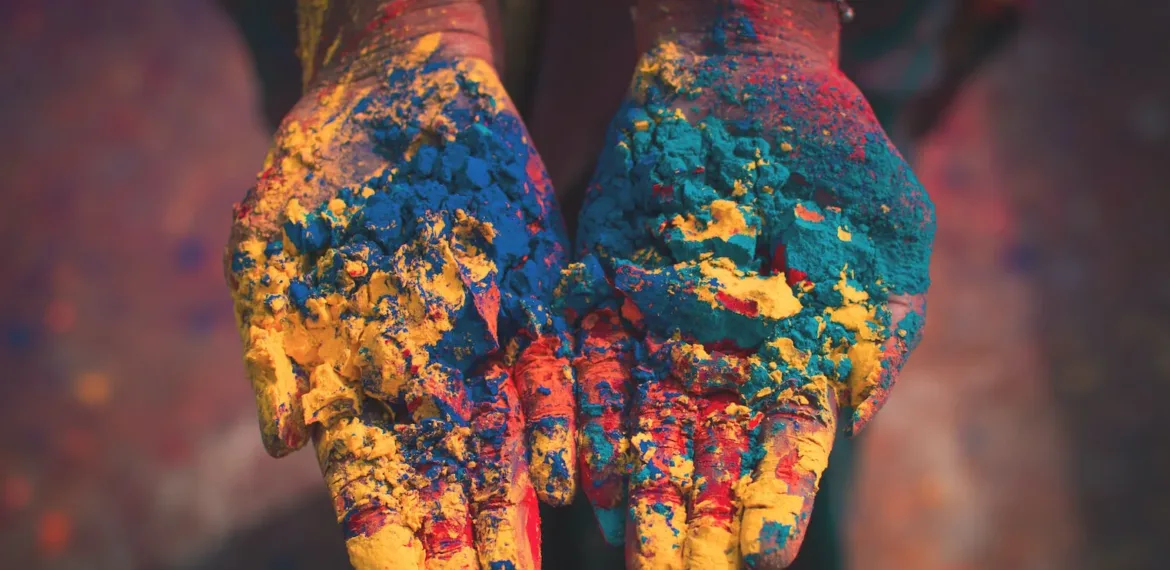
“Discover the beauty of Japan’s rich culture through its traditions, customs, language, and etiquette for a truly immersive travel experience.”
Related
All related contents.
Related Posts

Experience the Ultimate Winter Wonderland: Ski, Savor, and Celebrate at Niseko, Hokkaido, Japan’s Powder Paradise!

Discover the blend of tradition and modernity in Yokohama, Japan’s vibrant port city.

Embrace serenity and fortune: Fushimi Inari Shrine awaits in Kyoto’s ancient heart.

Discovering Japan: A Guide to the Land of the Rising Sun

Arashiyama Bamboo Grove: Kyoto’s Serene Gateway to a Magical Realm.

Unleash the adventure: Universal Studios Japan, Osaka – where movie magic and exhilarating rides collide.

Experience the fusion of tradition and modernity in Kobe, Japan.
Discover Serenity: Kyoto’s Kinkaku-ji Temple, a Golden Oasis in a Zen Garden Haven

Discover the beauty and flavors of Fukuoka, Japan’s vibrant city.

Uncover Japan’s Legacy at Osaka Castle: Where History, Gardens, and Mighty Walls Converge

Experience the Timeless Elegance of Kyoto’s Gion District: Geisha, Tea Houses, and Architectural Wonders Await.
Discover the beauty and history of Japan in Kyoto.
Discover the resilience and serenity of Hiroshima, a city of peace and beauty.
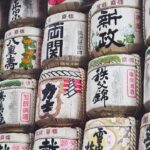
Embrace Serenity at Meiji Shrine: Tokyo’s Timeless Oasis Honoring Imperial Legacy

Unveil the Harmony of Art and Nature at Hakone Open-Air Museum: Spectacular Sculptures, Engaging Exhibits, and Captivating Vistas Await!

Experience the dynamic culture of Japan in Osaka – a city that never sleeps!

Discover the cultural treasures of Kanazawa, Japan’s well-preserved castle town.

Discover Japan’s Timeless Treasure: Shuri Castle in Okinawa – Unraveling the Ryukyu Kingdom’s Legacy!

Discover the vibrant fusion of old and new in Tokyo, Japan.

Ascend Tokyo Skytree: Japan’s Pinnacle of Innovation and Spectacle, Unveiling Tokyo’s Unrivaled Skyline.

Discover the vibrant culture and natural beauty of Sapporo, Japan’s northern gem.

Experience solemn reflection at Hiroshima Peace Memorial Park: honoring the past, embracing peace, and shaping a hopeful future.
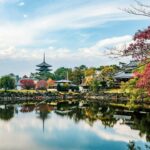
Discover the ancient treasures and playful deer of Japan’s first capital in Nara.

Embrace serenity and grandeur at Todai-ji Temple, Nara – Home to the colossal bronze Buddha and a testament to Japan’s UNESCO World Heritage legacy.

Discover Timeless Tranquility: Senso-ji Temple, Tokyo’s Ancient Treasure in Japan’s Vibrant Heart