ROAMOPEDIA
Japan's Climate
Japan’s Climate: A Year-Round Guide for Travelers
cactus under cloudy sky during daytime
Japan’s climate varies by region, but generally has four distinct seasons. Spring and autumn are ideal for sightseeing, while summer offers beach fun and winter brings snow sports. Pack accordingly!

Japan’s Climate: A Year-Round Guide for Travelers

Japan’s Climate: A Year-Round Guide for Travelers

Japan is a country that is known for its unique culture, delicious cuisine, and stunning natural beauty. However, when planning a trip to Japan, it is important to consider the country’s climate. Japan’s climate varies greatly depending on the region and time of year, so it is important to know what to expect before packing your bags and heading out on your adventure.

Spring (March to May)

Spring is a popular time to visit Japan, as the cherry blossoms are in full bloom and the weather is mild. However, it is important to note that spring weather can be unpredictable, with sudden rain showers and temperature fluctuations. In March, the weather is still quite chilly, especially in the northern regions of Japan. As the month progresses, temperatures begin to rise, and by April, the cherry blossoms are in full bloom. May is a great time to visit Japan, as the weather is warm and sunny, and the crowds are not as large as they are during peak cherry blossom season.

Summer (June to August)

Summer in Japan is hot and humid, with temperatures often reaching 30°C or higher. The southern regions of Japan, such as Okinawa, can be particularly hot and humid during this time. However, summer is also a great time to visit Japan if you enjoy outdoor activities such as hiking, swimming, and festivals. The beaches of Okinawa are a popular destination for both locals and tourists, and many festivals take place throughout the country during the summer months.

Fall (September to November)

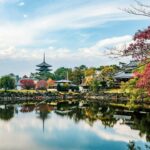
Fall is a beautiful time to visit Japan, as the leaves change color and the weather is mild. September can still be quite warm, but by October, temperatures begin to cool down, making it a great time to explore the outdoors. November is a popular time to visit Japan, as the autumn foliage is at its peak. However, it is important to note that November can also be quite chilly, especially in the northern regions of Japan.

Winter (December to February)

Winter in Japan can be quite cold, with temperatures often dropping below freezing. However, it is also a beautiful time to visit Japan, as many regions are covered in snow. Skiing and snowboarding are popular activities during the winter months, and there are many ski resorts throughout the country. It is important to pack warm clothing if you plan to visit Japan during the winter, as temperatures can be quite harsh.

Best Time to Visit

The best time to visit Japan depends on your personal preferences and what you want to do during your trip. If you want to see the cherry blossoms, then spring is the best time to visit. However, if you want to avoid the crowds and enjoy mild weather, then May or November may be a better option. If you enjoy outdoor activities such as hiking and swimming, then summer is the best time to visit. If you want to experience winter sports such as skiing and snowboarding, then winter is the best time to visit.

What to Pack

What you pack for your trip to Japan will depend on the time of year you plan to visit. If you plan to visit during the spring or fall, it is important to pack layers, as the weather can be unpredictable. A light jacket or sweater is also recommended, as temperatures can drop in the evenings. If you plan to visit during the summer, it is important to pack light, breathable clothing, as the weather can be hot and humid. Sunscreen and a hat are also recommended, as the sun can be quite strong. If you plan to visit during the winter, it is important to pack warm clothing, including a heavy coat, gloves, and a hat.

Activities to Plan For

The activities you plan for your trip to Japan will depend on the time of year you plan to visit. If you plan to visit during the spring, then seeing the cherry blossoms should be at the top of your list. Many parks and gardens throughout Japan have cherry blossom trees, and there are even cherry blossom festivals in some cities. If you plan to visit during the summer, then swimming, hiking, and attending festivals should be on your list of activities. If you plan to visit during the fall, then hiking and enjoying the autumn foliage should be on your list of activities. If you plan to visit during the winter, then skiing and snowboarding should be at the top of your list.

In conclusion, Japan’s climate varies greatly depending on the region and time of year. Spring is a popular time to visit Japan, as the cherry blossoms are in full bloom and the weather is mild. Summer is hot and humid, but it is also a great time to enjoy outdoor activities and festivals. Fall is a beautiful time to visit Japan, as the leaves change color and the weather is mild. Winter can be quite cold, but it is also a great time to enjoy winter sports such as skiing and snowboarding. When packing for your trip to Japan, it is important to consider the time of year and pack accordingly. Finally, the activities you plan for your trip will depend on the time of year you plan to visit, so be sure to research and plan accordingly.

  • Print
  • +-
    Font Size