Navigating Japan’s transportation options.
Japan offers a variety of transportation options, including an extensive public transportation system, car rentals, and ride-sharing services. With efficient trains, buses, and subways, getting around Japan’s cities is easy and affordable. Taxis are also readily available, but can be expensive. For those looking to explore the countryside, renting a car is a feasible option, but be aware of the country’s strict driving laws and regulations.

Related
All related contents.
Related Posts

Embrace serenity and fortune: Fushimi Inari Shrine awaits in Kyoto’s ancient heart.

Discover Timeless Tranquility: Senso-ji Temple, Tokyo’s Ancient Treasure in Japan’s Vibrant Heart

Discover Japan’s Timeless Treasure: Shuri Castle in Okinawa – Unraveling the Ryukyu Kingdom’s Legacy!

Unveil the Harmony of Art and Nature at Hakone Open-Air Museum: Spectacular Sculptures, Engaging Exhibits, and Captivating Vistas Await!
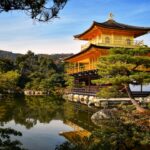
Discover Serenity: Kyoto’s Kinkaku-ji Temple, a Golden Oasis in a Zen Garden Haven

Experience the Timeless Elegance of Kyoto’s Gion District: Geisha, Tea Houses, and Architectural Wonders Await.

Embrace serenity and grandeur at Todai-ji Temple, Nara – Home to the colossal bronze Buddha and a testament to Japan’s UNESCO World Heritage legacy.

Unleash the adventure: Universal Studios Japan, Osaka – where movie magic and exhilarating rides collide.

Discover the vibrant fusion of old and new in Tokyo, Japan.

Experience the fusion of tradition and modernity in Kobe, Japan.

Discover the blend of tradition and modernity in Yokohama, Japan’s vibrant port city.

Experience the Ultimate Winter Wonderland: Ski, Savor, and Celebrate at Niseko, Hokkaido, Japan’s Powder Paradise!

Discover the vibrant culture and natural beauty of Sapporo, Japan’s northern gem.
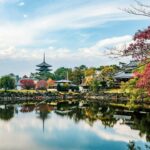
Discover the ancient treasures and playful deer of Japan’s first capital in Nara.
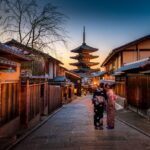
Discover the beauty and history of Japan in Kyoto.

Experience solemn reflection at Hiroshima Peace Memorial Park: honoring the past, embracing peace, and shaping a hopeful future.

Uncover Japan’s Legacy at Osaka Castle: Where History, Gardens, and Mighty Walls Converge

Arashiyama Bamboo Grove: Kyoto’s Serene Gateway to a Magical Realm.

Tokyo Disneyland: Where East Meets West for Unforgettable Magic and Adventure!

Discover the beauty and flavors of Fukuoka, Japan’s vibrant city.

Discover the cultural treasures of Kanazawa, Japan’s well-preserved castle town.

Discovering Japan: A Guide to the Land of the Rising Sun
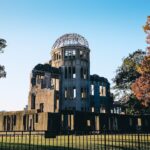
Discover the resilience and serenity of Hiroshima, a city of peace and beauty.

Ascend Tokyo Skytree: Japan’s Pinnacle of Innovation and Spectacle, Unveiling Tokyo’s Unrivaled Skyline.
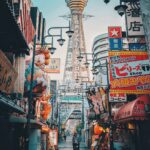
Experience the dynamic culture of Japan in Osaka – a city that never sleeps!