Discover Serenity: Kyoto’s Kinkaku-ji Temple, a Golden Oasis in a Zen Garden Haven
“Discover Serenity: Kyoto’s Kinkaku-ji Temple, a Golden Oasis in a Zen Garden Haven”
Marvel at Kinkaku-ji: Kyoto’s Golden Zen Temple
As you walk through the verdant pathways of Kyoto, the ancient imperial capital of Japan, a serene, golden vision emerges before your eyes: the Kinkaku-ji, a Zen temple that is home to the exquisite Golden Pavilion. The temple, formally known as Rokuon-ji, or Deer Garden Temple, is an architectural marvel that has captivated the hearts and minds of visitors from across the globe for centuries. When you visit this otherworldly site, you’ll be transported to a world where beauty, spirituality, and nature intertwine harmoniously.
The Kinkaku-ji temple is nestled within an exquisite garden landscape that perfectly embodies the Japanese concept of “borrowed scenery.” This architectural approach is designed to incorporate the natural beauty of the surrounding environment into the structure itself, creating a seamless connection between man-made creations and the pristine splendor of the outdoors. Here, the gently swaying branches of the surrounding trees, the gentle hum of insects, and the soft whispers of the wind add a deep sense of tranquility to the temple grounds.
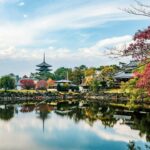
As you enter the garden, you’ll be greeted by the sight of the Kyoko-chi, or Mirror Pond, which reflects the shimmering golden hues of the pavilion. The pond is home to a variety of stones, thoughtfully arranged to represent islands of the Buddhist creation myth. They are both a symbol of the cosmic order and a reminder of the beauty and serenity that can be found in life’s simple, natural elements. As you gaze upon the pond and its glistening reflection, you’ll find yourself drawn into a meditative state, allowing you to fully appreciate the temple’s profound spiritual significance.
As your eyes wander across the landscape, they will inevitably be drawn toward the Golden Pavilion itself, an awe-inspiring structure that seems to glow with an otherworldly light. The pavilion is a three-story building, each story reflecting a unique architectural style. The first floor, known as the Chamber of Dharma Waters, is built in the Shinden style, which was popular during the Heian period (794-1185). The second floor, called the Tower of Sound Waves, showcases the Bukke style, typically seen in samurai residences. Finally, the third floor, which houses a small shrine, is designed in the Chinese-influenced Zen style, reminiscent of the Song dynasty. This harmonious blending of styles is a testament to the Japanese ability to adapt and incorporate various cultural influences into their own unique aesthetic.
The most striking feature of the Kinkaku-ji is undoubtedly its glittering, golden exterior. The top two floors of the pavilion are adorned with pure gold leaf, giving the structure its iconic radiance. The gold is not only a symbol of opulence and splendor but also serves a spiritual purpose. In Japanese culture, gold is often associated with purity and enlightenment, and its use in the temple is meant to inspire visitors to seek their own path to spiritual growth. As the sunlight dances on the golden surface, the pavilion seems to come alive, imbuing the entire landscape with a sense of otherworldly beauty and serenity.
The history of the Kinkaku-ji is as rich and complex as its architectural design. The pavilion was originally constructed in 1397 as a retirement villa for Shogun Ashikaga Yoshimitsu, who was known for his love of art and architecture. After his death, the villa was converted into a Zen temple, as per his wishes. Over the centuries, the temple has faced numerous challenges, including natural disasters and war, but it has always been lovingly restored and maintained. Its resilience is a testament to the enduring influence and significance of this architectural masterpiece.
During your visit to the Kinkaku-ji, you’ll also have the opportunity to explore the temple’s many other treasures. For instance, the Sekka-tei tea house, constructed during the Edo period, offers a glimpse into the traditional Japanese art of tea ceremony, which is deeply connected to Zen Buddhism and the pursuit of inner peace. The tea house is a rustic yet elegant space, adorned with sliding paper doors, tatami mats, and exposed wooden beams. Here, you can savor a cup of frothy, green matcha tea, accompanied by a delicate Japanese sweet, while contemplating the beauty of the surrounding garden.
Another notable feature of the temple grounds is the Anmintaku Pond, said to never dry up, and its small stone pagoda, which is believed to grant wishes. The pond is located near the head priest’s former living quarters, a testament to the importance of water in Japanese culture and spirituality. As you stroll through the garden, you’ll also come across a variety of stone statues and monuments, each with its own unique history and symbolism.
One such statue is the Fudo Myo-o, a fierce-looking Buddhist deity believed to protect the faithful from harm. This stone figure, with its sword raised high and a stern expression on its face, is said to bring good fortune to those who pour water over its head. Whether you choose to participate in this ritual or simply observe, you’ll find that the statue serves as a powerful reminder of the temple’s deep spiritual roots.
As you leave the Kinkaku-ji temple and its enchanting gardens, you’ll carry with you a newfound appreciation for the beauty, history, and spirituality that permeate this unforgettable site. The Golden Pavilion, with its shimmering reflection in the tranquil pond, serves as a beacon of serenity and enlightenment in a chaotic world. It is a place that invites visitors to slow down, breathe deeply, and marvel at the wonders of nature and human creativity. Indeed, the Kinkaku-ji is not just a destination – it is an experience, one that will stay with you long after you’ve left its hallowed grounds.