ROAMOPEDIA
Gion District
Experience the Timeless Elegance of Kyoto’s Gion District: Geisha, Tea Houses, and Architectural Wonders Await.
“Experience the Timeless Elegance of Kyoto’s Gion District: Geisha, Tea Houses, and Architectural Wonders Await.”

Exploring Japan: Kyoto’s Gion District and Its Rich Cultural Heritage

Immerse yourself in the traditional Japanese culture of Kyoto’s Gion District, famous for its geisha, tea houses, and historic architecture. Located in the heart of Kyoto, Gion is a picturesque neighborhood that perfectly encapsulates the essence of Japan’s cultural and historical past. The district is renowned for its well-preserved architecture and streets, which hark back to Japan’s feudal era, as well as its thriving geisha culture, which continues to flourish to this day.

As you wander through the narrow, cobblestone streets of Gion, it’s easy to feel as though you’ve stepped back in time. The district is home to a plethora of traditional wooden buildings, known as machiya, which once served as the residences and workplaces of Kyoto’s merchant class. Today, many of these beautifully preserved structures have been repurposed as cafes, restaurants, and shops, where visitors can sample local delicacies and purchase traditional handicrafts.

One of the most iconic sights in Gion is its rows of traditional tea houses, or ochaya, which are a key part of the district’s geisha culture. These exclusive establishments offer guests the opportunity to enjoy exquisite Japanese cuisine and entertainment provided by geisha, who are highly trained in traditional arts such as dance, music, and conversation. While gaining entry to an ochaya can be difficult without an introduction from a regular patron, there are several establishments in Gion that offer more accessible geisha experiences, such as performances and private dinners, for tourists.

The geisha, or geiko as they are known in Kyoto, are an integral part of Gion’s cultural fabric. These highly skilled women spend years training in traditional arts, and their performances are renowned for their grace and beauty. Visitors to Gion can often spot geiko and their apprentices, known as maiko, as they make their way to and from engagements at tea houses and other venues. Dressed in exquisite kimono and wearing their distinctive makeup, these women are a living embodiment of Japan’s cultural heritage.

In addition to its geisha culture, Gion is also home to several important religious and historical sites. Among these is the Yasaka Shrine, which dates back over a thousand years and is one of Kyoto’s most famous Shinto shrines. The shrine is particularly popular during the annual Gion Matsuri, one of Japan’s largest and most famous festivals. Held every July, the Gion Matsuri is a month-long celebration featuring processions, performances, and the opportunity to experience traditional Japanese culture up close.

Another important site in Gion is the Kennin-ji Temple, the oldest Zen temple in Kyoto. Founded in 1202, the temple is a peaceful oasis in the heart of the bustling district, offering visitors a chance to experience the tranquility and beauty of a traditional Japanese garden. The temple is also home to several important cultural treasures, including a famous painting of a dragon on the ceiling of the main hall and a dry landscape garden designed by renowned landscape architect Kinsaku Nakane.

For those looking to experience traditional Japanese performing arts, Gion is home to several theaters, including the Gion Corner and the Minamiza Theater. At the Gion Corner, visitors can enjoy a one-hour performance featuring a variety of traditional arts, such as tea ceremony, flower arrangement, puppet theater, and dance. Meanwhile, the Minamiza Theater is one of the oldest kabuki theaters in Japan and offers the opportunity to watch this unique and highly stylized form of theater, which combines drama, dance, and music.

Shopping is another popular pastime in Gion, with the district offering a wide variety of stores selling everything from traditional handicrafts to modern fashion. The Hanamikoji Street, in particular, is a popular destination for shoppers, featuring a mix of high-end boutiques, souvenir shops, and traditional sweet shops. Additionally, the nearby Shijo Street and Teramachi Street offer a more extensive range of shops, including those selling kimonos, ceramics, and other traditional Japanese items.

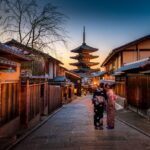
As evening falls in Gion, the district comes alive with the soft glow of lanterns and the sound of laughter emanating from the many bars and restaurants that line its streets. Dining in Gion is an experience not to be missed, with the neighborhood offering a wide variety of culinary delights, ranging from traditional kaiseki cuisine to more casual izakaya fare. Many of the district’s restaurants are housed in beautifully preserved machiya, providing a unique and atmospheric backdrop for a memorable meal.

One of the best ways to fully appreciate the beauty and charm of Gion is to simply wander its streets and alleys, allowing yourself to soak in the atmosphere and discover hidden gems at your own pace. The district is particularly enchanting in the evening, when the warm glow of lanterns casts a magical light on the traditional wooden buildings and the sound of geisha’s music drifts through the air.

In conclusion, the Gion District is a must-visit destination for anyone looking to experience traditional Japanese culture in all its splendor. With its rich history, stunning architecture, and thriving geisha culture, Gion offers visitors a unique and unforgettable glimpse into Japan’s past. Whether you’re strolling through its picturesque streets, taking in a traditional performance, or simply enjoying a cup of tea in an historic tea house, Gion is a place where the beauty and allure of old Japan continue to captivate and enchant. So, make sure to add this enchanting neighborhood to your Kyoto itinerary and immerse yourself in the traditional Japanese culture that Gion has to offer.

  • Print
  • +-
    Font Size